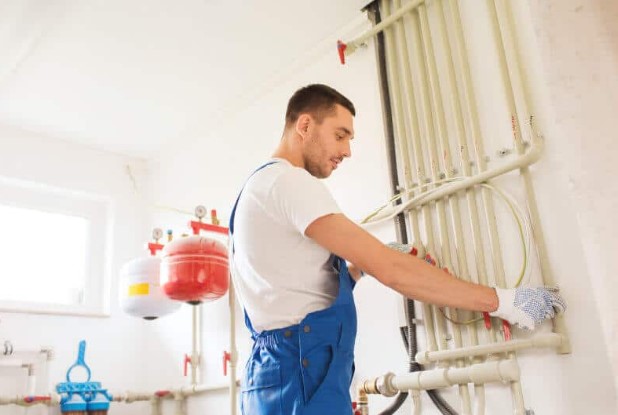
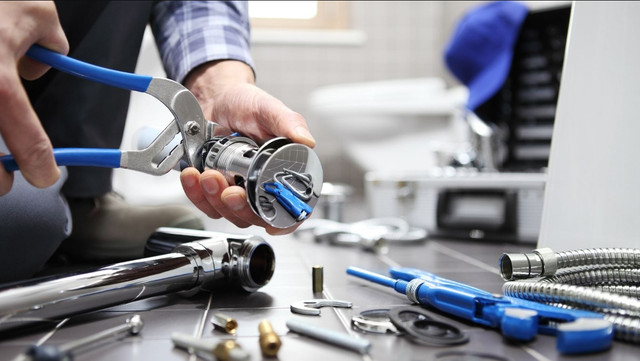
Whether you are fixing a leaking faucet, installing a new sink, or repairing damaged pipes, having the right plumbing tools makes every task easier, faster, and safer. Plumbing work requires accuracy, and using the correct equipment helps prevent costly mistakes while improving the quality of repairs. From simple household maintenance to large commercial installations, reliable tools are an investment that saves both time and money. Beginners often believe plumbing requires only a wrench, but modern plumbing projects involve various specialized tools designed for cutting, tightening, measuring, cleaning, and testing pipes. Understanding the purpose of each tool allows users to work more efficiently and confidently. This guide explores the essential tools used by plumbers, explains their functions, offers maintenance advice, and provides tips for selecting the best equipment for your needs. Whether you are a DIY enthusiast or an experienced professional, learning about the right plumbing equipment can significantly improve your results and ensure long-lasting repairs.
Why Quality Plumbing Tools Matter
Using high-quality plumbing tools is essential because they improve efficiency, accuracy, and safety. Cheap or poorly made tools often wear out quickly, slip during use, or damage plumbing fixtures. Professional-grade equipment provides better grip, stronger materials, and longer durability, reducing the likelihood of mistakes during installation or repair. Quality tools also help users complete projects faster while producing cleaner, more reliable results.
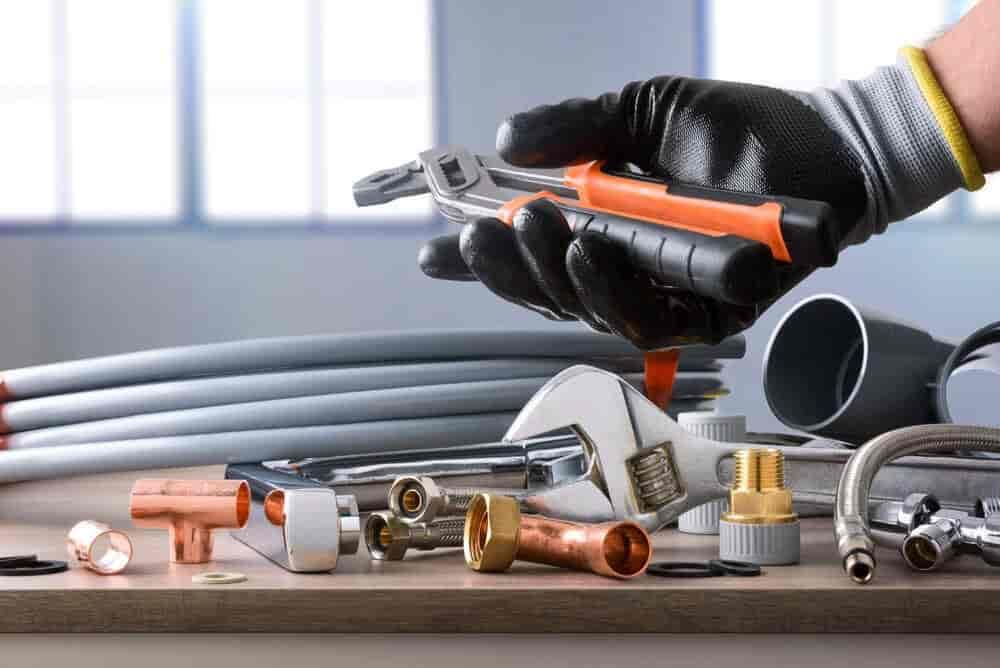
Another major advantage is cost savings over time. While premium tools may have a higher initial price, they last significantly longer and require fewer replacements. Reliable equipment also minimizes accidental damage to expensive pipes, valves, and fixtures. Whether repairing residential plumbing or working on commercial systems, investing in dependable tools ensures smoother operations and greater confidence throughout every project.
Essential Plumbing Tools Every Plumber Should Own
Every plumbing professional relies on a collection of basic equipment that handles most everyday repairs and installations. These essential items are versatile and suitable for various plumbing tasks.
Some of the most commonly used tools include:
- Pipe wrench
- Adjustable wrench
- Basin wrench
- Tongue-and-groove pliers
- Pipe cutter
- Plumber’s tape
- Plunger
- Drain snake
- Hacksaw
- Measuring tape
- Pipe reamer
- Screwdriver set
- Utility knife
- Flashlight
- Safety gloves and goggles
Together, these tools cover pipe installation, leak repairs, drain cleaning, fixture replacement, and general maintenance. Building a complete toolkit ensures that plumbers can handle unexpected challenges without unnecessary delays.
Understanding the Uses of Common Plumbing Tools
Different plumbing jobs require different equipment, making it important to understand how each tool functions. A pipe wrench provides excellent grip for tightening or loosening threaded pipes, while an adjustable wrench handles nuts and bolts of different sizes. Basin wrenches are specifically designed for reaching difficult faucet nuts located beneath sinks.
Drain snakes help clear stubborn blockages that plungers cannot remove, while pipe cutters create clean and accurate cuts without crushing pipes. Measuring tapes ensure precise dimensions before cutting or installing new plumbing systems. Utility knives trim insulation and remove old sealants, while plumber’s tape creates watertight threaded connections. Understanding these functions allows both homeowners and professionals to complete repairs more efficiently while reducing the risk of damaging plumbing components.
Table: Common Plumbing Tools and Their Primary Uses
| Tool | Primary Use | Best For |
|---|---|---|
| Pipe Wrench | Tightening and loosening pipes | Metal pipes |
| Adjustable Wrench | Nuts and bolts | General repairs |
| Basin Wrench | Faucet installation | Under-sink work |
| Pipe Cutter | Cutting pipes | Copper and plastic pipes |
| Drain Snake | Removing clogs | Blocked drains |
| Plunger | Clearing simple blockages | Toilets and sinks |
| Hacksaw | Cutting metal and plastic | Pipe removal |
| Measuring Tape | Accurate measurements | Installation projects |
How to Choose the Right Plumbing Tools
Selecting the right plumbing tools depends on the type of work you perform. Homeowners handling occasional repairs can start with a basic toolkit containing adjustable wrenches, plungers, pipe cutters, screwdrivers, and plumber’s tape. These tools are sufficient for most household maintenance jobs.
Professional plumbers, however, require specialized equipment capable of handling complex installations and repairs. Durability, ergonomic design, corrosion resistance, and manufacturer reputation should all be considered before purchasing tools. Stainless steel and chrome-plated equipment typically offer excellent longevity. Comfortable handles also reduce hand fatigue during extended work sessions. Investing in quality tools improves work efficiency while ensuring consistent performance across a wide variety of plumbing applications.
Maintenance Tips for Plumbing Equipment
Proper maintenance extends the life of every plumbing tool and ensures consistent performance. After each use, wipe away dirt, grease, moisture, and debris before storing equipment in a clean, dry toolbox. Moisture left on metal tools can cause rust, reducing both appearance and functionality.
Moving parts should be lubricated periodically to prevent stiffness and maintain smooth operation. Cutting blades should remain sharp because dull tools require more force and produce poor-quality results. Damaged handles or worn gripping surfaces should be repaired or replaced immediately for safety reasons. Organizing tools properly also prevents accidental damage and makes equipment easier to locate during emergencies. Regular inspection helps identify problems early before they affect job performance.
Safety Tips When Using Plumbing Tools
Safety should always be a priority during plumbing work. Before beginning any repair, shut off the water supply and verify that pressure has been released from the system. Wearing protective gloves and safety glasses helps prevent injuries from sharp edges, flying debris, or chemical cleaners.
Additional safety practices include:
- Inspect tools before each use.
- Use the correct tool for every task.
- Keep your workspace dry and organized.
- Avoid excessive force when tightening fittings.
- Replace damaged tools immediately.
- Store sharp tools securely after use.
Following these precautions protects both the user and the plumbing system while reducing the chances of accidents or costly mistakes.
Professional vs DIY Plumbing Tool Kits
Many homeowners wonder whether they need professional-grade equipment or a simple DIY toolkit. The answer depends on the complexity and frequency of plumbing work. DIY kits are ideal for routine maintenance, minor leak repairs, unclogging drains, and replacing faucets. They are affordable, compact, and easy to use.

Professional toolkits contain advanced equipment designed for heavy-duty applications. These kits may include specialized pipe threading tools, inspection cameras, pressure testing devices, powered drain cleaning machines, and precision cutting equipment. Professionals benefit from faster completion times and greater versatility when handling large-scale plumbing projects. Choosing the appropriate toolkit ensures that users have the necessary equipment without overspending on tools they may never use.
Mistakes to Avoid When Buying Plumbing Tools
Purchasing tools without proper research often leads to disappointment. One common mistake is focusing only on price rather than quality. Extremely inexpensive tools frequently wear out quickly and may damage plumbing components during use.
Another mistake is buying unnecessary specialty equipment before mastering basic repairs. Beginners should first build a foundation using versatile tools capable of handling multiple tasks. Ignoring comfort is another common issue because uncomfortable handles can cause fatigue during extended projects. Finally, failing to consider storage options often results in damaged or misplaced equipment. Planning purchases carefully helps create a practical and efficient toolkit that grows alongside your skills.
Future Trends in Plumbing Tools
Modern plumbing technology continues to evolve with innovative equipment designed to improve speed, precision, and safety. Battery-powered pipe cutters, digital leak detectors, thermal imaging devices, and inspection cameras have become increasingly common among professional plumbers. These advanced tools reduce labor while identifying hidden problems more accurately.
Manufacturers are also focusing on lightweight materials and ergonomic designs that reduce physical strain during long workdays. Smart diagnostic equipment can detect leaks inside walls without destructive demolition, saving both time and repair costs. As technology advances, plumbing professionals will continue benefiting from tools that deliver higher efficiency, improved accuracy, and better overall customer satisfaction.
Conclusion
Having the right plumbing tools is essential for completing plumbing projects safely, efficiently, and professionally. From simple household repairs to complex commercial installations, each tool serves a specific purpose that contributes to better workmanship and long-lasting results. Investing in quality equipment, maintaining it properly, and following safe working practices ensures reliable performance for years to come. Whether you are a homeowner building your first toolkit or an experienced plumber expanding your collection, understanding the functions and benefits of different tools helps you work with greater confidence. By selecting dependable equipment and learning how to use it correctly, every plumbing project becomes more manageable, cost-effective, and successful.