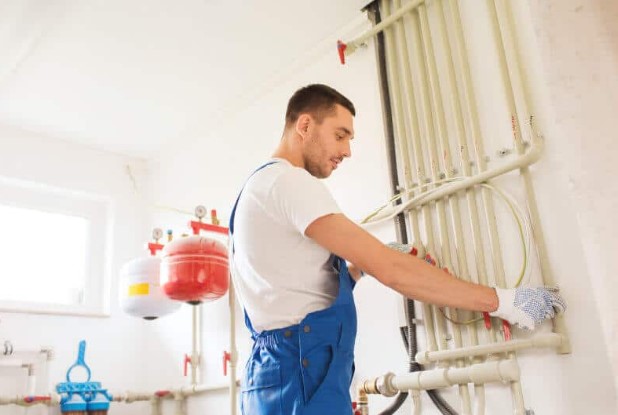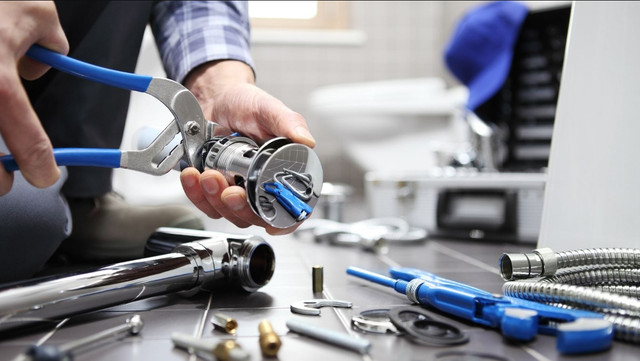
Modern homes and commercial buildings rely on efficient plumbing systems to deliver clean water and remove wastewater safely. Quality plumbing work ensures that kitchens, bathrooms, laundry rooms, and outdoor water systems function without interruption. Whether you are building a new home, renovating an existing property, or fixing leaks, understanding the basics of plumbing can help you make informed decisions.
Professional plumbing involves much more than repairing dripping faucets. It includes designing water supply systems, installing drainage lines, fitting water heaters, repairing pipelines, maintaining fixtures, and ensuring compliance with local building codes. Proper installation and regular maintenance improve water efficiency, reduce repair costs, and extend the life of the entire plumbing system. In this comprehensive guide, you will learn about different types of plumbing services, materials, maintenance practices, common problems, and practical tips that help homeowners and businesses maintain reliable plumbing systems.
What Is Plumbing Work?
Plumbing work refers to the installation, repair, maintenance, and replacement of water supply systems, drainage systems, gas lines in some regions, and plumbing fixtures. These systems are responsible for transporting clean water into a building and safely removing wastewater.
Professional plumbers use specialized tools and techniques to ensure proper water flow, prevent leaks, and maintain system efficiency. Plumbing projects can range from replacing a faucet washer to installing complete piping networks in residential, commercial, and industrial buildings.

The scope of plumbing includes both visible fixtures and hidden infrastructure behind walls, beneath floors, and underground. Proper planning and installation reduce future maintenance costs while improving water conservation. High-quality plumbing systems also contribute to better hygiene, healthier living conditions, and increased property value. Whether the project is small or large, following industry standards ensures durability and long-term performance.
Why Quality Plumbing Matters
A properly installed plumbing system offers far more benefits than simply supplying water. It contributes to the safety, comfort, and efficiency of any property. Poor installation often results in water damage, mold growth, high utility bills, and expensive repairs.
Some major benefits of quality plumbing include:
- Reliable water supply
- Efficient wastewater removal
- Lower water bills
- Reduced risk of leaks
- Improved sanitation
- Increased property value
- Longer lifespan of plumbing fixtures
- Better water conservation
Investing in professional workmanship helps homeowners avoid recurring maintenance issues. Properly sealed joints, durable materials, and accurate pipe sizing significantly improve system reliability. Regular inspections also help identify hidden problems before they become costly emergencies.
Common Types of Plumbing Services
Professional plumbers provide a wide range of services depending on the property’s needs. Residential, commercial, and industrial plumbing projects require different skills and equipment.
New Plumbing Installation
New construction projects require complete plumbing system installation, including water supply pipes, drainage systems, vent pipes, fixtures, and water heaters. Proper planning during construction ensures smooth water flow and easier maintenance in the future.
Leak Detection and Repair
Leaks are among the most common plumbing issues. Even small leaks waste significant amounts of water over time and may damage walls, ceilings, and flooring. Professional plumbers use advanced tools to identify hidden leaks without causing unnecessary structural damage.
Drain Cleaning
Blocked drains slow water flow and may cause unpleasant odors. Drain cleaning removes grease, soap residue, food waste, hair, and other debris that accumulates inside pipes.
Fixture Installation
Plumbers install various fixtures including:
- Sinks
- Toilets
- Bathtubs
- Showers
- Kitchen faucets
- Bathroom faucets
- Water filters
- Garbage disposals
Proper fixture installation improves both functionality and aesthetics.
Water Heater Services
Water heaters require installation, maintenance, repair, and replacement. Regular servicing improves efficiency and extends equipment life while ensuring consistent hot water supply.
Essential Plumbing Components
Every plumbing system consists of several interconnected components that work together efficiently.
| Component | Purpose | Importance |
|---|---|---|
| Water Supply Pipes | Deliver clean water | Essential |
| Drain Pipes | Remove wastewater | Essential |
| Vent Pipes | Maintain airflow | Prevents pressure issues |
| Faucets | Control water flow | Daily use |
| Toilets | Waste disposal | Sanitation |
| Water Heater | Hot water supply | Comfort |
| Shut-off Valves | Stop water flow | Emergency control |
| Pipe Fittings | Connect pipelines | Leak prevention |
Each component must be installed correctly to ensure reliable operation and minimize maintenance requirements.
Popular Plumbing Pipe Materials
Modern plumbing systems use different pipe materials based on durability, cost, and application.
Copper Pipes
Copper pipes are durable, corrosion-resistant, and commonly used for water supply systems. They offer a long lifespan but are generally more expensive than other options.
PVC Pipes
PVC pipes are lightweight, affordable, and resistant to corrosion. They are commonly used for drainage and wastewater systems.
CPVC Pipes
CPVC is suitable for both hot and cold water systems due to its higher temperature resistance.
PEX Pipes
PEX piping has become increasingly popular because it is flexible, easy to install, resistant to freezing, and requires fewer fittings.
Cast Iron Pipes
Older buildings often contain cast iron drainage pipes. While extremely durable, they are heavier and more difficult to install than modern alternatives.
Choosing the appropriate material depends on building requirements, local regulations, budget, and environmental conditions.
Common Plumbing Problems
Every property experiences plumbing issues eventually. Recognizing common problems early helps prevent expensive repairs.
Typical plumbing issues include:
- Leaking faucets
- Burst pipes
- Running toilets
- Low water pressure
- Clogged drains
- Sewer line blockages
- Water heater failure
- Pipe corrosion
- Frozen pipes
- Dripping showerheads
Many of these problems begin as small issues but worsen if ignored. Routine inspections help detect early warning signs before major damage occurs.
How to Maintain Your Plumbing System
Preventive maintenance is the most effective way to extend the life of plumbing systems. Regular inspections reduce emergency repairs and improve efficiency.
Maintenance tips include:
- Check for visible leaks monthly.
- Clean drains regularly.
- Avoid pouring grease into sinks.
- Inspect water heaters annually.
- Replace worn washers promptly.
- Monitor water pressure.
- Test shut-off valves.
- Protect outdoor pipes from weather.
- Schedule professional inspections.
These simple practices reduce water waste while improving overall system performance. Preventive maintenance also minimizes unexpected repair costs over time.
Signs You Need Professional Plumbing Work
Although some minor repairs can be handled by homeowners, many situations require professional expertise.
Call a plumber if you notice:
- Persistent leaks
- Sewage odors
- Water stains on ceilings
- Low water pressure
- Repeated drain clogs
- Rust-colored water
- High water bills
- Water heater problems
- Burst pipes
- Mold growth near plumbing fixtures
Ignoring these warning signs often results in structural damage and higher repair expenses. Professional diagnosis ensures accurate repairs and long-lasting solutions.
Cost Factors for Plumbing Projects
The cost of plumbing projects varies depending on several important factors.
Major pricing factors include:
- Project size
- Pipe materials
- Labor costs
- Property location
- Accessibility
- Fixture quality
- Emergency service requirements
- Building age
- Permit fees
- System complexity
Obtaining detailed estimates before beginning work helps homeowners compare options and avoid unexpected expenses. Investing in quality materials often reduces long-term maintenance costs.
Tips for Choosing a Reliable Plumber
Selecting the right professional is essential for successful plumbing projects.
Look for the following qualities:
- Proper licensing
- Insurance coverage
- Industry experience
- Positive customer reviews
- Transparent pricing
- Written estimates
- Warranty on workmanship
- Emergency service availability
- Good communication
- Professional equipment
Experienced professionals complete projects safely while meeting building regulations and quality standards.
Future Trends in Plumbing
The plumbing industry continues to evolve with modern technology and sustainable practices. Smart plumbing systems now allow homeowners to monitor water usage through mobile applications. Leak detection sensors automatically shut off water during emergencies, preventing costly damage.

Water-saving fixtures, tankless water heaters, touchless faucets, greywater recycling systems, and energy-efficient appliances are becoming increasingly popular. Environmentally friendly materials and improved installation methods are also reducing waste while improving long-term performance.
As sustainability becomes more important, homeowners are investing in systems that conserve water and reduce energy consumption without sacrificing comfort. These innovations help lower utility bills while supporting environmentally responsible living.
Conclusion
Reliable plumbing work is one of the most important aspects of any residential or commercial property. From installing water supply lines to repairing leaks and maintaining drainage systems, professional plumbing ensures safe, efficient, and dependable operation every day. Regular inspections, preventive maintenance, quality materials, and skilled installation significantly reduce repair costs while extending the life of the plumbing system. Whether you are constructing a new building, remodeling your home, or upgrading aging infrastructure, investing in professional plumbing work delivers lasting value. By understanding plumbing components, selecting suitable materials, recognizing early warning signs, and following proper maintenance practices, property owners can enjoy efficient water systems for many years while avoiding unnecessary expenses and unexpected plumbing emergencies.
Read more: Luxury Apartments: The Complete Guide to Premium Urban Living