A well-planned roof design is one of the most important elements of any home. It protects the structure from weather, improves energy efficiency, and significantly enhances curb appeal. Whether you’re building a new house or renovating an existing one, selecting the right roof style can make a lasting difference in both appearance and functionality.
Modern homeowners have countless options, from traditional pitched roofs to sleek flat roofs and eco-friendly green roofing systems. The right choice depends on factors such as climate, budget, architectural style, maintenance requirements, and personal preferences. A thoughtfully designed roof not only increases property value but also ensures long-term durability and comfort.
This comprehensive guide explores different roof styles, materials, design considerations, maintenance tips, and current trends to help you make an informed decision for your dream home.
Why Roof Design Matters
The roof is more than just a protective covering; it is a major architectural feature that defines the overall appearance of a home. A carefully selected roof design complements the building’s structure while offering practical benefits such as insulation, ventilation, and weather resistance.
An efficient roof helps regulate indoor temperatures by reducing heat gain during summer and preventing heat loss during winter. This improves energy efficiency and lowers electricity bills. In areas with heavy rainfall or snowfall, the roof’s slope plays a crucial role in directing water away from the building, reducing the risk of leaks and structural damage.
Additionally, the roof contributes significantly to resale value. Buyers often consider roof quality, age, and appearance when evaluating a property. Investing in a durable and attractive roof today can provide long-term financial benefits while ensuring safety and comfort for years to come.
Popular Types of Roof Design
Different homes require different roofing styles based on climate, architectural design, and available space. Understanding the most common roof types helps homeowners choose wisely.
Gable Roof
The gable roof is among the most popular choices worldwide. It features two sloping sides that meet at a central ridge, forming a triangular shape. This design efficiently sheds rainwater and snow while providing excellent attic ventilation.
Hip Roof
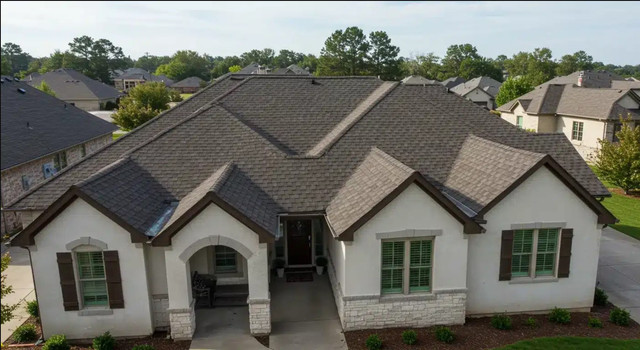
A hip roof slopes downward on all four sides, offering superior stability and wind resistance. It is commonly used in regions prone to storms and strong winds.
Flat Roof
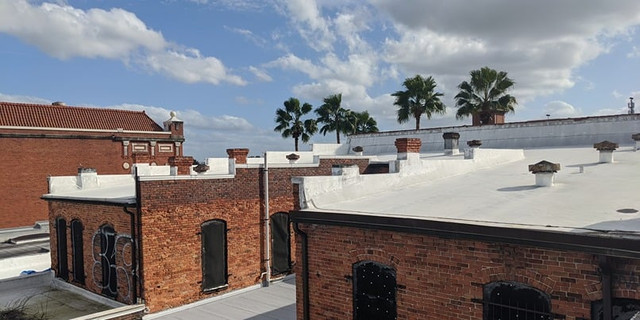
Flat roofs are increasingly popular in modern architecture. Although they have a slight slope for drainage, they provide usable rooftop space for gardens, solar panels, or outdoor seating areas.
Mansard Roof
Originating in France, the mansard roof features four sides with dual slopes. It maximizes interior living space and creates opportunities for attic conversions.
Butterfly Roof
The butterfly roof has two roof sections sloping inward toward the center. It offers a unique modern appearance while collecting rainwater efficiently.
Each style provides unique advantages depending on your home’s location, design goals, and maintenance expectations.
Choosing the Right Roofing Material
The material you choose has a direct impact on durability, appearance, maintenance, and overall cost. Selecting high-quality materials ensures better long-term performance.
Common roofing materials include:
- Asphalt shingles for affordability and versatility.
- Clay tiles for traditional elegance and durability.
- Concrete tiles for strength and longevity.
- Metal roofing for excellent weather resistance.
- Slate roofing for luxury and exceptional lifespan.
- Wood shingles for natural beauty.
- Composite roofing for low maintenance.
Each material varies in lifespan, insulation performance, installation costs, and maintenance needs. Homeowners should balance aesthetics with practical considerations before making a final decision.
Roof Design Comparison Table
| Roof Type | Best For | Advantages | Considerations |
|---|---|---|---|
| Gable Roof | Most residential homes | Excellent drainage, affordable | Less wind resistant |
| Hip Roof | Windy regions | Stable and durable | Higher construction cost |
| Flat Roof | Modern homes | Usable rooftop space | Requires proper drainage |
| Mansard Roof | Luxury homes | Extra living space | Complex construction |
| Butterfly Roof | Contemporary architecture | Rainwater collection | Higher design complexity |
This comparison highlights how different roof styles suit varying architectural and environmental needs.
Factors to Consider Before Finalizing a Roof Design
Selecting the ideal roof requires more than simply choosing an attractive style. Multiple practical considerations influence long-term satisfaction.
Climate is perhaps the most important factor. Areas with frequent rainfall require steeper roofs for efficient water drainage, while dry regions can accommodate flatter designs. Snow-prone areas benefit from roofs that prevent snow accumulation.

Budget also plays a significant role. Initial construction costs should be balanced against maintenance expenses and expected lifespan. Investing slightly more in premium materials may reduce repair costs over several decades.
Local building regulations and homeowner association guidelines may restrict certain roof styles or materials. Consulting professionals ensures compliance with applicable codes.
Energy efficiency is another growing priority. Reflective roofing materials, proper insulation, and adequate ventilation help maintain comfortable indoor temperatures while reducing utility bills. Homeowners planning solar panel installation should also consider roof orientation and available surface area.
Modern Roof Design Trends
Homeowners increasingly seek roofing solutions that combine aesthetics with sustainability. Today’s roofing trends focus on both visual appeal and environmental responsibility.
Minimalist architectural designs often feature clean rooflines with hidden drainage systems, creating a sleek contemporary appearance. Flat and low-slope roofs continue gaining popularity in urban environments.
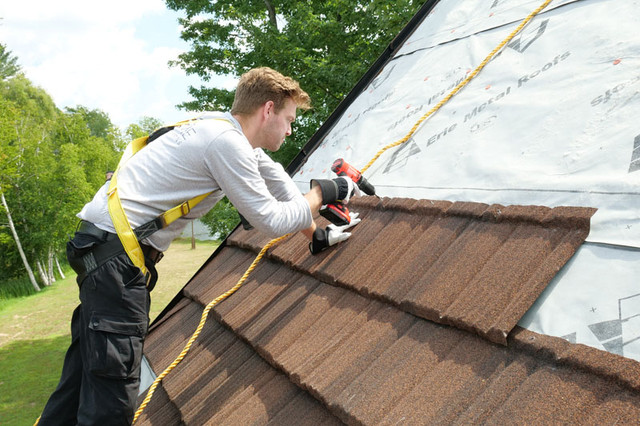
Metal roofing has become increasingly fashionable due to its durability, modern look, and recyclability. Available in numerous colors and finishes, metal roofs complement both traditional and modern homes.
Green roofs, covered with vegetation, improve insulation while reducing urban heat. Although installation costs are higher, they contribute positively to environmental sustainability.
Solar-integrated roofing systems are another growing trend. Instead of mounting panels above the roof, solar shingles blend seamlessly into the roofing structure while generating renewable electricity.
Natural earth-tone colors remain popular, helping homes blend beautifully with surrounding landscapes while maintaining timeless appeal.
Benefits of a Well-Planned Roof Design
A carefully planned roof design provides far more than visual appeal. It delivers practical advantages that improve the home’s performance and value.
Major benefits include:
- Better protection against harsh weather.
- Improved energy efficiency.
- Enhanced property value.
- Reduced maintenance expenses.
- Longer structural lifespan.
- Improved ventilation.
- Greater architectural appeal.
- Better rainwater drainage.
- Increased indoor comfort.
- Stronger resistance to wind damage.
These benefits demonstrate why roofing should never be treated as an afterthought during home construction or renovation.
Common Roof Design Mistakes to Avoid
Even beautiful roofs can develop costly problems if poorly planned. Avoiding common mistakes saves both money and future repairs.
One frequent mistake is selecting roofing materials unsuitable for the local climate. Lightweight materials may fail in storm-prone areas, while poorly insulated roofs increase cooling costs in hot climates.
Ignoring proper ventilation is another serious issue. Inadequate airflow can trap moisture, encourage mold growth, and shorten roofing lifespan.
Improper drainage often causes leaks, structural damage, and foundation problems. Flat roofs especially require carefully engineered drainage systems.
Many homeowners also underestimate maintenance requirements. Every roofing material requires periodic inspections and cleaning to maximize lifespan.
Finally, choosing appearance over durability can result in expensive replacements. Attractive roofing should always meet structural and environmental requirements first.
Roof Maintenance Tips
Proper maintenance significantly extends the life of any roof while preventing costly repairs.
Regular inspections should be conducted at least twice a year and after severe storms. Look for cracked tiles, loose shingles, rust, blocked gutters, or signs of water damage.
Keep gutters clean to ensure proper drainage and prevent standing water. Remove leaves, branches, and debris from the roof surface regularly.
Trim nearby tree branches to reduce falling debris and minimize damage during storms.
Address minor repairs immediately rather than waiting for problems to worsen. Small leaks can quickly become major structural issues if ignored.
Professional inspections every few years help identify hidden issues before they require expensive repairs or complete roof replacement.
Consistent maintenance protects your investment while ensuring your roof continues performing efficiently throughout its expected lifespan.
How to Select the Best Roof for Your Home
Choosing the ideal roofing solution involves balancing beauty, performance, and budget. Begin by evaluating your local climate, architectural style, and long-term maintenance expectations.
Consult experienced architects or roofing professionals during the planning stage. Their expertise helps identify suitable materials, roof slopes, ventilation systems, and drainage solutions that align with your home’s structure.
Think beyond immediate costs by considering total lifetime value. Durable roofing materials often provide better long-term savings through reduced maintenance and energy efficiency.
Future plans also matter. If you anticipate installing solar panels or expanding the home, select a roof structure that supports these additions without requiring major reconstruction.
Ultimately, the best roofing solution combines visual harmony with dependable performance for decades of reliable protection.
Conclusion
A thoughtfully planned roof design is one of the smartest investments homeowners can make. Beyond protecting the building from weather, the roof contributes significantly to energy efficiency, structural integrity, property value, and overall architectural beauty. With numerous styles, materials, and innovative technologies available today, every homeowner can find a roofing solution that matches both functional needs and personal taste. Carefully evaluate climate conditions, material durability, maintenance requirements, and long-term costs before making a final decision. Working with qualified professionals ensures proper installation and lasting performance. By selecting the right roofing system and maintaining it regularly, you can enjoy a safe, attractive, and energy-efficient home for many years to come.
Read more: Kitchen Remodel: The Complete Guide to Planning Your Dream Kitchen