Modern building owners are increasingly looking for roofing systems that offer durability, energy efficiency, and long-term value. Among the many options available, tpo roofing has emerged as one of the most popular choices for commercial properties and an increasing number of residential projects. Its ability to reflect heat, resist weather damage, and provide excellent performance has made it a preferred solution in today’s construction industry.
The growing emphasis on sustainability and reduced energy consumption has further increased the demand for advanced roofing materials. Property owners want systems that can withstand harsh weather while helping to lower utility costs. This is where tpo roofing stands out, offering a balance between affordability and performance.
As roofing technologies continue to evolve, contractors and architects are recommending materials that can meet current environmental standards without sacrificing reliability. Understanding the features, benefits, and installation considerations of this roofing system can help property owners make informed decisions for long-term protection.
Understanding TPO Roofing
Thermoplastic Polyolefin, commonly referred to as tpo roofing, is a single-ply membrane roofing material designed primarily for flat and low-slope roofs. Introduced several decades ago, it has become increasingly popular due to its flexibility, resistance to ultraviolet rays, and strong weatherproofing characteristics.
The membrane is generally manufactured using a blend of polypropylene and ethylene-propylene rubber. These materials provide strength and flexibility, enabling the roof to expand and contract during temperature fluctuations. Unlike traditional roofing systems that may require several layers, this membrane provides a streamlined and efficient solution that minimizes maintenance requirements.
Another reason for its popularity is its compatibility with modern construction practices. Whether used in retail buildings, warehouses, office complexes, or educational facilities, the system offers dependable protection while supporting energy-efficient building goals.
Why TPO Roofing Has Become Popular
In the current market, building owners are prioritizing roofing materials that deliver both economic and environmental advantages. Tpo roofing meets these expectations by combining durability with impressive energy performance.
Its white reflective surface helps reduce heat absorption during warmer months. This characteristic contributes to lower cooling expenses and creates more comfortable indoor environments. In regions with high temperatures, this reflective capability can make a noticeable difference in overall energy consumption.
Another factor driving adoption is cost efficiency. Compared to some alternative membrane systems, TPO provides a favorable balance between initial investment and long-term performance. This makes it particularly attractive for businesses seeking reliable protection without excessive upfront costs.

Major Components of a TPO Roofing System
A complete roofing assembly includes several elements working together to provide protection and insulation. Each component contributes to the overall lifespan and effectiveness of the system.
Membrane Layer
The membrane itself acts as the primary waterproof barrier. Available in varying thicknesses, it is designed to withstand ultraviolet exposure, moisture infiltration, and mechanical stress. Proper membrane selection plays an important role in overall roof performance.
Insulation Board
Insulation improves thermal efficiency and supports energy savings. Different insulation materials may be used depending on climate conditions and building requirements. Proper insulation enhances indoor comfort while reducing heating and cooling expenses.
Fasteners and Adhesives
Mechanical fasteners or adhesives secure the membrane to the roof deck. These attachment methods are selected based on structural requirements and local weather conditions. Strong attachment helps maintain the roof’s integrity during high winds and severe storms.
Key Advantages of TPO Roofing
One reason for the widespread popularity of tpo roofing is the variety of benefits it provides. Building owners often choose this system because it delivers reliable performance without excessive maintenance requirements.
Some major advantages include:
- Excellent resistance to ultraviolet radiation.
- High energy efficiency through solar reflectivity.
- Strong resistance to mold, dirt, and algae growth.
- Flexibility during temperature changes.
- Competitive installation costs.
These characteristics make the roofing system suitable for many types of buildings, particularly those with extensive flat roof areas.
Comparison with Other Roofing Materials
The roofing industry offers several membrane options. Understanding how TPO compares with other systems helps property owners select the most suitable solution.
| Roofing Type | Energy Efficiency | Durability | Maintenance Needs | Cost Level |
|---|---|---|---|---|
| TPO | High | High | Low | Moderate |
| EPDM | Moderate | High | Moderate | Moderate |
| PVC | Very High | Very High | Low | Higher |
| Built-Up Roofing | Moderate | Good | Higher | Moderate |
| Modified Bitumen | Moderate | Good | Moderate | Moderate |
This comparison demonstrates why many commercial property owners favor tpo roofing for balancing affordability with performance.
Installation Process and Considerations
Successful installation significantly affects the longevity of any roofing system. Experienced contractors follow specific procedures to ensure proper membrane performance and watertight protection.
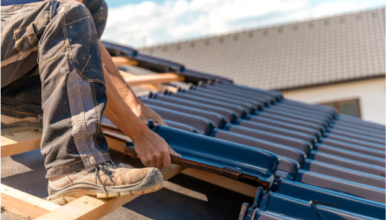
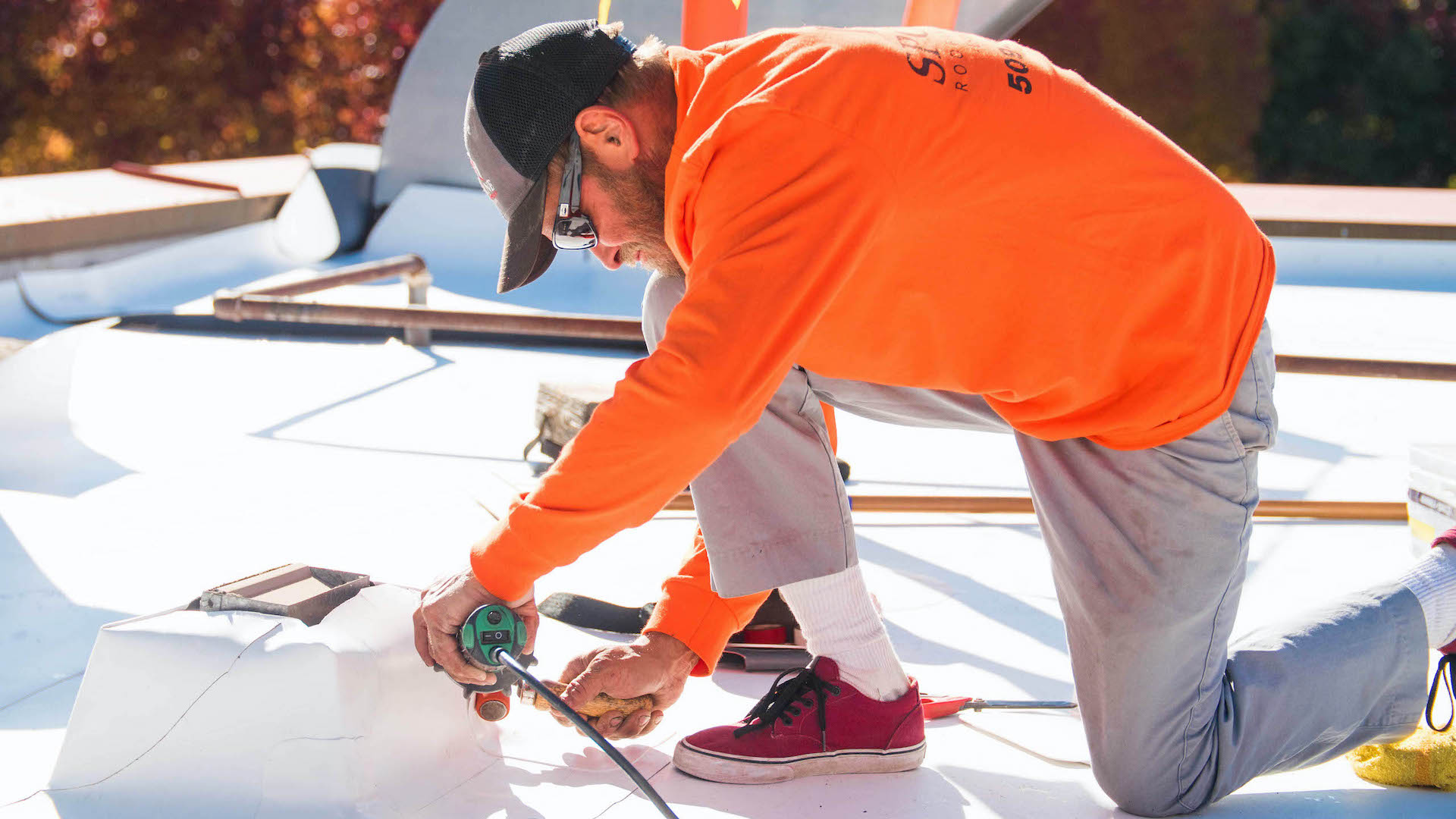
Preparation begins with inspecting the roof deck and replacing damaged areas. Insulation boards are then installed to improve thermal efficiency. Once the membrane is positioned, seams are heat-welded to create a strong and durable bond.
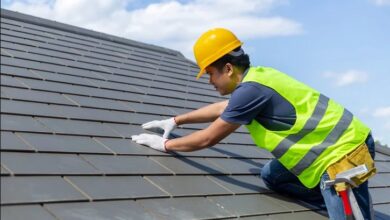
Because precision is essential, professional installation is highly recommended. Improper seam welding or inadequate attachment may reduce the roof’s lifespan and compromise water resistance. Current industry standards emphasize quality workmanship and regular inspections to maximize performance.
Energy Efficiency Benefits
Energy efficiency remains one of the strongest selling points of tpo roofing. Rising energy costs have encouraged businesses and homeowners to seek roofing systems that can reduce cooling expenses.
The highly reflective surface helps minimize heat absorption. Buildings with reflective roofs often require less air conditioning during summer months, leading to reduced electricity consumption. This advantage becomes particularly valuable in warm climates where cooling demands are substantial.
Additionally, many green building initiatives encourage the use of reflective roofing systems. Sustainable construction practices are becoming increasingly important, and TPO membranes align well with these environmental objectives.
Durability Against Weather Conditions
Modern weather patterns can expose roofs to intense sunlight, heavy rain, strong winds, and fluctuating temperatures. These conditions demand roofing materials capable of maintaining performance under stress.
Fortunately, tpo roofing offers excellent resistance to various environmental factors. The membrane is engineered to withstand ultraviolet exposure and thermal movement without significant deterioration. Heat-welded seams also contribute to superior water resistance, helping protect buildings from leaks and moisture damage.
Regions experiencing severe storms particularly benefit from the flexibility and strength provided by this roofing system. Properly installed membranes can perform reliably for decades when combined with routine inspections and maintenance.
Maintenance Requirements
One advantage appreciated by property owners is the relatively simple maintenance associated with TPO systems. Routine care helps maximize lifespan while preventing costly repairs.
Recommended maintenance practices include:
- Scheduling professional roof inspections annually.
- Removing debris and standing water promptly.
- Checking flashing and seams for signs of wear.
- Addressing punctures or damage immediately.
These simple measures can help maintain optimal performance and extend the service life of the roof.
Expected Lifespan
The longevity of tpo roofing depends on several factors, including membrane thickness, climate conditions, installation quality, and maintenance practices. Under favorable circumstances, many systems can last between twenty and thirty years.
Technological advancements have also improved membrane formulations, enhancing resistance to weathering and aging. Manufacturers continue investing in research to produce products capable of meeting evolving building requirements and environmental standards.
Regular inspections and preventive maintenance contribute significantly to extending service life. Property owners who address minor issues early often experience fewer costly repairs over the long term.
Applications in Commercial Buildings
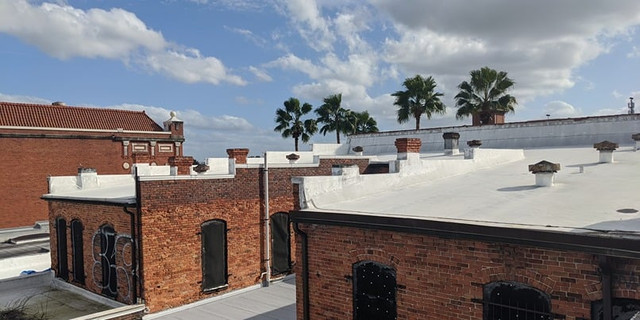
Commercial facilities represent the largest market segment for TPO membrane systems. Shopping centers, manufacturing plants, schools, hospitals, and office complexes commonly utilize these roofs because they offer dependable protection over expansive surfaces.
Large flat roofs particularly benefit from the membrane’s seamless waterproofing capabilities. Energy savings generated by reflective surfaces can also provide meaningful reductions in operational costs, making the investment attractive for businesses focused on long-term efficiency.
Many newly constructed commercial buildings now incorporate reflective roofing systems as part of broader sustainability strategies. This trend continues to support the growth of TPO installations worldwide.
Residential Use and Growing Demand
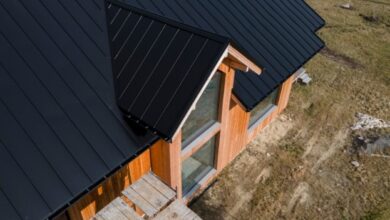
Although traditionally associated with commercial structures, residential applications are becoming more common. Contemporary home designs featuring flat or low-slope roofs often incorporate tpo roofing because of its durability and modern appearance.
Homeowners appreciate the potential energy savings and low maintenance requirements. In regions experiencing prolonged heat, reflective membranes help improve indoor comfort while lowering cooling expenses. This combination of practicality and efficiency has increased residential demand in recent years.
Architects also value the flexibility offered by single-ply membranes when designing contemporary homes. Their lightweight nature reduces structural demands while maintaining excellent waterproofing capabilities.
Sustainability and Environmental Impact
Environmental awareness is influencing material selection across the construction industry. Building owners increasingly prioritize products that contribute to sustainable development and lower carbon footprints.
TPO membranes support these goals through their energy-efficient reflective properties. Reduced cooling demands translate into lower energy consumption and fewer greenhouse gas emissions. Some membranes are also recyclable, further supporting environmentally responsible construction practices.
As green building standards continue to evolve, roofing systems that promote sustainability are expected to remain in high demand. This trend positions tpo roofing as an important component in modern eco-friendly construction.
Factors to Consider Before Choosing TPO Roofing
Selecting the appropriate roofing system requires careful evaluation of several factors. Building owners should assess their specific needs before making a decision.
Important considerations include:
- Local climate conditions.
- Roof design and slope.
- Insulation requirements.
- Installation quality and contractor experience.
- Long-term maintenance expectations.
Evaluating these factors helps ensure that the chosen roofing system delivers maximum value and long-term reliability.
Frequently Asked Questions
Is TPO roofing suitable for all climates?
Yes, tpo roofing performs well in various climates. Its reflective properties are particularly beneficial in warmer regions, while its flexibility allows it to accommodate temperature changes in colder areas. Proper installation and insulation remain important regardless of location.
How long does a TPO roof usually last?
Most systems have an expected lifespan of twenty to thirty years. Longevity depends on membrane quality, installation methods, weather exposure, and maintenance practices. Routine inspections can significantly extend service life.
Does TPO roofing require extensive maintenance?
No, maintenance requirements are relatively minimal. Annual inspections, debris removal, and prompt repair of minor damage are usually sufficient to maintain optimal performance and prevent larger issues.
Is TPO roofing environmentally friendly?
Yes, many building professionals consider TPO an environmentally responsible option because of its reflective properties and potential recyclability. Reduced cooling demands also contribute to lower energy consumption.
Can TPO roofs withstand severe weather?
Properly installed systems provide strong resistance to rain, wind, ultraviolet exposure, and temperature fluctuations. Heat-welded seams enhance waterproofing and contribute to reliable performance under challenging weather conditions.
Why is TPO roofing popular in commercial construction?
Commercial buildings often feature large flat roofs where membrane systems perform exceptionally well. Energy efficiency, cost-effectiveness, and durability have made TPO a preferred choice among developers and property managers.
Conclusion
As energy efficiency and sustainability become increasingly important in modern construction, tpo roofing continues to gain recognition as a practical and reliable solution. Its combination of durability, weather resistance, and reflective performance provides significant advantages for both commercial and residential properties.
Read More:- Commercial Roofing for Strong Business Buildings