What are commercial roofing?
Commercial roofing includes durable roof systems made for business and industrial buildings.
Best commercial roofing
Popular options include metal, TPO, EPDM, and modified bitumen roofs.
How to choose commercial roofing
Select a roof based on durability, energy efficiency, climate, and maintenance needs.
Introduction
A leaking roof or unexpected structural damage can quickly become a costly problem for any business owner. Even minor issues may disrupt operations, increase repair expenses, and affect the safety of employees and customers. Because of these risks, selecting the right roofing system has become more important than ever.
Modern buildings require roofing solutions that deliver reliability, energy savings, and long-lasting protection. With changing weather patterns and increasing energy costs, property owners are paying closer attention to roof performance and sustainability.
Whether managing a warehouse, office complex, shopping center, or manufacturing facility, investing in quality commercial roofing helps preserve the value of a property while reducing long-term maintenance costs. Understanding available materials and installation methods can make a significant difference in the lifespan and efficiency of the entire building.
Quick Summary
- Commercial roofs are designed for durability and long-term performance.
- Material selection affects energy efficiency and maintenance costs.
- Preventive maintenance helps extend roof lifespan.
- Modern roofing systems offer improved weather resistance and sustainability.
Understanding Modern Roofing Systems
Commercial buildings have unique structural requirements that differ from residential properties. Flat roofs and low-slope designs are common because they provide easier maintenance access and maximize usable space for HVAC equipment and solar panels.
Today’s roofing industry emphasizes energy efficiency, waterproofing, and sustainability. Reflective surfaces, insulation upgrades, and advanced membrane technology help businesses reduce utility costs while improving indoor comfort.
Types of Roofing Materials
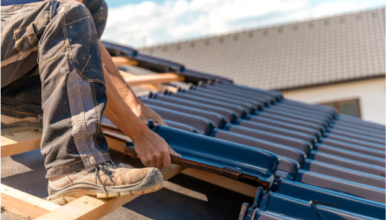
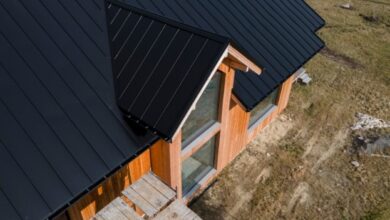
Several roofing materials dominate the market because of their durability and versatility. Single-ply membranes such as TPO roofing and EPDM roofing are popular for their resistance to UV rays and moisture. Metal roofing remains a preferred choice for industrial facilities due to its exceptional longevity.
Modified bitumen systems are known for their multiple layers and strong waterproofing properties. Built-up roofing systems also continue to provide dependable performance for larger structures that require enhanced protection.
Benefits of Commercial Roofing
A professionally installed roofing system delivers more than just weather protection. It contributes to energy efficiency, structural integrity, and lower maintenance expenses over time.
Modern roof coatings and insulation technologies improve thermal performance, reducing heating and cooling costs. Additionally, durable materials can withstand extreme temperatures, heavy rainfall, and strong winds, making them suitable for various climates.
Comparison of Popular Roofing Materials
| Roofing Material | Average Lifespan | Key Benefit | Maintenance Level |
|---|---|---|---|
| TPO Membrane | 20–30 Years | Energy Efficiency | Low |
| EPDM Rubber | 20–35 Years | Weather Resistance | Low |
| Metal Roofing | 40–70 Years | Long-Term Durability | Moderate |
| Modified Bitumen | 20–25 Years | Waterproofing Strength | Moderate |
| Built-Up Roofing | 20–30 Years | Multi-Layer Protection | Moderate |
Commercial Roofing Materials and Performance
Selecting the right material depends on building usage, climate, and maintenance expectations. Advances in insulation systems and reflective membranes have improved overall roofing performance significantly.
According to industry studies, properly maintained roofing systems can extend their lifespan by up to 30%. Energy-efficient roofing materials may also reduce cooling costs by approximately 15–20%, providing measurable savings for businesses.

Energy Efficiency and Sustainability
Environmental concerns have encouraged businesses to adopt sustainable roofing practices. Cool roofs, reflective coatings, and recyclable materials are increasingly common across commercial properties.
These systems help reduce heat absorption and contribute to lower energy consumption. Combined with proper insulation, they create more comfortable indoor environments while supporting long-term sustainability goals.
Real-Life Example
A medium-sized distribution center experienced recurring leaks and rising energy bills due to an aging roof. After replacing the existing structure with a TPO membrane system and upgraded insulation, the company reported lower maintenance requirements and noticeable reductions in cooling expenses within the first year.
This example demonstrates how thoughtful roofing investments can provide operational and financial advantages beyond simple weather protection.
Pros and Cons
Advantages
- Long-lasting protection for business properties.
- Improved energy efficiency and reduced utility costs.
- Better resistance to severe weather conditions.
- Increased property value and building performance.
Disadvantages
- Initial installation costs may be significant.
- Certain materials require specialized maintenance.
- Repairs can become expensive if problems are ignored.
- Weather conditions may affect installation schedules.
Expert Tips
- Schedule roof inspections twice a year.
- Address leaks immediately to prevent structural damage.
- Invest in quality insulation for improved efficiency.
- Choose materials suited to local climate conditions.
Common Mistakes to Avoid
- Ignoring routine maintenance.
- Selecting materials solely based on price.
- Delaying minor repairs until larger issues develop.
- Hiring inexperienced contractors.
Commercial Roofing Installation Considerations
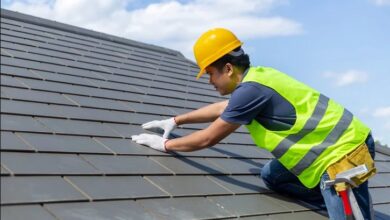
Installation quality directly affects the lifespan and performance of any roofing system. Proper drainage, ventilation, and insulation are essential factors that contribute to long-term reliability.
Experienced professionals evaluate structural requirements, local building codes, and environmental conditions before recommending suitable materials. Careful planning helps minimize disruptions and ensures optimal performance.

Maintenance and Inspection Practices
Routine maintenance remains one of the most effective ways to maximize roof longevity. Regular inspections help identify damaged flashing, ponding water, and membrane deterioration before these issues become costly repairs.
Preventive maintenance programs also support warranty compliance and improve the overall return on investment for property owners.
Who Should Use This
Business owners, facility managers, industrial operators, retail centers, schools, healthcare facilities, and warehouse operators can benefit from professional roofing solutions. Organizations seeking long-term durability and reduced operating costs should prioritize high-quality systems tailored to their specific needs.
Current Trends in Roofing Technology
Technological advancements continue to transform the industry. Smart roof monitoring systems, drone inspections, and energy-efficient coatings are becoming increasingly popular.
Solar-ready roofing designs are also gaining momentum as businesses focus on sustainability and renewable energy integration. These innovations provide greater efficiency and help reduce operational expenses.
Frequently Asked Questions
How long does commercial roofing typically last?
The lifespan varies depending on the material used. Metal systems may last several decades, while membrane systems generally provide reliable performance for twenty to thirty years with regular maintenance.
What factors affect roofing costs?
Costs are influenced by building size, material choice, insulation requirements, labor expenses, and the complexity of installation.
Is maintenance necessary even for new roofs?
Yes. Routine inspections and preventive maintenance help identify minor issues before they develop into major problems and extend the overall lifespan of the roof.
Can severe weather damage roofing systems?
Heavy rain, strong winds, hail, and prolonged exposure to sunlight can affect roofing performance over time. Regular inspections help minimize risks.
Which roofing material requires the least maintenance?
EPDM rubber membranes and TPO systems are generally considered low-maintenance solutions for many commercial applications.
Why is commercial roofing important for businesses?
Reliable commercial roofing protects assets, supports energy efficiency, and helps prevent costly structural damage that may disrupt operations.
Summary Recap
Choosing the right roofing system is a critical investment for any business property. Material selection, proper installation, regular inspections, and preventive maintenance all contribute to long-term performance. Modern technologies and energy-efficient materials provide additional benefits that improve sustainability and reduce operating expenses.
Conclusion
Investing in quality commercial roofing is more than a maintenance decision—it is a commitment to protecting your property, employees, and long-term business success. By selecting suitable materials, prioritizing preventive care, and working with experienced professionals, organizations can achieve greater durability, improved energy efficiency, and peace of mind for years to come.
Read More:- Metal Roofing Benefits and Trends for Homes