Adding an ensuite bathroom can improve the functionality of a home, apartment, office or hospitality property. The challenge is that the preferred location for the bathroom does not always have convenient access to conventional drainage.
This is particularly common in renovation projects. A bedroom may be large enough for an ensuite, but the existing soil pipe may be located on the other side of the building. Similarly, an office may have enough space for a small washroom but no practical gravity drainage connection nearby.
A macerator system can provide an alternative.
Instead of depending entirely on conventional gravity drainage, a macerator collects wastewater from connected bathroom fixtures and pumps it toward an appropriate drainage connection. This makes the location of the bathroom less dependent on the position of an existing large-diameter soil pipe.
The design of the pumping equipment becomes especially important when space is limited. A bulky installation can take away valuable room from an already compact bathroom. This is where an ultra-slim solution can be useful.
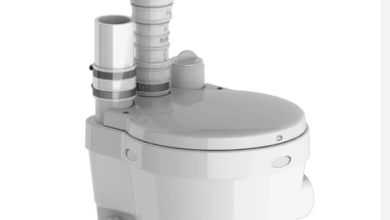
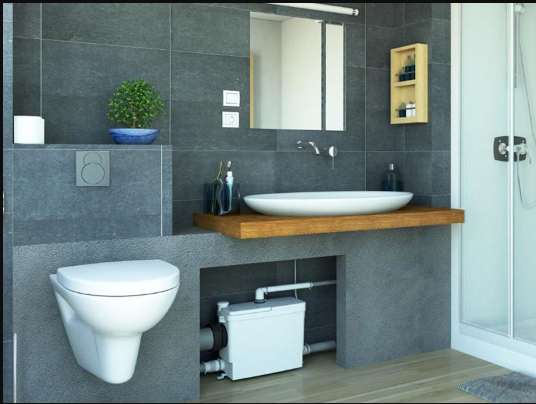
SFA’s Sanipack macerator pump is designed for concealed installation and can handle wastewater from a WC, washbasin, bidet and shower. Its slim format allows it to be positioned behind a wall in suitable installations, helping maintain a clean appearance around wall-hung sanitaryware.
This type of system can be particularly relevant to modern bathroom renovations. Designers increasingly want bathrooms that look uncluttered, while homeowners may not want visible pipework or extensive structural modifications.
A pumping system also provides flexibility when dealing with unusual layouts. For example, a bathroom might be installed in a converted bedroom, basement, office cabin or other space where traditional drainage would require significant construction.
Before selecting equipment, however, the complete plumbing arrangement should be evaluated. The installer needs to consider the fixtures being connected, the vertical pumping height, horizontal discharge distance, available ventilation and the proposed discharge pipework.
The location of the pump should also provide appropriate access for inspection and servicing. Even when the equipment is designed for concealed installation, maintenance access remains an important part of good bathroom planning.
Another consideration is the type of wastewater entering the system. A system designed for a particular group of bathroom fixtures should be used within its specified application. Following the manufacturer’s installation and operating instructions helps avoid unnecessary problems later.
The main advantage of a concealed macerator solution is therefore not simply pumping wastewater. It is the additional design freedom it can provide.
When conventional drainage determines where a bathroom can be placed, renovation possibilities may become limited. A suitable wastewater pumping system can allow architects, interior designers and homeowners to consider alternative layouts while reducing the need for extensive structural work.
For compact ensuite projects involving a WC, washbasin, bidet and shower, a product such as Sanipack can be evaluated as part of the overall drainage design. The correct solution will ultimately depend on the individual project’s hydraulic and installation requirements.