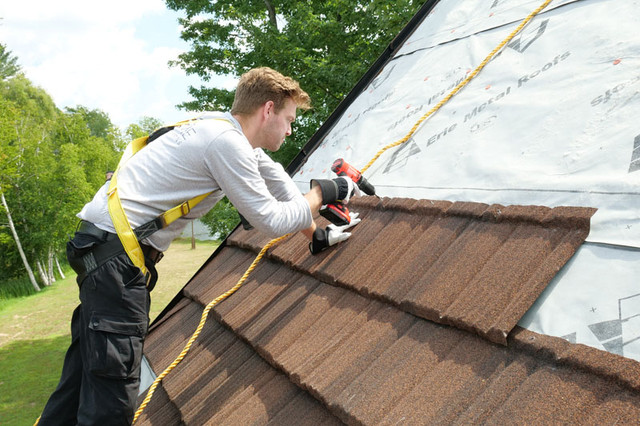
Choosing the right roof is one of the most important decisions homeowners and property investors can make. A roof protects the entire structure from changing weather conditions while also contributing to energy efficiency and overall property value. In recent years, many people have started moving away from traditional materials and exploring more durable alternatives that can provide long-term benefits.
One solution that has gained significant popularity is metal roofing. Thanks to advancements in manufacturing and design, modern metal roofs offer impressive durability, attractive finishes, and excellent performance in various climates. They are no longer limited to industrial buildings but have become a preferred option for residential homes and commercial properties alike.
As construction trends continue to focus on sustainability and energy efficiency, homeowners are looking for roofing systems that provide both style and functionality. With improved technology and modern designs, metal roofing has emerged as one of the most reliable choices available today.
Understanding Metal Roofing and Its Growing Popularity
The increasing demand for durable construction materials has made metal roofing one of the fastest-growing segments in the roofing industry. Modern metal roofs are manufactured using materials such as steel, aluminum, zinc, and copper. These materials are designed to withstand harsh weather conditions while maintaining their appearance for decades.
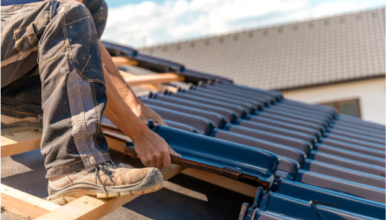
The popularity of metal roofs has also increased because of their ability to complement various architectural styles. Whether a homeowner prefers a contemporary design or a traditional appearance, there are numerous profiles, colors, and finishes available to suit different preferences. Manufacturers have introduced products that resemble tiles, slate, or shingles, allowing homeowners to enjoy both aesthetics and performance.
Current market trends indicate that sustainability and energy efficiency are becoming major factors influencing purchasing decisions. Since many metal roofing materials are recyclable and help reduce heat absorption, they align with environmentally conscious building practices.
Why Homeowners Are Choosing Metal Roofs
Several factors contribute to the growing demand for metal roofing. One of the biggest advantages is longevity. Unlike conventional materials that may require replacement after a couple of decades, metal roofs can often last between 40 and 70 years with proper maintenance.
Another important factor is resistance to extreme weather. Heavy rain, snow, wind, and high temperatures can affect traditional roofing systems over time. Metal roofs are engineered to withstand these challenges while maintaining structural integrity. This makes them particularly attractive for regions experiencing increasingly unpredictable weather patterns.
Additionally, modern coatings and protective layers have improved corrosion resistance and color retention, ensuring that roofs continue to look appealing even after years of exposure to sunlight and moisture.

Types of Metal Roofing Materials
Different materials provide distinct advantages depending on budget, climate, and design requirements.
Steel Roofing
Steel remains one of the most common options because of its strength and affordability. Galvanized and galvalume coatings help protect against rust and extend lifespan. Steel roofs are suitable for both residential and commercial applications.
Aluminum Roofing
Aluminum is lightweight and highly resistant to corrosion. Properties located near coastal regions often benefit from aluminum because it handles salt exposure exceptionally well. Although slightly more expensive than steel, it offers impressive durability.
Copper Roofing
Copper roofs are known for their elegant appearance and remarkable longevity. Over time, copper develops a distinctive patina that adds character to a property. Because of its premium cost, copper is commonly used in luxury homes and historical restoration projects.
Zinc Roofing
Zinc possesses self-healing properties that allow minor scratches to repair naturally over time. Its long lifespan and environmental benefits have made it increasingly popular in sustainable construction projects.
Key Benefits of Metal Roofing
Modern homeowners appreciate several advantages offered by metal roofing systems.
- Exceptional lifespan compared to many conventional roofing materials.
- Excellent resistance to harsh weather conditions.
- Energy-efficient performance that can reduce cooling expenses.
- Low maintenance requirements over the years.
- Environmentally friendly and recyclable materials.
These advantages explain why builders and architects continue recommending metal roofs for new construction and renovation projects.
Comparison of Roofing Materials
| Roofing Material | Average Lifespan | Maintenance Level | Energy Efficiency |
|---|---|---|---|
| Asphalt Shingles | 15–30 Years | Moderate | Average |
| Clay Tiles | 40–50 Years | Moderate | Good |
| Wood Shingles | 20–30 Years | High | Moderate |
| Metal Roofing | 40–70 Years | Low | Excellent |
| Slate Roofing | 75–100 Years | Low | Excellent |
This comparison demonstrates why many homeowners view metal roofs as a long-term investment rather than simply a construction expense.

Energy Efficiency and Environmental Advantages
Energy conservation has become increasingly important in modern construction. Reflective coatings used in metal roofing help reduce heat absorption, especially during warmer months. This contributes to lower indoor temperatures and decreases the workload placed on cooling systems.
Many manufacturers now produce roofing materials using recycled content. Furthermore, unlike some conventional materials that contribute to landfill waste after replacement, metal roofs are highly recyclable at the end of their lifespan. This supports sustainability initiatives and aligns with growing environmental awareness among consumers.
Government regulations and green building standards have also encouraged builders to incorporate energy-efficient materials into their projects. As a result, metal roofs continue gaining recognition as environmentally responsible solutions.
Installation Considerations
Although the initial cost of metal roofing may be higher than traditional asphalt shingles, the long-term value often offsets the investment. Proper installation is essential for achieving maximum durability and performance.
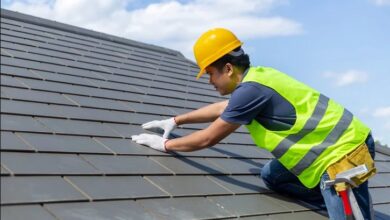
Professional contractors assess factors such as roof slope, ventilation requirements, insulation, and drainage systems before installation begins. Precision during installation helps prevent leaks and ensures the roof performs effectively throughout its lifespan.
Homeowners should always work with experienced roofing professionals who understand manufacturer specifications and local building regulations. High-quality workmanship plays a critical role in maximizing the benefits associated with metal roofs.
Modern Design Trends in Metal Roofing
Architectural trends have significantly influenced the evolution of roofing materials. Today’s homeowners are seeking roofs that enhance curb appeal while maintaining superior performance.
Current trends include:
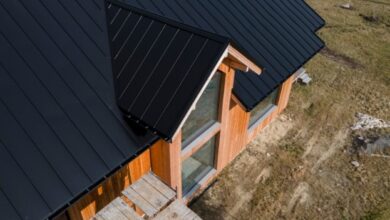
- Matte finishes and darker colors for contemporary aesthetics.
- Standing seam profiles that provide sleek and modern appearances.
- Textured surfaces that imitate traditional shingles or slate.
- Increased demand for sustainable and energy-efficient materials.
These innovations have transformed the perception of metal roofs from purely functional components into attractive architectural features.
Maintenance and Longevity
One reason many people prefer metal roofing is its relatively low maintenance requirements. Unlike some materials that may crack, warp, or deteriorate quickly, metal roofs generally require periodic inspections and occasional cleaning.
Regular maintenance activities include removing debris, checking flashing around vents and chimneys, and inspecting fasteners. Addressing minor issues early can prevent costly repairs later.
Protective coatings and advanced manufacturing technologies have significantly enhanced durability. As a result, homeowners can enjoy decades of reliable performance without frequent replacements.
Cost Factors and Long-Term Value
The price of a roof depends on several variables, including material type, roof complexity, labor costs, and regional market conditions. While upfront expenses may appear higher, many homeowners recognize the long-term financial advantages associated with metal roofing.
Reduced maintenance costs, lower energy consumption, and extended lifespan contribute to substantial savings over time. Insurance companies in some regions may also offer discounts for impact-resistant roofing systems, adding further economic benefits.
When evaluating roofing options, it is important to consider lifetime costs rather than focusing solely on initial installation expenses. A durable roof that lasts several decades often provides better value than one requiring multiple replacements.
Metal Roofing and Extreme Weather Conditions
Climate-related challenges have become increasingly significant in recent years. Storms, heatwaves, heavy rainfall, and strong winds place additional stress on building structures. Because of their exceptional strength, metal roofs have become a preferred choice in regions vulnerable to severe weather.
Many systems are designed to resist wind uplift and impact damage. Fire resistance is another important advantage, providing additional protection for homes and businesses. These characteristics contribute to peace of mind and enhance overall property resilience.
As weather patterns continue evolving, demand for robust roofing systems is expected to increase further. This trend supports the continued growth of metal roofing across residential and commercial sectors.

Frequently Asked Questions
Is metal roofing expensive compared to traditional roofing?
Although installation costs are generally higher initially, metal roofs often provide greater value over the long term because they require less maintenance and can last several decades. Their durability and energy efficiency help offset the upfront investment.
Can metal roofs withstand heavy rain and strong winds?
Yes, modern metal roofs are engineered to perform exceptionally well in adverse weather conditions. Properly installed systems can resist heavy rain, high winds, and various environmental challenges that may affect traditional roofing materials.
Are metal roofs noisy during rainfall?
Many people assume metal roofs are excessively noisy, but modern installations include insulation and underlayment materials that significantly reduce sound. In most cases, interior noise levels are comparable to other roofing systems.
Do metal roofs rust over time?
Contemporary manufacturing processes include protective coatings that help prevent corrosion. Materials such as aluminum and coated steel are specifically designed to resist rust and maintain their appearance for many years.
Are metal roofs environmentally friendly?
Yes, they are considered environmentally responsible because they often contain recycled content and can be recycled again after decades of use. Their energy-efficient properties also contribute to reduced energy consumption.
How long does a metal roof typically last?
Depending on the material and maintenance practices, a metal roof can last between 40 and 70 years, while premium materials such as copper and zinc may perform even longer.
Conclusion
Modern homeowners are increasingly seeking building materials that combine durability, aesthetics, and sustainability. As a result, metal roofing has become one of the most trusted solutions available in today’s construction industry. Its ability to withstand harsh weather, improve energy efficiency, and deliver long-term value makes it an attractive option for residential and commercial properties alike.
Read More:- Hardwood Flooring Guide for Modern Homes