A kitchen remodel is one of the most valuable home improvement projects you can undertake. The kitchen is often called the heart of the home because it serves as a place for cooking, dining, entertaining, and spending quality time with family. Remodeling this important space not only improves daily functionality but also increases your property’s overall value. Whether you’re planning a simple upgrade or a complete transformation, careful planning helps ensure your investment delivers long-lasting benefits.
Modern homeowners look for kitchens that combine beauty with efficiency. Open layouts, smart storage, energy-efficient appliances, and durable materials have become essential features. A successful renovation balances style, budget, and practicality while reflecting your personal preferences. Before beginning your project, it’s important to understand the available design options, expected costs, material choices, and common mistakes to avoid. This comprehensive guide covers everything you need to know to confidently plan your next renovation and create a kitchen you’ll enjoy for years to come.
Why Invest in a Kitchen Remodel?
A kitchen renovation offers benefits that extend far beyond appearance. It improves workflow, enhances comfort, and creates a more enjoyable cooking experience. Many older kitchens suffer from poor layouts, limited storage, outdated cabinets, worn countertops, and inefficient lighting. Renovating allows homeowners to solve these issues while adding modern conveniences.
One of the biggest advantages of a kitchen remodel is the potential increase in home value. Updated kitchens remain one of the first features buyers notice when viewing a property. Even if you’re not planning to sell soon, investing in quality materials and thoughtful design improves everyday living while protecting your home’s long-term market appeal.
Additional benefits include better energy efficiency through modern appliances, improved organization with customized storage solutions, easier maintenance using durable finishes, and enhanced safety with updated electrical and plumbing systems. Ultimately, remodeling creates a space that supports both functionality and lifestyle.
Planning Your Kitchen Remodel
Every successful renovation begins with a detailed plan. Rushing into demolition without considering layout, budget, and priorities often leads to unnecessary expenses and delays.
Start by evaluating how you currently use your kitchen. Think about storage limitations, cooking habits, family size, and entertaining needs. Create a realistic budget that includes construction, materials, labor, permits, appliances, and a contingency fund for unexpected expenses.
Important planning steps include:
- Define your renovation goals.
- Set a realistic spending limit.
- Measure the available space accurately.
- Decide whether to keep or change the existing layout.
- Choose durable materials.
- Hire qualified professionals if necessary.
- Establish a realistic project timeline.
Proper planning reduces stress and helps ensure every design decision contributes to the overall success of your renovation.
Popular Kitchen Layout Options
The layout determines how efficiently your kitchen functions. Choosing the right arrangement depends on room size, household needs, and available space.
L-Shaped Kitchen
Perfect for small and medium homes, the L-shaped design maximizes corner space while providing an open feel. It allows flexibility for adding a dining area or kitchen island.
U-Shaped Kitchen
This layout surrounds the cook on three sides, providing abundant storage and countertop space. It’s ideal for homeowners who spend significant time cooking.
Galley Kitchen
Designed with two parallel countertops, galley kitchens maximize efficiency in compact spaces while maintaining an organized workflow.
Island Kitchen
Kitchen islands provide additional preparation space, seating, storage, and visual appeal. They work best in larger kitchens with sufficient walking clearance.
Open Concept Kitchen
Open layouts continue to grow in popularity by connecting the kitchen with dining and living spaces. This design encourages interaction and improves natural lighting throughout the home.
Choosing Cabinets, Countertops, and Flooring
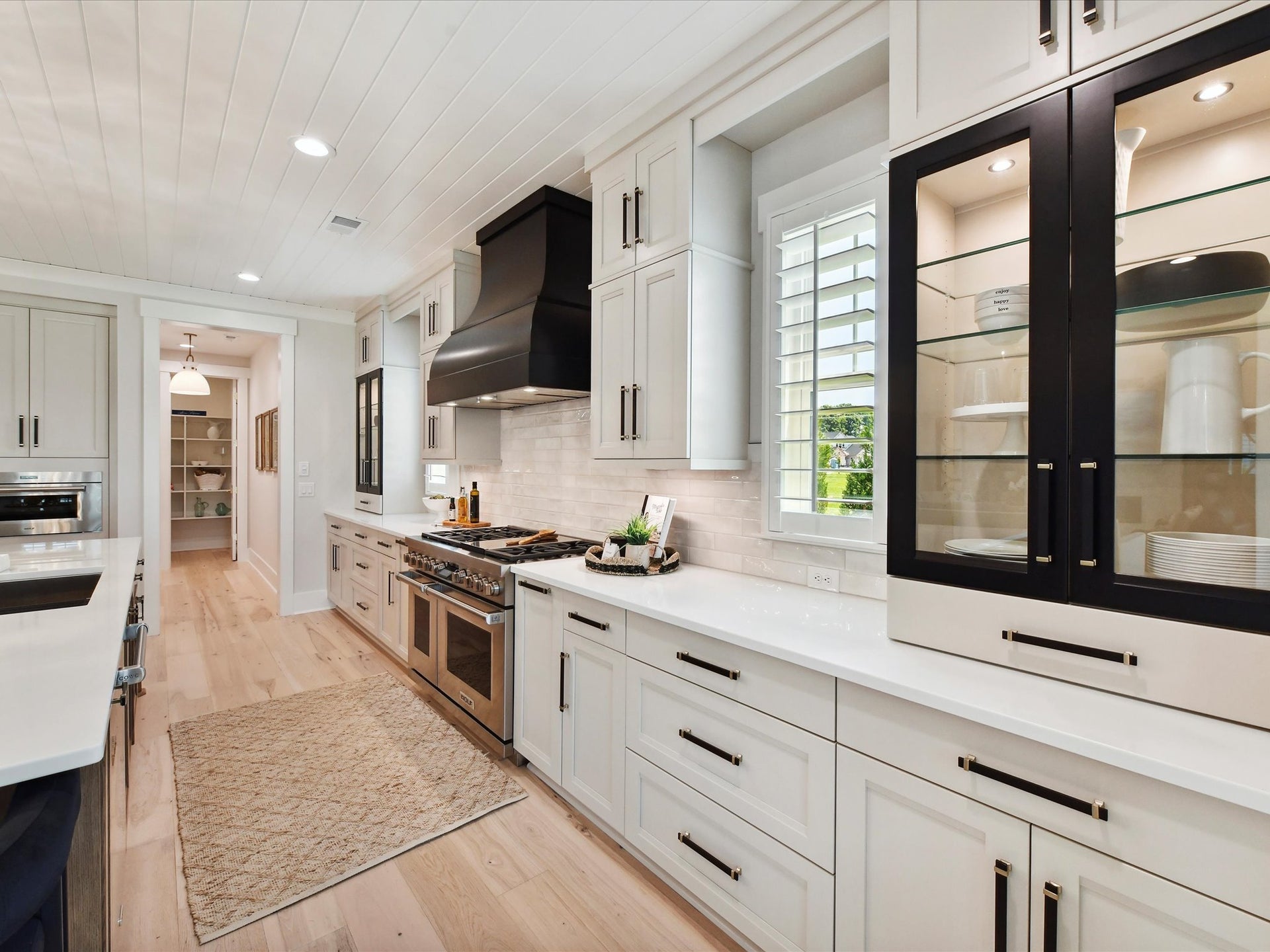
Cabinets typically represent the largest portion of any renovation budget. Selecting quality cabinetry ensures durability while maximizing storage efficiency. Soft-close drawers, pull-out shelves, deep drawers, and built-in organizers significantly improve daily convenience.
Countertops should combine style with durability. Popular materials include:
- Quartz for low maintenance
- Granite for natural beauty
- Marble for luxury appearance
- Butcher block for warmth
- Solid surface materials for seamless installation
Flooring should withstand heavy foot traffic, moisture, and spills. Luxury vinyl plank, porcelain tile, ceramic tile, and engineered hardwood remain popular choices because they balance durability with attractive finishes.
Selecting complementary colors and materials creates a cohesive design that remains stylish for years rather than following short-lived trends.
Kitchen Remodeling Cost Comparison
| Remodel Type | Estimated Budget | Typical Features |
|---|---|---|
| Minor Remodel | $10,000–$20,000 | Paint, fixtures, cabinet hardware, backsplash |
| Mid-Range Remodel | $20,000–$50,000 | New cabinets, countertops, flooring, appliances |
| Major Remodel | $50,000–$100,000+ | Complete redesign, structural changes, luxury finishes |
Actual costs vary depending on location, material quality, labor rates, appliance selection, and project complexity. Establishing priorities helps allocate your budget where it matters most.
Modern Design Trends for Today’s Kitchens
Contemporary kitchens emphasize simplicity, functionality, and timeless aesthetics. Homeowners increasingly choose clean lines, neutral colors, natural textures, and smart technology.
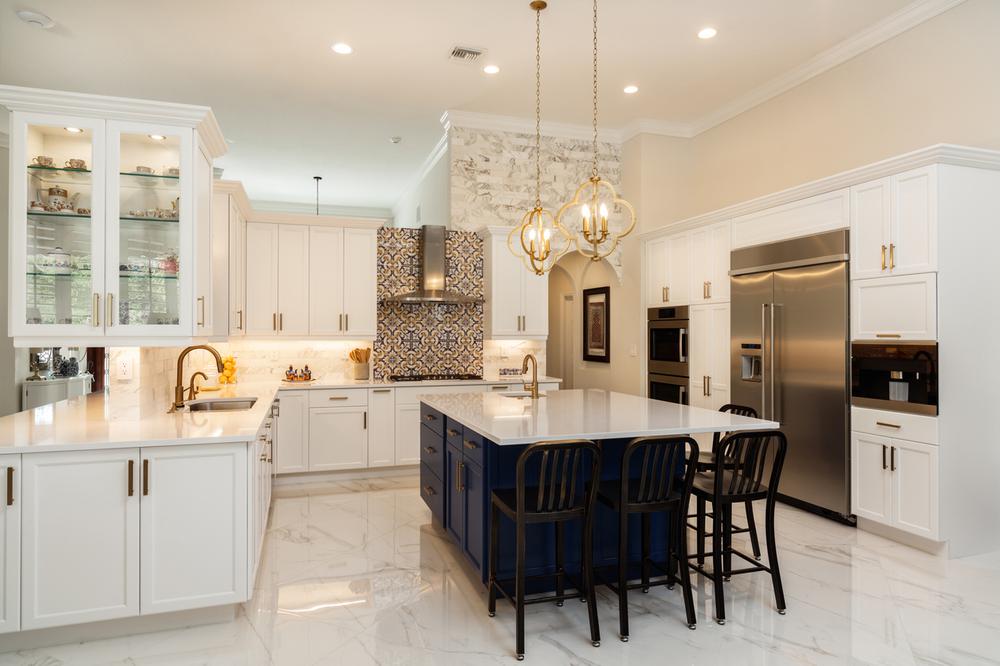
Popular trends include matte cabinet finishes, warm wood accents, large kitchen islands, hidden storage, integrated appliances, under-cabinet lighting, and oversized windows that maximize natural light.
Smart technology has also become an important feature. Voice-controlled lighting, touchless faucets, smart refrigerators, programmable ovens, and energy-efficient appliances improve convenience while reducing utility costs.
Although trends evolve, timeless design principles such as quality craftsmanship, durable materials, and functional layouts continue to deliver the greatest long-term value.
Lighting and Ventilation Matter
Lighting significantly impacts both appearance and functionality. A well-designed kitchen combines multiple lighting layers to eliminate shadows and create a comfortable atmosphere.
The three primary lighting types include:
- Ambient lighting for overall illumination
- Task lighting for cooking and food preparation
- Accent lighting for decorative highlights
Pendant lights above islands, recessed ceiling fixtures, under-cabinet LEDs, and decorative chandeliers create balanced lighting throughout the room.
Ventilation is equally important. A quality range hood removes smoke, grease, cooking odors, and excess moisture, improving indoor air quality while protecting cabinets and walls from long-term damage.
Storage Solutions That Maximize Space
Storage often determines how practical a kitchen feels after renovation. Modern storage innovations make even compact kitchens highly efficient.
Useful storage ideas include:
- Pull-out pantry cabinets
- Corner carousel shelving
- Deep drawers for cookware
- Vertical tray organizers
- Hidden recycling compartments
- Appliance garages
- Drawer dividers
- Spice pull-outs
These features reduce clutter while improving accessibility. Investing in customized storage creates a cleaner workspace and helps maintain organization over time.
Common Kitchen Remodel Mistakes to Avoid
Many homeowners encounter avoidable problems during renovations because of poor planning or unrealistic expectations.
Some common mistakes include:
- Underestimating the budget
- Ignoring workflow efficiency
- Choosing style over function
- Installing insufficient lighting
- Forgetting electrical outlet placement
- Purchasing oversized appliances
- Overlooking storage needs
- Hiring inexperienced contractors
Taking time to carefully review every design decision minimizes costly revisions later. Prioritize functionality first, then enhance aesthetics with finishes and decorative details.
How to Stay Within Budget
Budget management is one of the most challenging aspects of remodeling. Costs can quickly increase due to material upgrades, unexpected repairs, or design changes.
To control spending:
- Establish priorities before shopping.
- Compare multiple contractor estimates.
- Reuse existing layouts when possible.
- Choose durable mid-range materials.
- Purchase appliances during seasonal sales.
- Reserve 10–20% for unexpected expenses.
- Avoid making design changes after construction begins.
Following these practices helps prevent overspending while ensuring quality results throughout the renovation.
Final Thoughts
A thoughtfully planned kitchen remodel transforms one of the most important rooms in your home into a space that is beautiful, practical, and highly functional. From selecting the right layout and quality materials to maximizing storage and incorporating modern technology, every decision contributes to the overall success of the project. Whether you’re working with a modest budget or planning a luxury renovation, careful preparation and smart investments will provide lasting value.
Read more: Single Floor House Design: Stylish, Practical, and Modern Home Ideas