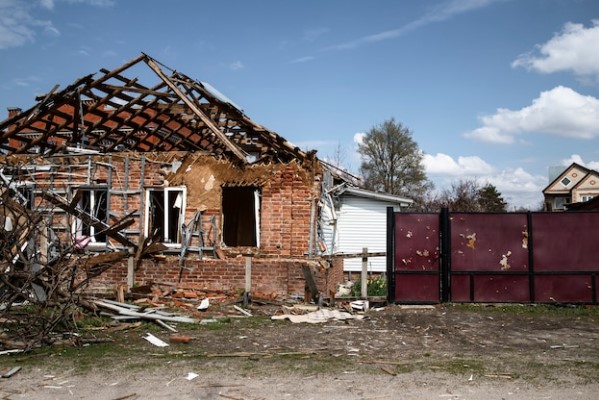
Severe storms can cause different types of damage to homes and commercial properties, including broken roofs, damaged siding, fallen trees, flooding, and structural problems. Dealing with these issues quickly can help prevent additional damage and make the recovery process more manageable. Professional storm damage services provide property owners with specialized assistance for assessing damage, protecting affected areas, completing repairs, and restoring the property to a safe and usable condition.
1. Inspect the Property for Storm Damage
Storm damage services typically begin with a detailed inspection of the affected property. Professionals examine areas such as the roof, walls, windows, doors, gutters, siding, and foundation for visible or hidden damage.
A thorough assessment helps identify problems that may not be immediately noticeable. Documenting the condition of the property can also help owners understand which repairs should receive immediate attention.
2. Address Emergency Damage Quickly
Storm damage can leave parts of a property exposed to rain, wind, and other weather conditions. Broken windows, damaged roofing, and openings in exterior walls may allow water to enter the building.
Professionals can provide temporary measures such as tarping, boarding, or covering exposed areas when appropriate. Addressing these vulnerabilities promptly can help limit additional property damage while permanent repairs are being arranged.
3. Repair Roof and Exterior Problems
Roofs often receive significant exposure during severe weather. Strong winds, hail, and falling branches can damage shingles, flashing, gutters, and other roofing components. Exterior walls, siding, doors, and windows may also require repairs.
Professional contractors can determine which components need repair or replacement and complete the necessary work according to the property’s condition.
4. Manage Water and Moisture Damage
Heavy rainfall and flooding can create moisture problems inside a property. Storm damage services may include water removal, drying, and cleanup when these services are appropriate for the situation.
Removing standing water and addressing wet materials promptly can help reduce the risk of ongoing moisture-related problems. Areas affected by significant water intrusion should be assessed carefully before restoration work begins.
5. Handle Debris and Property Cleanup
Storms can leave behind branches, broken building materials, damaged outdoor structures, and other debris. Cleaning the property can be difficult for owners, especially after a major weather event.
Professional teams may assist with debris removal and general cleanup as part of the restoration process. Clearing affected areas can also make it easier to inspect the property and identify remaining repair needs.
6. Work With Insurance and Restoration Professionals
Storm-related repairs can involve multiple steps, particularly when extensive damage has occurred. Property owners should document damage with photographs and keep records of repair estimates, invoices, and related communication.
Depending on the situation, professionals may provide documentation that can help owners communicate with their insurance provider.
Final Thoughts
Storm damage can affect many parts of a property, from roofing and exterior surfaces to interior areas exposed to water. Professional assistance can help property owners assess problems, address urgent vulnerabilities, complete repairs, and organize the restoration process. When choosing a provider, consider experience, services offered, communication, licensing where applicable, and the type of damage involved.