Key Takeaways
- Surface stains and mould growth may look similar but have different causes.
- Surface stains are often cosmetic signs of past moisture exposure.
- A mouldy ceiling indicates active fungal growth caused by ongoing moisture problems.
- Correct identification helps determine the appropriate repair method.
- Moisture control is essential to prevent both staining and mould recurrence.
Introduction
Ceiling discolouration is a common issue in residential, commercial, and industrial buildings. However, not all marks on a ceiling indicate the same problem. Some are simple surface stains left behind by previous water exposure, while others are signs of active mould growth. Confusing the two can result in ineffective repairs and recurring maintenance issues. Understanding the difference between surface stains and a mouldy ceiling helps property owners and facility managers address the root cause rather than just the visible symptoms.
What Are Surface Stains?
Surface stains are discoloured patches that develop when water, dirt, smoke, or other contaminants come into contact with a ceiling surface. They often appear as yellow, brown, or grey marks and are commonly associated with previous roof leaks, plumbing failures, or condensation problems. Once the source of moisture has been resolved and the area has dried, the stain may remain visible even though there is no active water intrusion.
In most cases, surface stains are flat and uniform in appearance. They do not spread rapidly and usually remain confined to the original affected area. While they can negatively affect the appearance of a room, they are generally considered a cosmetic issue after the underlying moisture source has been eliminated. Cleaning, stain-blocking primers, and repainting are often sufficient to restore the ceiling’s appearance.
What Defines a Mouldy Ceiling?
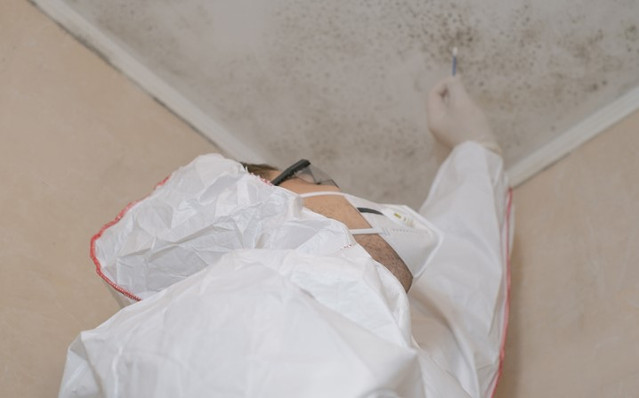
A mouldy ceiling develops when moisture remains present long enough to support fungal growth. Mould thrives in damp environments with limited airflow, making bathrooms, kitchens, laundry areas, and spaces beneath leaking roofs particularly vulnerable.
Unlike ordinary stains, mould often appears as clusters of black, green, grey, or brown spots. It may have a fuzzy, powdery, or patchy texture and can continue to spread if moisture levels remain uncontrolled. In many cases, a musty odour is also present. A key characteristic of a mouldy ceiling is that the affected area tends to expand over time rather than remain static.
Painting over mould without addressing the moisture source rarely solves the problem. The growth typically reappears because the conditions that allowed it to develop remain unchanged.
Key Differences to Look For
The most important distinction is that surface stains are usually evidence of a past event, while mould indicates an active issue. Surface stains tend to have consistent colouring and defined edges, whereas mould often appears as irregular spots or patches that continue to grow.
Texture can also provide clues. Stains are generally smooth because they are embedded within the ceiling material. Mould may create visible surface growth that appears raised, fuzzy, or uneven. Additionally, mould is often accompanied by persistent dampness or a noticeable musty smell, while old water stains typically do not produce an odour once dry.
Another difference is the level of remediation required. Surface stains may only need cosmetic repairs, while a mouldy ceiling often requires cleaning, moisture control measures, and, in severe cases, replacement of affected building materials.
Why Proper Identification Matters
Mistaking mould for a simple stain can lead to ongoing damage. Active mould growth may spread to surrounding materials and continue to deteriorate ceilings, insulation, and wall surfaces. Conversely, treating a harmless stain as mould may result in unnecessary costs and disruption.
A proper inspection should focus on identifying moisture sources, checking whether the affected area is growing, and assessing the condition of nearby materials. Addressing moisture problems remains the first step regardless of whether the issue is staining or mould growth.
Conclusion
Although they may appear similar, surface stains and a mouldy ceiling require different approaches. Surface stains are often cosmetic remnants of previous moisture exposure, while mould signals active growth caused by ongoing damp conditions. Identifying the difference allows building owners to apply the correct solution, prevent recurring issues, and maintain the condition of the property more effectively.
Contact Mouldgone and ensure that the underlying moisture source in your ceiling is properly addressed.