Introduction
Indoor air quality is a big problem in modern homes, especially since pollution levels are rising and people are spending more time indoors. Dust, allergies, smoking, pet dander, and other pollutants that you can’t see can all damage your breathing comfort and health without you knowing it. This is where innovative air cleaning technology comes in. The Dyson air purifier has become well-known around the world for its cutting-edge design, smart functions, and powerful filtering technology. This article talks about how Dyson’s air purifiers function, what makes them different, and why people think they are a good choice for keeping indoor spaces healthier.
Knowing why air purification is important
Sometimes, the air inside houses and offices is dirtier than the air outside. Everyday things like cooking, cleaning, burning incense, or even opening windows in places with bad air quality can let dangerous particles into closed spaces. Long-term exposure to bad air quality may cause allergies, breathing problems, migraines, and tiredness over time.
An air purifier works by catching airborne pollutants and pumping fresh air back into the space. It keeps the air clean all the time. What makes advanced purifiers different is that they can automatically find pollutants and change how well they work without needing to be manually adjusted all the time. Dyson puts a lot of emphasis on this smart approach, which combines science with ease of use.
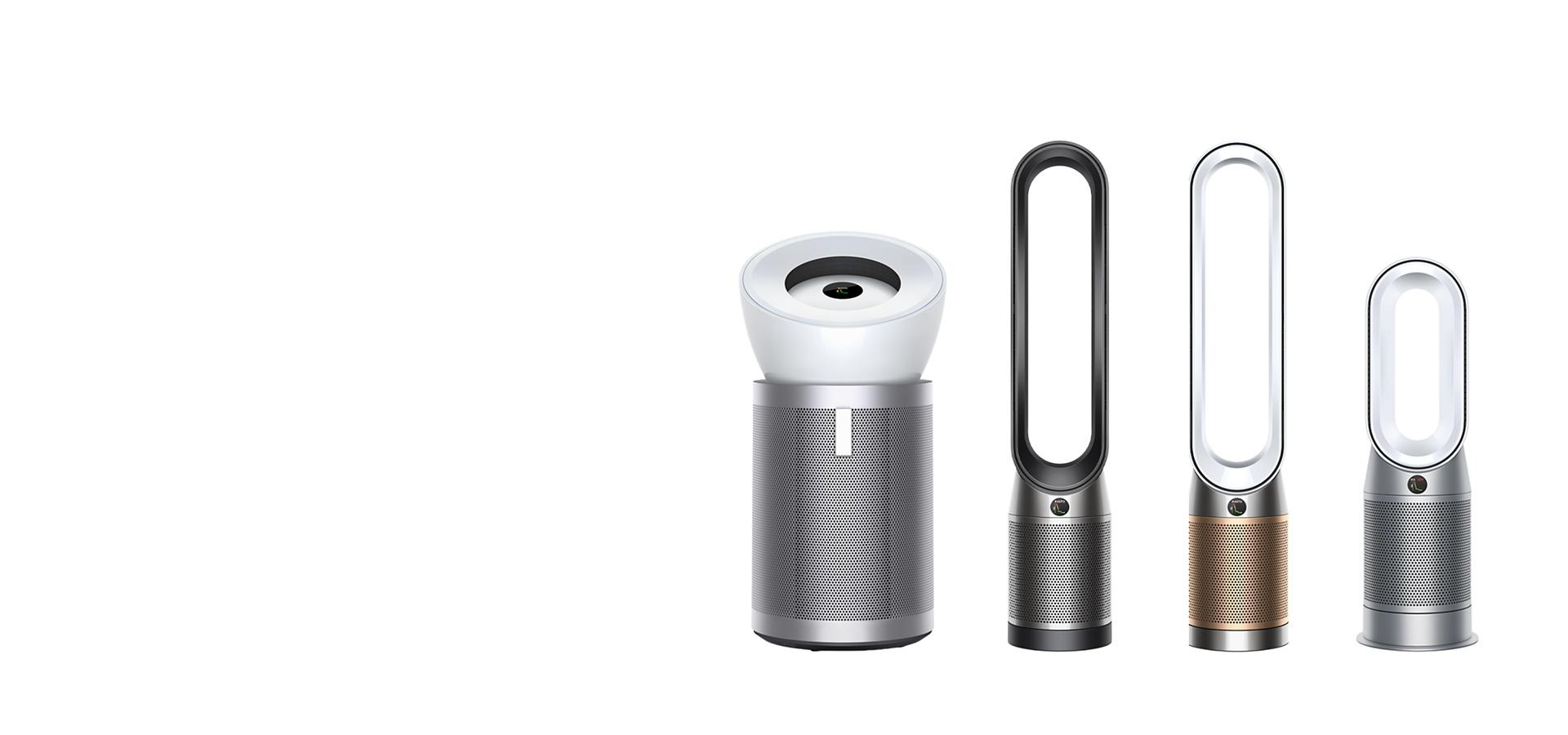
Why People Trust Dyson for Air Care
People all across the world recognize Dyson for making goods that are based on engineering and go against the grain of traditional designs. The company focuses on airflow efficiency, motor technology, and streamlined design in everything from vacuum cleaners to bladeless fans. When Dyson started making air purifiers, it used the same design philosophy: making machines that are not only useful but also look good and are cutting-edge in terms of technology.
Dyson’s purifiers are different from ordinary ones since they use both fans and filters. They also include precise sensors and powerful airflow systems. This makes sure that the clean air gets to every part of the room instead of just lingering near the device. Because of this, the air quality in the living space stays more stable for users.
How a Dyson Air Purifier Works
Every Dyson air purifier has a multi-stage filtration system and smart sensing technology at its heart. The purifier keeps an eye on the air quality inside and reacts right away. Carefully constructed airflow channels pull pollutants into the machine, where they go through filters that may catch both big and small particles.
The sealed filtering system from Dyson is really interesting. The whole equipment is designed to keep air from leaking out, so once pollutants are captured, they can’t get back into the room. This level of care makes the purifier more efficient overall and safe for homes with people who are allergic to things.
What is Advanced Filtration Technology?
Dyson air purifiers usually use both HEPA and activated carbon filters at the same time. HEPA filters may catch very small particles, such as allergens and contaminants that are too small to see. Layers of activated carbon help soak up gasses, smells, and volatile organic chemicals that particle filters can’t catch on their own.
The end result is thorough air cleansing that gets rid of both apparent dust and hazards that can’t be seen. This means that the purifier works well in places where there is smoke, pollution from cities, or strong smells from homes. Regular use over time helps keep the air within considerably fresher.
:strip_icc()/bhg-primary-air-purifiers-ahuang-236-deae60d203364a3a8c9881e76523ffb9.jpeg)
Smart Sensors & Monitoring in Real Time
The smart sensor system in Dyson purifiers is one of the best things about them. These sensors are always checking the air quality and can tell when it changes because of things like open windows or activity inside. The machine changes its speed on its own to deal with higher levels of pollution, so the user doesn’t have to do anything.
Many versions also give you feedback in real time through applications or digital displays. People can see what’s going on in their indoor air and how the purifier is responding because of this openness. It turns air purification from a passive process into an engaging and educational one.
Design That Combines Style and Function
People know that Dyson puts design first without sacrificing performance. A Dyson air purifier is frequently sleek, simple, and modern, so it can be put in a living room, bedroom, or workplace without looking big or industrial. Many versions have a bladeless design that makes them safer, especially in families with kids or pets.
The design not only looks good, but it also helps air flow the best. Dyson’s engineering makes sure that clean air is evenly spread around the space, which cuts down on places where pollutants could build up. The brand distinguishes out in the air care sector because of how well it balances form and function.
Multi-Functionality for Comfort All Year Round
A lot of Dyson air purifiers can chill or heat the air, in addition to cleaning it. Because they can do more than one thing, they are beneficial all year, not just when pollution levels are high. Instead of buying different appliances, users get a single gadget that may change to meet their needs.
Some versions can gently heat the air in the winter, while others can circulate cool, clean air in the summer. This flexibility adds value and makes the investment more useful for a long time.
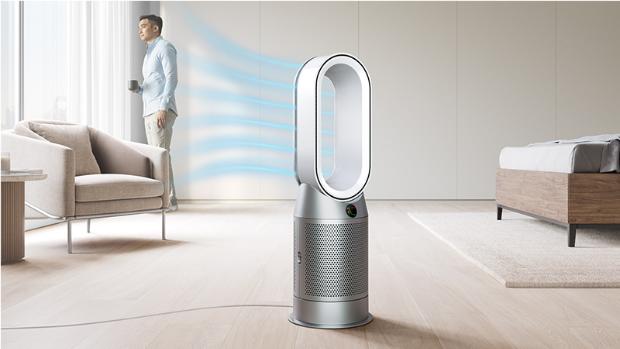
Noise Levels and Comfort in Daily Life
People are often worried about noise when they use air purifiers, especially in bedrooms or offices. Dyson solves this problem by making motors and airflow channels that make less noise when they are running. When the purifier is running at lower speeds, it is quiet enough for you to sleep or work without being disturbed.
The sound profile is meant to be smooth, even at faster speeds. This focus on acoustic comfort makes sure that people can breathe cleaner air without being bothered by frequent mechanical noise.
Sustainability and energy efficiency
When picking out an item that will be used for a long time, energy use is a big factor. Dyson purifiers are designed to maximize power use while providing great airflow efficiency. Automatic settings help save even more energy by changing how well the system works based on the current air quality instead of always running at full power.
Also, long-lasting filters and strong construction make things more sustainable by cutting down on the need for regular replacements. Dyson builds their filters to keep working well even after long periods of use, but they still need to be changed.
How easy it is to use and take care of
Dyson is also great at making things easy for users. Changing the filter is easy, and there are visible signs that tell consumers when maintenance is needed. The machine’s easy-to-use controls and ability to connect to apps make it easy to use every day. You can even make changes from across the room or even from far away.
Anyone can use the purifier because it doesn’t require any technical knowledge to keep it running. This ease of use makes it easier to use all the time, which is important for keeping the air in your home healthy over time.
How a Dyson Air Purifier Can Help Your Health
Using a Dyson air purifier regularly can make a big difference in how comfortable your home is. Cleaner air may assist with allergies, make dust and smoke less irritating, and make your home a nicer place to live. An air purifier is not a medical equipment, but better air quality can help you sleep better, focus better, and feel better overall.
It’s even more crucial to keep the air clean for families with kids, older people, or others who are sensitive to pollution. In these conditions, you may feel safe knowing that Dyson’s effective filtration and smart monitoring are working.
Best Places to Use Dyson Air Purifiers
Dyson air purifiers can be used in many different interior locations, such as bedrooms, living rooms, home offices, and even small businesses. They are especially helpful in places where there isn’t much ventilation because they can move clean air around well.
The purifier works well in any space, whether it’s a small apartment or a big house. Because it is so flexible, it works well in a variety of living situations.

Dyson vs. Other Types of Air Purifiers
Most traditional air purifiers use simple fan-and-filter systems that don’t let a lot of air flow through. On the other hand, Dyson combines clever control systems and airflow amplification to make everything work better. The difference is clear when you look at how evenly the cleaned air spreads around the space.
Dyson devices may cost more, but users who want long-term air quality solutions instead of simply basic filtration often find that the mix of performance, durability, and extra features makes the investment worth it.
Value and Dependability Over Time
When you buy an air purifier, you want to know that it will work for a long time, not just right away. Dyson’s reputation for making things that last and work well all the time makes its purifiers worth more in the long run. These machines are built to work well for years with the right care.
Adding clever diagnostics and high-quality parts makes it less likely that performance will get worse. Dyson is still a trusted brand for people who value quality and new ideas.
Conclusion on Picking a Dyson Air Purifier
The quality of the air within influences comfort, health, and general quality of life. Picking the right purifier can have a big impact on your daily life. A dyson air purifier is a single solution that includes sophisticated filtration, smart sensing, a beautiful design, and the ability to do more than one thing.
Dyson doesn’t just clean the air; it also focuses on recognizing and adapting to indoor settings in real time. This careful effort makes Dyson more than just a maker; it becomes a partner in making homes healthier. If you want a high-end air purifying experience backed by cutting-edge technology, Dyson is a great choice.
Read More:- Dyson Air Purifier Review: Features, Performance, and Value