Billy Bookcase Built In Ideas for Seamless Custom Storage


Introduction
Creating a built-in storage wall has long been associated with custom carpentry, high budgets, and long renovation timelines. In recent years, homeowners and renters alike have been searching for ways to achieve the same polished effect without committing to permanent construction. This is where the idea of a billy bookcase built in approach has gained massive popularity. It blends affordability with flexibility while delivering a finished, architectural look that feels intentional and timeless.
The appeal of built-in shelving goes far beyond storage. Built-ins visually anchor a room, add symmetry, and make spaces feel thoughtfully designed. Whether framing a fireplace, lining a hallway, or transforming a spare wall into a home library, the look elevates the entire interior. Using modular shelving systems allows this transformation to be accessible to more people, regardless of budget or skill level.
This article explores how to achieve a built-in aesthetic using Billy bookcases, covering planning, design considerations, installation techniques, costs, and long-term value. By the end, you will have a clear understanding of how to approach this project from start to finish while maintaining a cohesive and professional result.
Why Built-In Bookcases Remain Timeless
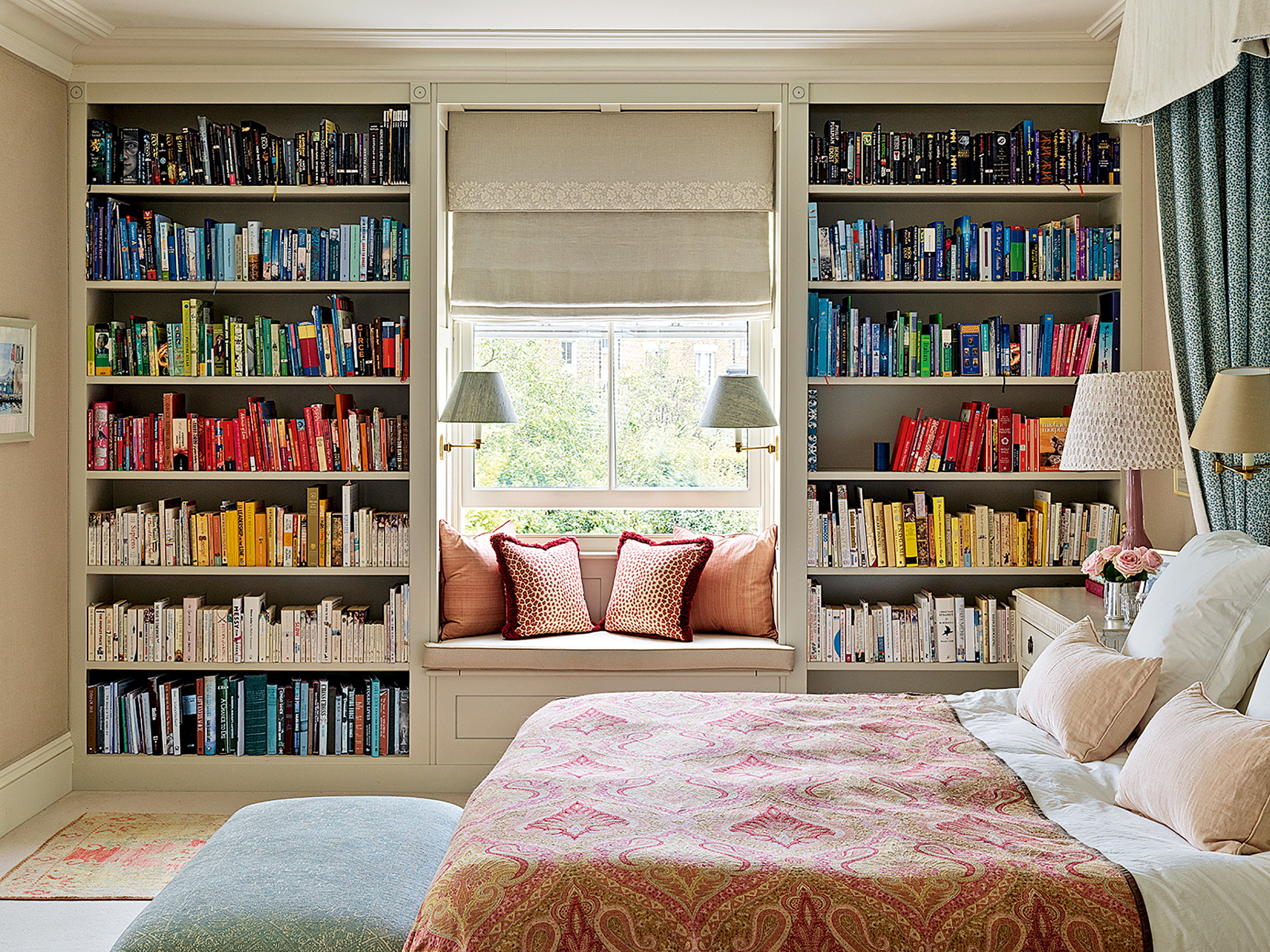
Built-in bookcases have remained a favorite in interior design for decades because they solve multiple problems at once. They maximize vertical space, provide ample storage, and visually integrate with the architecture of a room. Unlike freestanding furniture, built-ins feel permanent and purposeful, which adds a sense of craftsmanship and quality.
Another reason for their popularity is adaptability. Built-ins can be traditional, modern, rustic, or minimalist depending on materials, finishes, and styling. They work equally well in living rooms, bedrooms, offices, and even kitchens or dining areas. This versatility has made the built-in concept a cornerstone of functional design.
The challenge has always been cost and complexity. Custom millwork requires skilled labor, precise measurements, and often weeks of work. The rise of modular shelving systems has changed that landscape, offering a practical alternative that still delivers the visual impact people crave.
Understanding the Billy Bookcase System
The Billy bookcase is known for its simple design, adjustable shelves, and modular sizing. These qualities make it particularly well suited for creating a built-in effect. Because the units come in standardized widths and heights, they can be combined to span entire walls with consistent alignment.
One of the biggest advantages of using Billy bookcases is predictability. Measurements are precise, components are readily available, and accessories such as extension units allow the shelving to reach ceiling height. This consistency makes planning far easier compared to designing custom cabinetry from scratch.
Durability also plays a role. When properly secured and finished, these bookcases can handle the demands of daily use while maintaining their structure. With the right preparation, they become the foundation of a convincing built-in installation.
Planning Your Built-In Bookcase Project
Careful planning is the most important step in achieving a seamless result. Before purchasing materials, it is essential to evaluate the space where the bookcases will be installed. Wall width, ceiling height, baseboard depth, and electrical outlets all influence the final layout.
When planning a billy bookcase built in project, measuring the wall multiple times is strongly recommended. Even small discrepancies can affect alignment, especially when working floor to ceiling. Ceiling height variations are common, and these differences must be accounted for during installation and trim work.
Another consideration is purpose. Deciding how the shelves will be used helps determine shelf spacing and configuration. A display-focused installation may prioritize visual balance, while a storage-heavy setup may require more adjustable shelving and closed storage at the bottom.
Lighting should also be considered early. Built-ins provide an excellent opportunity to incorporate accent lighting, whether through integrated fixtures or strategically placed lamps. Planning for wiring and outlets ahead of time prevents disruptions later in the process.
Design Choices That Elevate the Built-In Look
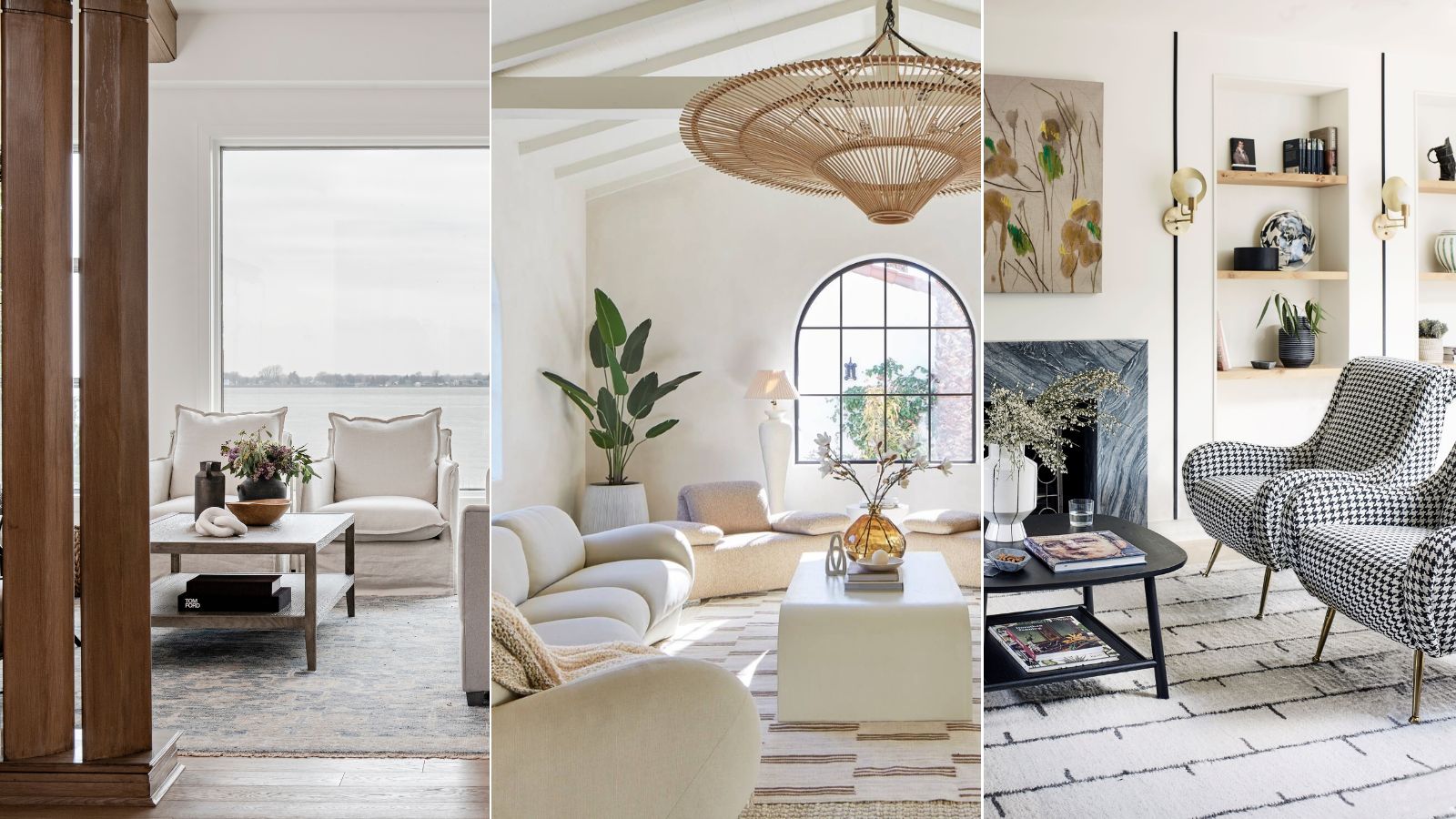
Design details are what separate a standard shelving unit from a true built-in appearance. Color, trim, and proportion all contribute to the final effect. Painting the bookcases and surrounding trim the same color as the wall or in a complementary shade helps unify the installation with the room.
Crown molding is one of the most impactful additions. Extending molding across the top of the bookcases and tying it into the existing ceiling trim creates the illusion that the shelves were part of the original architecture. Baseboards play a similar role at floor level, especially when existing baseboards are removed and replaced with a continuous run.
Proportion matters as well. Leaving minimal gaps between units and walls ensures a tight, intentional fit. Filling these gaps with trim rather than leaving them exposed prevents the installation from looking temporary or unfinished.
Symmetry is another powerful design tool. Centering shelves around a focal point such as a fireplace or television creates balance and visual harmony. Even in asymmetrical layouts, maintaining consistent spacing and alignment preserves a cohesive look.
Installation Process and Key Techniques
The installation phase is where planning turns into reality. It begins with assembling the bookcases and positioning them in the intended layout. Units should be leveled carefully, as uneven floors are common and can throw off the entire installation.
Securing the bookcases to the wall is essential for both safety and stability. Anchoring them to studs ensures they remain firmly in place, especially when loaded with books or decor. Once secured, gaps between units and walls can be addressed with filler strips or trim pieces.
For those pursuing a billy bookcase built in finish, trim work is where the transformation truly happens. Vertical trim covers seams between units, while horizontal trim creates a clean transition at the top and bottom. Caulking all joints and seams ensures a smooth surface ready for paint.
Painting is typically done after installation and trim work. Using a high-quality paint and applying multiple coats results in a durable, furniture-like finish. The final result should feel solid and integrated rather than assembled.
Table One: Common Room Applications and Design Focus
| Room Type | Primary Function | Design Emphasis | Visual Impact Level |
|---|---|---|---|
| Living Room | Display and storage | Symmetry and trim details | High |
| Home Office | Organization and workflow | Shelf adjustability | Medium |
| Bedroom | Storage and decor | Color coordination | Medium |
| Dining Room | Serving and display | Lower cabinets and shelves | High |
| Hallway | Space optimization | Slim profiles | Medium |
Cost Considerations and Budget Planning
One of the most attractive aspects of using modular shelving for built-ins is cost control. Compared to custom cabinetry, the materials are significantly more affordable, allowing homeowners to achieve a high-end look at a fraction of the price.
Costs typically include the bookcases themselves, trim materials, fasteners, paint, and tools. Optional expenses may involve lighting, hardware, or professional assistance for certain steps. Even with these additions, the overall investment remains accessible for many budgets.
The flexibility to phase the project is another financial advantage. Some homeowners choose to install the bookcases first and add trim or paint later. This staged approach makes it easier to manage expenses while still working toward a complete built-in look.
When evaluating value, it is important to consider longevity. A well-executed installation can last for years and adapt to changing needs, making it a smart investment in both function and aesthetics.
Styling and Decorating Built-In Shelves
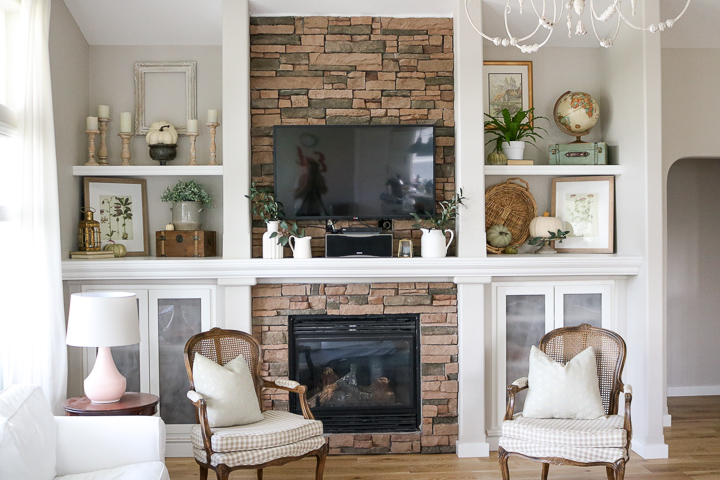
Styling plays a crucial role in how built-in shelves are perceived. Thoughtful arrangement of books, decorative objects, and personal items brings warmth and character to the installation. The goal is to strike a balance between visual interest and negative space.
Using a mix of vertical and horizontal book stacks adds variation. Incorporating art, plants, and sculptural objects prevents the shelves from feeling monotonous. Consistent color palettes help maintain cohesion, especially in large installations.
Closed storage elements at the bottom can hide clutter and keep the overall look clean. This combination of open and concealed storage enhances both practicality and aesthetics.
Seasonal updates are another benefit of built-ins. Changing decor throughout the year refreshes the space without altering the structure, allowing the shelves to evolve with personal style.
Table Two: Estimated Cost Breakdown for a Built-In Project
| Expense Category | Low Estimate | High Estimate |
|---|---|---|
| Bookcases and extensions | Moderate | Moderate |
| Trim and molding | Low | Medium |
| Paint and supplies | Low | Medium |
| Tools and hardware | Low | Medium |
| Optional lighting | Medium | High |
Common Mistakes to Avoid
Rushing the planning stage is one of the most common mistakes. Skipping detailed measurements or failing to account for uneven surfaces can lead to misalignment and frustration during installation. Taking the time to plan carefully saves effort later.
Another frequent issue is underestimating the importance of trim. Without proper finishing details, the shelves may look like freestanding units rather than built-ins. Trim, caulk, and paint are what create the illusion of permanence.
Overloading shelves is also a concern. While sturdy, shelves have weight limits that should be respected to avoid sagging over time. Distributing weight evenly and using reinforcement when necessary preserves the structure.
For anyone attempting a billy bookcase built in installation, patience is key. Allowing adequate drying time for paint and caulk ensures a professional finish that stands up to daily use.
Long-Term Value and Adaptability
Built-in shelving adds both functional and aesthetic value to a home. While it may not always directly increase resale value, it enhances the overall appeal of interior spaces, which can influence buyer perception. Homes with well-designed storage often feel more organized and spacious.
Adaptability is another long-term benefit. Shelves can be reconfigured, repainted, or restyled as needs change. This flexibility allows the installation to remain relevant even as lifestyles evolve.
Because the underlying structure is modular, repairs or modifications are relatively straightforward. Individual components can be replaced without dismantling the entire installation, extending the life of the project.
Conclusion: Achieving a Custom Look with Confidence
Creating a built-in shelving wall no longer requires a custom carpenter or an unlimited budget. With careful planning, thoughtful design, and attention to detail, a billy bookcase built in approach can deliver a polished, high-end result that feels tailored to the space.
From initial measurements to final styling, each step contributes to the illusion of permanence and craftsmanship. The combination of affordability, flexibility, and visual impact makes this method an appealing choice for homeowners seeking both function and beauty.
By understanding the process and avoiding common pitfalls, it is possible to transform an ordinary wall into a defining feature of the home. The result is storage that works hard, looks intentional, and stands the test of time.
Read More:- Transform Your Home with Stunning Narrow Dark Hallway Ideas