Home Upgrading Advice Mintpalment for Smart and Efficient Renovations


Introduction
Upgrading a home can be a daunting task, but with the right home upgrading advice mintpalment, the process becomes structured, manageable, and ultimately rewarding. Renovating or improving your living space is not only about aesthetics; it is about functionality, energy efficiency, and creating an environment that reflects your lifestyle. This guide offers detailed insights into upgrading your home effectively, with strategies supported by smart planning and execution.
Understanding the Concept of Home Upgrading Advice Mintpalment
The term home upgrading advice mintpalment refers to structured guidance aimed at improving your home. Unlike generic renovation tips, mintpalment emphasizes practical, budget-conscious, and sustainable methods that can transform your living space without unnecessary complications. A well-planned approach considers both immediate improvements and long-term benefits, including energy efficiency, property value increase, and overall comfort.
A key principle in home upgrading advice mintpalment is the integration of functionality and design. Every decision, from selecting materials to choosing color schemes, should align with both aesthetic preferences and practical needs.
Assessing Your Home’s Current Condition

Before starting any home upgrade, it is crucial to assess the existing conditions of your property. Proper assessment forms the foundation for effective home upgrading advice mintpalment. This involves evaluating structural integrity, electrical and plumbing systems, insulation quality, and interior layout.
Key areas to assess include:
-
Structural elements such as walls, floors, and ceilings
-
HVAC systems and energy efficiency
-
Kitchen and bathroom utilities
-
Lighting and natural ventilation
-
Storage and spatial functionality
This step allows you to identify both critical repairs and areas that can be enhanced aesthetically, ensuring that your home upgrading advice mintpalment is tailored to your property’s actual needs.
Planning Your Home Upgrade
Effective planning is central to home upgrading advice mintpalment. A comprehensive plan involves setting clear goals, budgeting accurately, and determining timelines. Begin by identifying your primary objectives. Are you focusing on increasing property value, improving energy efficiency, or enhancing comfort? Defining your goals ensures that every upgrade decision aligns with your ultimate vision.
Budgeting is another essential aspect. A realistic budget considers both material costs and labor expenses. Additionally, setting aside a contingency fund for unexpected costs prevents delays and stress during the renovation process.
| Home Upgrade Element | Estimated Cost Range | Notes |
|---|---|---|
| Kitchen Remodeling | $8,000 – $25,000 | Includes cabinets, appliances, and countertops |
| Bathroom Renovation | $5,000 – $15,000 | Focus on plumbing fixtures and tiling |
| Flooring Upgrade | $3,000 – $10,000 | Depending on material choice |
| Energy Efficiency Improvements | $2,000 – $12,000 | Solar panels, insulation, and windows |
Timelines should be realistic, accounting for procurement, labor availability, and potential delays. Proper planning is a cornerstone of home upgrading advice mintpalment, allowing the project to progress smoothly and efficiently.
Choosing the Right Materials
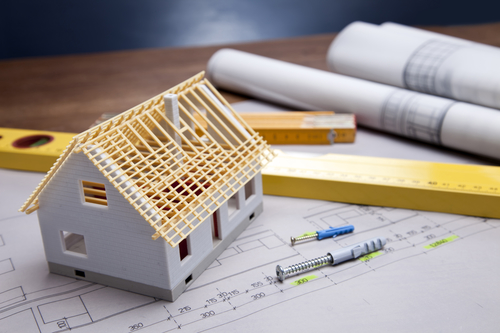
Material selection is a crucial part of home upgrading advice mintpalment. Quality materials not only enhance aesthetics but also improve durability and reduce maintenance costs. For interior upgrades, consider materials that are long-lasting, eco-friendly, and easy to maintain.
Common choices include hardwood flooring for durability, quartz countertops for stain resistance, and energy-efficient windows to improve insulation. For exterior upgrades, materials such as brick, stone, and weather-resistant siding enhance both curb appeal and longevity.
| Material Type | Benefits | Ideal Use |
|---|---|---|
| Hardwood | Durable, classic look | Living rooms, bedrooms |
| Quartz | Low maintenance, heat resistant | Kitchen countertops |
| Energy-Efficient Windows | Reduces energy costs | All rooms |
| Stone or Brick | Long-lasting, low maintenance | Exterior walls |
A carefully curated selection of materials ensures that your home upgrading advice mintpalment delivers lasting results while maintaining a balance between cost and quality.
Upgrading Interior Spaces
Interior upgrades are often the most noticeable and impactful changes in a home. Implementing home upgrading advice mintpalment for interiors involves redesigning spaces to improve functionality and aesthetics simultaneously.
Kitchens and bathrooms are high-priority areas due to frequent use. Upgrading kitchen layouts, installing modern appliances, and improving lighting can transform daily routines into enjoyable experiences. In bathrooms, focus on plumbing efficiency, modern fixtures, and aesthetic appeal through tiling and color coordination.
Living spaces benefit from ergonomic furniture arrangements, effective lighting, and thoughtful decoration. Even minor changes, such as repainting walls or updating fixtures, contribute significantly to the overall ambiance.
Enhancing Energy Efficiency
Energy efficiency is a core aspect of modern home upgrading advice mintpalment. Implementing sustainable practices not only reduces utility costs but also contributes to environmental conservation.
Key strategies include:
-
Installing energy-efficient lighting such as LEDs
-
Upgrading insulation in walls and attics
-
Using programmable thermostats for heating and cooling
-
Incorporating solar panels or energy-saving appliances
Energy-efficient upgrades provide long-term savings and make your home more appealing to future buyers, making it a smart investment under the principles of home upgrading advice mintpalment.
Improving Home Exterior and Curb Appeal

The exterior of your home is the first impression visitors and potential buyers receive. Effective home upgrading advice mintpalment emphasizes the importance of curb appeal.
This can involve landscaping enhancements, repainting the exterior, upgrading the front door, and installing new lighting. Small but strategic upgrades, such as adding a porch or garden pathway, can significantly improve the home’s visual appeal. Exterior improvements not only enhance aesthetics but also increase property value, aligning with long-term goals.
Smart Home Integration
Technology plays a vital role in modern home upgrading advice mintpalment. Smart home systems improve convenience, security, and energy management.
Consider integrating:
-
Smart thermostats and lighting controls
-
Home security cameras and smart locks
-
Automated appliances and irrigation systems
-
Voice-controlled assistants for home management
Smart upgrades enhance both functionality and lifestyle quality, making your home more adaptive to daily needs while keeping it competitive in the housing market.
Budgeting and Cost Management
Staying within budget is a common challenge in home renovations. Proper cost management is essential for successful home upgrading advice mintpalment.
Track expenses using a detailed ledger and categorize them according to project areas. Evaluate trade-offs between premium materials and more cost-effective alternatives without compromising quality. Negotiating with contractors and sourcing materials wisely can also reduce costs while maintaining the desired results.
| Expense Category | Average Cost | Notes |
|---|---|---|
| Materials | 40% of budget | Prioritize durable, long-lasting materials |
| Labor | 35% of budget | Skilled professionals ensure quality work |
| Contingency Fund | 15% of budget | For unexpected repairs or upgrades |
| Permits & Fees | 10% of budget | Necessary for compliance with regulations |
Effective budgeting ensures that your home upgrading advice mintpalment is realistic, avoids overspending, and delivers the best results.
Common Mistakes to Avoid

Even with the best home upgrading advice mintpalment, certain pitfalls can compromise renovation projects. Common mistakes include inadequate planning, underestimating costs, neglecting structural issues, and overlooking energy efficiency.
Avoiding these mistakes requires careful assessment, realistic timelines, and expert consultation. Always prioritize long-term benefits over short-term aesthetic gains. Taking a methodical approach ensures the success of your home upgrade and protects your investment.
Conclusion: Maximizing the Benefits of Home Upgrades
Incorporating home upgrading advice mintpalment into your renovation strategy ensures a smooth, cost-effective, and aesthetically pleasing result. By assessing your home’s current condition, planning carefully, selecting the right materials, and focusing on energy efficiency, you can create a living space that is functional, comfortable, and visually appealing.
A well-executed home upgrade increases property value, enhances quality of life, and provides a sense of satisfaction for years to come. Smart planning, combined with thoughtful execution, transforms the process from a stressful task into an exciting opportunity to reinvent your home.
Read More:- Billy Bookcase Built In Ideas for Seamless Custom Storage