Creating a bedroom that feels calm, supportive, and rejuvenating is essential for emotional balance and physical rest. In feng shui, the bedroom is one of the most important spaces in a home because it directly influences sleep quality, relationships, and personal well-being. When energy, also known as chi, flows smoothly, the room naturally becomes a place of restoration rather than stress. This is where understanding positive energy placement feng shui bedroom principles can transform how you experience your private space every day.
Unlike decorative trends that focus only on appearance, feng shui looks deeper into how placement, direction, and balance affect your life. The bedroom is not meant to be stimulating or chaotic; it should quietly support rest, intimacy, and mental clarity. By aligning your furniture, colors, lighting, and objects correctly, you can cultivate a nurturing environment that continuously feeds you positive energy without effort.
Understanding Energy Flow in the Bedroom
Feng shui is rooted in the idea that energy moves through every space and impacts the people within it. In a bedroom, energy should flow gently rather than rush or stagnate. Fast-moving energy can lead to restlessness and anxiety, while blocked energy may create fatigue or emotional heaviness. The goal is balance.
The concept of positive energy placement feng shui bedroom begins with awareness of how energy enters the room, where it gathers, and how it circulates. Doors, windows, and pathways between furniture act as channels for energy movement. When these areas are blocked or overcrowded, energy becomes disturbed. A clear, open layout encourages smooth flow and a more peaceful atmosphere.
Bedrooms should never feel cramped or overly decorated. Feng shui favors simplicity with intention. Every item should serve a purpose or evoke calm. When energy moves freely, the bedroom becomes a space where the mind naturally slows down and the body relaxes.

The Ideal Bed Position for Positive Energy
The bed is the heart of the bedroom and the most influential element in feng shui. Its placement determines how energy interacts with you while you sleep. One of the core rules is the “command position,” where the bed is placed diagonally across from the door but not directly in line with it. This position allows you to see the entrance without being overwhelmed by incoming energy.
A solid wall behind the headboard is essential. It provides symbolic support and stability, making you feel safe and grounded. Beds placed under windows or floating without wall support can create a sense of insecurity that subtly affects sleep quality.
When applying positive energy placement feng shui bedroom concepts, avoid positioning the bed directly under exposed beams, ceiling fans, or slanted ceilings. These elements create downward pressure energy, which can lead to tension or disturbed rest over time. Balanced placement ensures that energy surrounds the bed evenly, promoting deeper sleep and emotional comfort.
Choosing the Right Direction for the Bed
Directional alignment plays a key role in feng shui, as each direction carries a specific energy. While personal energy numbers can offer deeper customization, general guidelines still apply. Facing the bed toward a direction that supports calm and grounding is ideal for most people.
Southwest and west directions are often associated with stability and rest, while east can support renewal and gentle growth. North is linked with deep, restorative sleep and is often recommended for those struggling with insomnia.
The essence of positive energy placement feng shui bedroom is not rigid rules but harmony. If a specific direction feels comforting and natural, it usually aligns well with your personal energy. Feng shui works best when intuition and principles meet.
Decluttering for Better Energy Balance
Clutter is one of the biggest obstacles to positive energy. In feng shui, clutter represents unfinished business and stagnant energy. In a bedroom, clutter can quietly disturb the mind even if you are not consciously aware of it.
Under-bed storage, for example, should be avoided unless it contains soft, sleep-related items like linens. Storing shoes, paperwork, or electronics beneath the bed disrupts the energy directly beneath your resting body.
For true positive energy placement feng shui bedroom alignment, surfaces should remain mostly clear. Nightstands should hold only a few calming essentials. When the bedroom is uncluttered, energy has room to breathe, and the space naturally feels lighter and more inviting.
Color Selection for Calm and Comfort
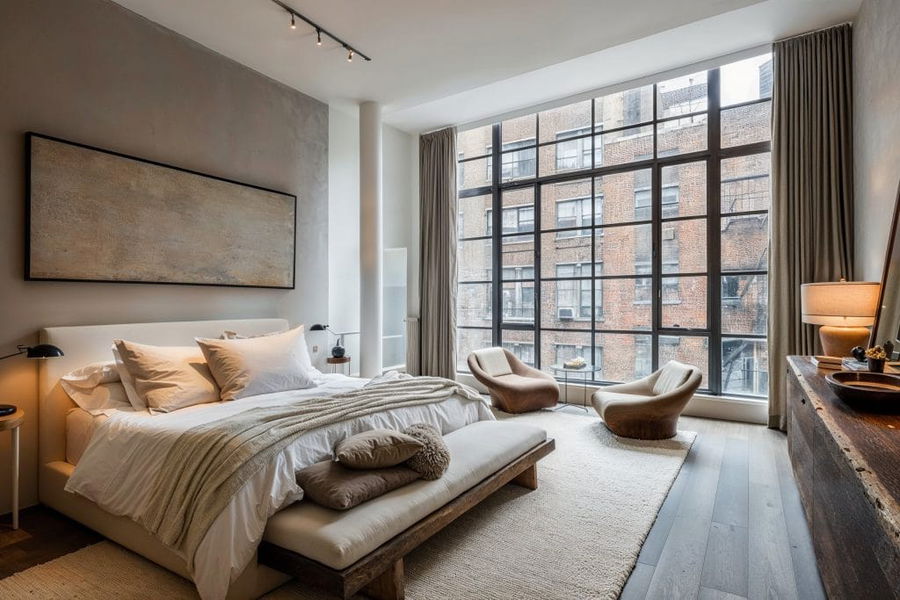
Color influences mood more powerfully than most people realize. In feng shui, bedroom colors should encourage relaxation rather than stimulation. Soft earth tones, gentle neutrals, and muted pastels create a soothing backdrop that supports rest.
Shades of beige, soft gray, warm taupe, light peach, and pale blue are commonly recommended. These colors stabilize energy and create a cocoon-like feeling. Bright reds, intense oranges, and bold patterns are generally discouraged in bedrooms, as they activate high energy and excitement.
When choosing colors under positive energy placement feng shui bedroom principles, consistency matters. Walls, bedding, and décor should complement each other rather than compete. A cohesive color palette helps energy flow smoothly and reduces visual stress.
Lighting and Natural Energy Sources
Lighting has a direct impact on how energy behaves in a bedroom. Natural light during the day refreshes the space and revitalizes energy. At night, soft, warm lighting signals the body to relax and prepare for rest.
Harsh overhead lights should be minimized or balanced with table lamps and wall sconces. Adjustable lighting allows you to control the mood of the room and maintain harmony throughout the day.
Candles, when used safely, can enhance positive energy placement feng shui bedroom environments by adding warmth and gentle movement. Avoid stark fluorescent lighting, as it disrupts energy balance and creates an unnatural atmosphere.
Mirrors and Their Proper Placement
Mirrors are powerful feng shui tools but must be used carefully in bedrooms. They reflect and multiply energy, which can either enhance or disturb the space. A mirror facing the bed is generally discouraged because it reflects your energy back at you while sleeping, potentially causing restlessness.
Mirrors can be helpful when placed to reflect natural light or beautiful views, subtly expanding the space. They should never reflect clutter, sharp corners, or the bed directly.
In positive energy placement feng shui bedroom design, mirrors are best used sparingly and intentionally. Their purpose should always be to uplift the space, not overstimulate it.
Balancing Yin and Yang Energy
Bedrooms should lean heavily toward yin energy, which is calm, soft, and restorative. Too much yang energy, such as electronics, bright lights, or bold décor, can interfere with relaxation.
Soft textures like cotton, linen, and silk enhance yin energy. Rounded furniture edges, gentle artwork, and muted tones further support balance. Electronics such as televisions and laptops introduce active energy and should be removed or minimized.
Achieving positive energy placement feng shui bedroom harmony depends on maintaining this delicate balance. When yin energy dominates, the room naturally invites rest and emotional peace.

Artwork and Decorative Elements
Artwork in the bedroom should evoke feelings of happiness, serenity, and connection. Images of nature, calm landscapes, or paired symbols are commonly recommended. Art that depicts loneliness, chaos, or conflict should be avoided, as it subtly influences emotions.
Decorative objects should have personal meaning or emotional value. Over-decorating creates visual noise that interrupts energy flow. Simplicity enhances clarity and peace.
In positive energy placement feng shui bedroom design, decoration is less about quantity and more about intention. Each element should quietly support the mood you wish to cultivate.
Plants and Natural Elements
Natural elements bring life and freshness into the bedroom when used thoughtfully. Small plants with soft leaves can improve energy quality and air freshness. However, too many plants or large, spiky varieties can overwhelm the space.
Wood, cotton, stone, and ceramic materials ground the room and connect it to natural rhythms. Avoid artificial materials that feel cold or lifeless.
When aligned with positive energy placement feng shui bedroom principles, natural elements should feel gentle and supportive, not dominant.
Creating Emotional and Relationship Harmony
The bedroom is closely tied to emotional well-being and relationships. Symmetry plays an important role here. Matching bedside tables or lamps represent balance and equality, particularly for couples.
Single individuals can still use symmetry to invite balanced energy into their lives. The arrangement symbolizes readiness for harmony rather than imbalance or isolation.
Through positive energy placement feng shui bedroom practices, the room becomes a reflection of emotional intentions, subtly influencing daily experiences and connections.
Conclusion on Feng Shui Bedroom Energy
A well-designed bedroom is not just visually pleasing; it actively supports your health, emotions, and peace of mind. Feng shui teaches that energy responds to intention, placement, and balance. When these elements align, the bedroom transforms into a sanctuary rather than just a sleeping area.
Applying positive energy placement feng shui bedroom principles does not require expensive renovations or drastic changes. Small adjustments, thoughtful placement, and mindful choices can dramatically shift how the space feels. Over time, these changes encourage better sleep, emotional clarity, and a deeper sense of comfort within your home.
By respecting energy flow and nurturing calm, your bedroom becomes a quiet source of strength, supporting you every night and every morning.
Read More:- Modern Interior Design: Creating Stylish and Functional Living Spaces