Many homes built before the 1980s likely contain asbestos. This material was widely used in construction for its fire-resistant and insulating properties. Identifying potential asbestos sources is the first step in managing the risks.
Common Building Materials Containing Asbestos
Asbestos was incorporated into a surprising variety of building products. Homeowners should be aware of these common culprits:
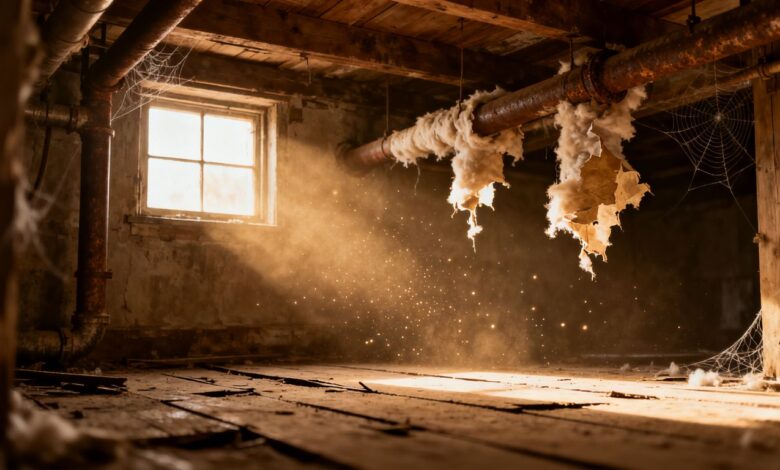
- Insulation: Both pipe insulation and attic/wall insulation often contained asbestos.
- Flooring: Vinyl tiles, sheet flooring, and the adhesives used to install them could contain asbestos.
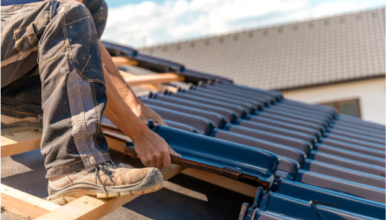
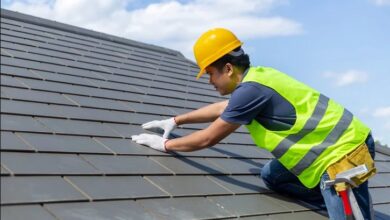
- Roofing and Siding: Shingles, felt, and cement-based siding materials frequently incorporated asbestos fibers.
- Textured Paints and Coatings: Popcorn ceilings and other decorative wall coatings were common applications.
- Other Areas: Asbestos could also be found in older appliances, fireplace cement, and even some types of plaster.
Historical Use and Prevalence in Construction
From the mid-20th century until the late 1970s, asbestos was a go-to material for builders. Its durability, heat resistance, and affordability made it incredibly popular. It was used in everything from large commercial buildings to the average family home. Because it was so common, it’s estimated that a significant percentage of older homes still have asbestos-containing materials (ACMs) present. The widespread use means that even if a home wasn’t built with asbestos directly, renovations or repairs using older materials could have introduced it. Understanding this history helps explain why so many aging properties are a concern. If your home was built during this era, it’s wise to assume asbestos may be present until proven otherwise. For more information on historical use, the EPA’s website offers resources.
Identifying Potential Asbestos Sources
Visually identifying asbestos can be challenging, as it’s often mixed with other materials. The only way to be absolutely certain is through laboratory testing. However, certain indicators can raise suspicion:
- Age of the Home: Properties built before 1980 are at higher risk.
- Material Type: Certain materials, like older insulation wraps or textured ceiling coatings, are more likely to contain asbestos.
- Condition of Material: Friable (easily crumbled) asbestos materials are more dangerous because they can release fibers more readily.
If you suspect asbestos is present, especially if the material is damaged or you plan on disturbing it through renovation, it is best to consult with a professional. They can conduct thorough inspections and recommend appropriate next steps, which might include professional asbestos removal if necessary.
Health Implications of Asbestos Exposure
When asbestos-containing materials in older homes are disturbed, tiny fibers can become airborne and inhaled. These microscopic fibers are the primary cause of health problems associated with asbestos. Once inside the lungs, they can cause significant damage over time. It’s important to understand that the effects of asbestos exposure are not immediate; there’s a considerable delay before any symptoms appear.
Carcinogenic Effects of Inhaled Asbestos Fibers
Inhaling asbestos fibers can lead to serious health issues because the body has difficulty removing them. These fibers can lodge deep within the lung tissue, leading to inflammation and scarring. Over many years, this chronic inflammation can trigger cellular changes that may eventually result in cancer. The primary concern with asbestos is its proven link to several types of cancer. The risk is dose-dependent, meaning the more fibers inhaled and the longer the exposure, the higher the potential for developing asbestos-related diseases.
Latency Period for Asbestos-Related Diseases
One of the most challenging aspects of asbestos exposure is the long latency period. This refers to the significant amount of time that passes between the initial exposure and the onset of symptoms or diagnosis of an asbestos-related illness. This period can range from 10 to 50 years, sometimes even longer. Because of this extended delay, individuals may not connect their current health problems to past asbestos exposure, especially if the exposure occurred decades ago in a previous home or workplace. This makes early detection and intervention difficult. For instance, conditions like asbestosis, characterized by shortness of breath and chest pain, often don’t manifest until 10 to 40 years after exposure.
Specific Illnesses Linked to Asbestos Exposure
Exposure to asbestos is known to cause several severe and often fatal diseases. These include:
- Mesothelioma: A rare but aggressive cancer that affects the lining of the lungs, abdomen, or heart. It is almost exclusively caused by asbestos exposure.
- Lung Cancer: Asbestos exposure significantly increases the risk of developing lung cancer, especially when combined with other risk factors like smoking. The risk is amplified by smoking [015f].
- Asbestosis: A chronic lung disease that causes scarring of lung tissue, leading to breathing difficulties. This condition can develop after prolonged exposure to asbestos fibers.
- Other Cancers: Asbestos exposure has also been linked to other cancers, including those of the larynx and ovaries, though the evidence is strongest for mesothelioma and lung cancer.
Risks Associated with Disturbed Asbestos
How Asbestos Fibers Become Airborne
Asbestos fibers are microscopic and incredibly durable. When asbestos-containing materials are intact and undisturbed, these fibers remain locked in place, posing little to no immediate risk. However, the danger emerges when these materials are disturbed. Activities like drilling, sawing, sanding, scraping, or even just general wear and tear can break down the material, releasing these tiny fibers into the air. Once airborne, they can easily be inhaled.
Impact of Renovation and Demolition Activities
Renovation and demolition projects are particularly high-risk scenarios for asbestos exposure. Older homes and flats often contain asbestos in various building components, such as insulation, ceiling tiles, floor tiles, and roofing. During renovation, workers might unknowingly disturb these materials while cutting, breaking, or removing them. Similarly, demolition can shatter asbestos-containing products, sending a cloud of fibers into the surrounding environment. Without proper precautions, these activities can lead to significant contamination of the air, affecting both workers and occupants of nearby properties.
The Danger of Improper Asbestos Removal
Improper asbestos removal is a serious concern. When asbestos-containing materials are not handled by trained professionals, the risk of fiber release increases dramatically. This can involve:
- Using incorrect tools or methods that break apart the material.
- Failing to adequately wet down materials to suppress dust.
- Not using appropriate personal protective equipment (PPE).
- Improper disposal of asbestos waste.
These mistakes can lead to widespread contamination and long-term health consequences for anyone exposed. It is vital to recognize that disturbing asbestos is not a DIY task; it requires specialized knowledge and equipment to manage safely. For guidance on identifying potential asbestos sources, consulting resources on common building materials containing asbestos can be helpful.
Protecting Your Household from Asbestos
Minimizing Asbestos Exposure at Home
When living in older homes, taking steps to avoid disturbing potential asbestos-containing materials is key. The safest approach is often to leave undisturbed asbestos materials alone. If you suspect asbestos is present, avoid activities that could release fibers into the air. This includes limiting access to areas where asbestos might be located and refraining from any DIY repairs or cleaning that could agitate suspect materials. For instance, avoid sweeping or vacuuming dust from areas where asbestos might be present, as this can stir up fibers. Instead, consider damp wiping surfaces gently if cleaning is necessary.
When to Seek Professional Asbestos Abatement
Disturbing asbestos materials, even unintentionally, can lead to significant health risks. If you are planning renovations, demolition, or even minor repairs in an older property, it is vital to consider the possibility of asbestos. Activities like drilling, sanding, cutting, or breaking asbestos-containing materials can release microscopic fibers into the air, which can then be inhaled. If you discover damaged materials that might contain asbestos, such as crumbling insulation or deteriorating tiles, it’s time to call in the experts. Trying to manage these materials yourself is not recommended, as improper handling can worsen the situation.
Importance of Licensed Asbestos Contractors
For any situation involving suspected or confirmed asbestos, engaging licensed professionals is paramount. Homeowners and renters should never attempt to remove asbestos themselves. These professionals have the training, equipment, and knowledge to safely identify, contain, and remove asbestos materials. They follow strict protocols to prevent fiber release and ensure proper disposal, protecting both your household and the environment. Hiring a qualified contractor is not just about safety; it’s also about compliance with regulations. You can find information on identifying potential asbestos sources and the next steps, including professional testing, on resources dedicated to homeowner safety. Learn about asbestos identification.
Key considerations when hiring professionals include:
- Verifying their license and insurance.
- Requesting a detailed work plan and cost estimate.
- Understanding the containment and cleanup procedures.
- Ensuring they provide a certificate of re-occupancy after the work is completed.
Remember, the goal is to manage asbestos risks effectively, and professional abatement is the most reliable way to achieve this. DIY asbestos removal is dangerous.
Regulatory Landscape and Asbestos
Navigating the complexities of asbestos in older homes also means understanding the rules and regulations surrounding its management. These laws are in place to protect public health, especially given the serious health risks associated with asbestos exposure. Both federal and state governments have established guidelines to control how asbestos is handled, particularly during renovation or demolition projects.
Federal Regulations for Asbestos Handling
At the federal level, the Environmental Protection Agency (EPA) and the Occupational Safety and Health Administration (OSHA) are key players. The EPA’s Asbestos Hazard Emergency Response Act (AHERA) sets standards for asbestos management in schools, but its principles often inform broader practices. OSHA, on the other hand, focuses on worker protection, establishing permissible exposure limits and mandating specific procedures for asbestos abatement to prevent occupational illness. Failure to comply with these federal mandates can result in significant penalties. These regulations cover aspects like:
- Notification requirements before work begins.
- Proper containment of asbestos-containing materials.
- Safe disposal methods.
- Worker training and certification.
State and Local Guidelines for Asbestos Management
While federal laws provide a baseline, states and even local municipalities often have their own, sometimes more stringent, regulations. These can vary widely depending on the region. For instance, some states may require specific licensing for asbestos inspectors and abatement professionals that goes beyond federal requirements. Local building codes can also dictate procedures for handling asbestos during construction or renovation. It’s important for homeowners and contractors to be aware of these specific rules, as they can impact project timelines and costs. Checking with your local building department or state environmental agency is a good first step when planning any work on an older property that might contain asbestos. Owners of historic and older buildings must be aware of potential asbestos hazards. If asbestos is found, any work must be carefully planned.
Consequences of Non-Compliance in Asbestos Removal
Ignoring asbestos regulations is not just a legal risk; it’s a serious health hazard. When asbestos is disturbed improperly, fibers can become airborne and pose a significant danger to occupants and workers. The consequences of non-compliance can be severe, including:
- Substantial fines and legal penalties.
- Civil lawsuits from individuals who suffer health effects due to exposure.
- Mandatory cleanup orders, often at great expense.
- Damage to professional reputation for contractors.
Recent cases have shown individuals facing criminal charges for deliberately disregarding asbestos safety protocols, highlighting the seriousness with which these regulations are treated. Understanding and adhering to federal regulations concerning the renovation and demolition of structures containing asbestos is paramount for safety and legal protection.