Swimming Pool for Kids Safety Design Ideas & Complete Guide 2026

Introduction
A swimming pool for kids is one of the most valuable additions to a modern home where families want to balance fun, fitness, and safe outdoor activity. In today’s lifestyle, children spend more time indoors on digital devices, which makes water-based recreation even more important for physical and mental development. A well-designed pool provides a controlled environment where kids can enjoy water play while learning essential swimming skills.
However, creating a swimming pool for kids is not just about construction or buying an inflatable pool. It requires careful planning, proper safety measures, age-appropriate design, and consistent maintenance. This detailed guide explores everything you need to know—from benefits and design ideas to safety rules, maintenance tips, and cost considerations.
Introduction to Swimming Pool for Kids

A swimming pool for kids is specifically designed with shallow depth, smooth edges, and child-friendly features that reduce the risk of accidents while ensuring maximum enjoyment. Unlike adult pools, these are built keeping in mind the physical limitations and safety requirements of children.
In many households, a swimming pool for kids serves as both a recreational and developmental space. Children learn to interact with water, improve coordination, and build confidence in a controlled environment. Parents also find it convenient as it allows supervised playtime without needing to visit public pools frequently.
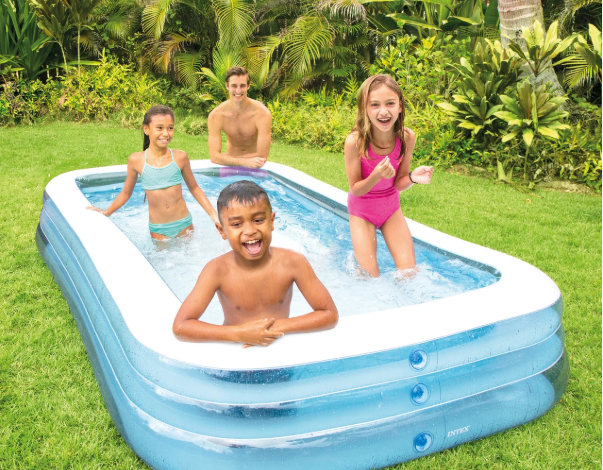
Modern designs include inflatable pools, plastic molded pools, and even customized in-ground mini pools. Each type of swimming pool for kids serves different needs depending on budget, space, and usage frequency.
Importance of Swimming Pool for Kids in Modern Lifestyle
A swimming pool for kids is becoming increasingly important in modern urban and semi-urban homes. With reduced outdoor space and limited physical activity, children often lack opportunities for natural exercise. A backyard pool helps bridge this gap.
Water play is not only entertaining but also therapeutic. A swimming pool for kids encourages active movement, reduces screen time, and supports healthier routines. It also introduces children to basic swimming skills at an early age, which can be life-saving in the future.
Moreover, such pools promote family bonding. Parents and children can spend quality time together in a safe and enjoyable environment. This shared experience strengthens relationships and creates long-lasting memories.
Key Benefits of Swimming Pool for Kids
A swimming pool for kids offers multiple benefits that go beyond entertainment. It plays a significant role in physical, mental, and emotional development.
Physical Development Benefits
Swimming is one of the best full-body exercises. A swimming pool for kids helps improve muscle strength, flexibility, and endurance. It also enhances cardiovascular health and supports better posture and balance.
Regular water activity encourages healthy growth patterns and improves motor skills in younger children. Even simple movements like floating, kicking, and splashing contribute to physical development.
Mental and Emotional Benefits
A swimming pool for kids also supports mental wellness. Water has a calming effect that reduces stress and anxiety. Children often feel happier and more relaxed while playing in water.
It also builds confidence. As children learn to float and swim, they overcome fear and develop a sense of achievement. This emotional growth is important for overall personality development.
Social and Cognitive Benefits
When children play together in a swimming pool for kids, they learn teamwork, communication, and sharing. Group water activities improve social interaction skills.
It also enhances cognitive abilities as children learn coordination, timing, and basic problem-solving through water-based games.
Essential Safety Guidelines for Swimming Pool for Kids
Safety is the most critical aspect of any swimming pool for kids. Without proper precautions, even shallow water can become dangerous.
Constant Supervision
Adult supervision is non-negotiable. A responsible adult should always be present whenever children are in or near the pool.
Depth and Design Safety
A swimming pool for kids should have a shallow and uniform depth suitable for the child’s age group. Sudden deep areas should be avoided completely.
Non-Slip Surfaces
The surrounding area must have anti-slip flooring to prevent accidents caused by wet surfaces.
Safety Barriers and Fencing
Installing fences around the pool ensures children cannot access it without supervision. Lockable gates add an extra layer of protection.
Emergency Preparedness
Every swimming pool for kids should have floatation devices, life rings, and a basic first aid kit nearby.
Design Ideas for Swimming Pool for Kids
Design plays a major role in making a swimming pool for kids both engaging and safe. A well-thought-out design increases enjoyment while maintaining safety standards.
Colorful and Themed Designs
Bright colors and themes such as underwater worlds, cartoon characters, or jungle environments make the pool more attractive for children.
Splash Features and Water Toys
Adding small fountains, slides, and sprinklers transforms a swimming pool for kids into an interactive play zone.
Shallow Play Zones
Separate shallow sections allow younger children to safely enjoy water without risk.
Evening Lighting Effects
Soft LED lighting can enhance visibility and create a fun atmosphere during evening use.
Types of Swimming Pool for Kids
Different types of pools serve different purposes depending on space, budget, and usage frequency.
Inflatable Pools
These are the most affordable and easy-to-install options. A swimming pool for kids in inflatable form is ideal for temporary or seasonal use.
Plastic Molded Pools
These are more durable and slightly larger. They are suitable for regular backyard use and are easy to maintain.
Built-In Pools
A permanent swimming pool for kids constructed in the ground offers long-term value, customization, and durability.
Indoor Pools
Indoor versions allow year-round usage regardless of weather conditions and are often used in premium homes or facilities.
Maintenance Tips for Swimming Pool for Kids
Proper maintenance ensures hygiene and extends the life of a swimming pool for kids.
Regular Cleaning
Leaves, dust, and debris should be removed daily to maintain cleanliness.
Water Treatment
Maintaining proper water balance using safe disinfectants prevents bacterial growth.
Filter Maintenance
Filters should be cleaned and checked regularly to ensure smooth water circulation.
Covering the Pool
When not in use, covering a swimming pool for kids helps prevent contamination and reduces maintenance effort.
Safety Rules Every Child Should Learn
Teaching children basic rules is essential for safe pool use.
- No running near the pool
- No pushing or rough play
- Always follow supervision instructions
- No swimming without permission
- Use floatation devices when needed
These rules help children enjoy a swimming pool for kids safely while building responsible habits.
Cost Factors and Budget Planning

The cost of a swimming pool for kids varies depending on design and materials.
Inflatable pools are the most budget-friendly option, making them accessible for most families. Plastic molded pools fall in the mid-range category, offering durability without high cost. Built-in pools require a larger investment but provide long-term value and customization.
Additional costs may include maintenance, water treatment, safety equipment, and accessories like slides or toys.
Common Mistakes to Avoid
Many parents make avoidable mistakes when setting up a swimming pool for kids:
- Ignoring safety fencing
- Choosing improper depth
- Poor water maintenance
- Lack of supervision
- Overcrowding the pool area
Avoiding these mistakes ensures a safer and more enjoyable experience for children.
Educational and Developmental Importance
A swimming pool for kids is also a powerful learning tool. It teaches discipline, coordination, and survival skills. Early exposure to swimming reduces fear of water and prepares children for emergencies.
Swimming lessons also improve focus, patience, and confidence. These skills positively impact academic and personal development.
Environmental and Modern Innovations
Modern designs of swimming pool for kids are becoming more eco-friendly.
Water recycling systems reduce wastage, while energy-efficient pumps lower electricity consumption. Solar heating systems are also being used in some setups. Additionally, non-toxic cleaning solutions help maintain safe water quality without harming the environment.
These innovations make pools more sustainable and cost-effective in the long run.
Seasonal Care and Long-Term Usage
A swimming pool for kids requires seasonal care depending on climate conditions. In colder months, pools should be covered or drained if not in use. In hot climates, regular water treatment becomes essential to prevent algae growth.
Long-term maintenance ensures durability and consistent safety standards. Regular inspection of pool structure, accessories, and safety equipment is also important.
Conclusion
A swimming pool for kids is more than just a recreational feature—it is an investment in a child’s growth, health, and happiness. When designed thoughtfully and maintained properly, it becomes a safe space for learning, playing, and bonding.
From physical fitness to emotional development, the benefits are wide-ranging. However, safety must always remain the top priority. With proper supervision, maintenance, and responsible usage, a swimming pool for kids can provide years of joy and development opportunities.
By choosing the right design, following safety guidelines, and maintaining hygiene, families can ensure that a swimming pool for kids becomes a valuable and safe part of everyday life.