Introduction
Soundproofing a room is an essential step for anyone looking to reduce noise, improve privacy, or create a controlled environment for work, recording, or relaxation. Learning how to soundproof a room involves understanding the sources of noise, the types of sound, and the materials and techniques available for effective noise reduction. In this guide, we will explore practical strategies, tips, and considerations to help you create a quieter, more peaceful space.
Understanding Sound and Noise
Before diving into how to soundproof a room, it is important to understand sound itself. Sound travels in waves, and noise can come from both inside and outside the room. The two main types of sound to consider are airborne noise and impact noise. Airborne noise includes sounds like voices, music, and traffic, while impact noise consists of vibrations from footsteps, slamming doors, or moving furniture.
Identifying the type of noise affecting your space is crucial, as it will determine the best method to soundproof your room. Materials and methods for blocking airborne noise may differ from those used for impact noise.
Choosing the Right Materials
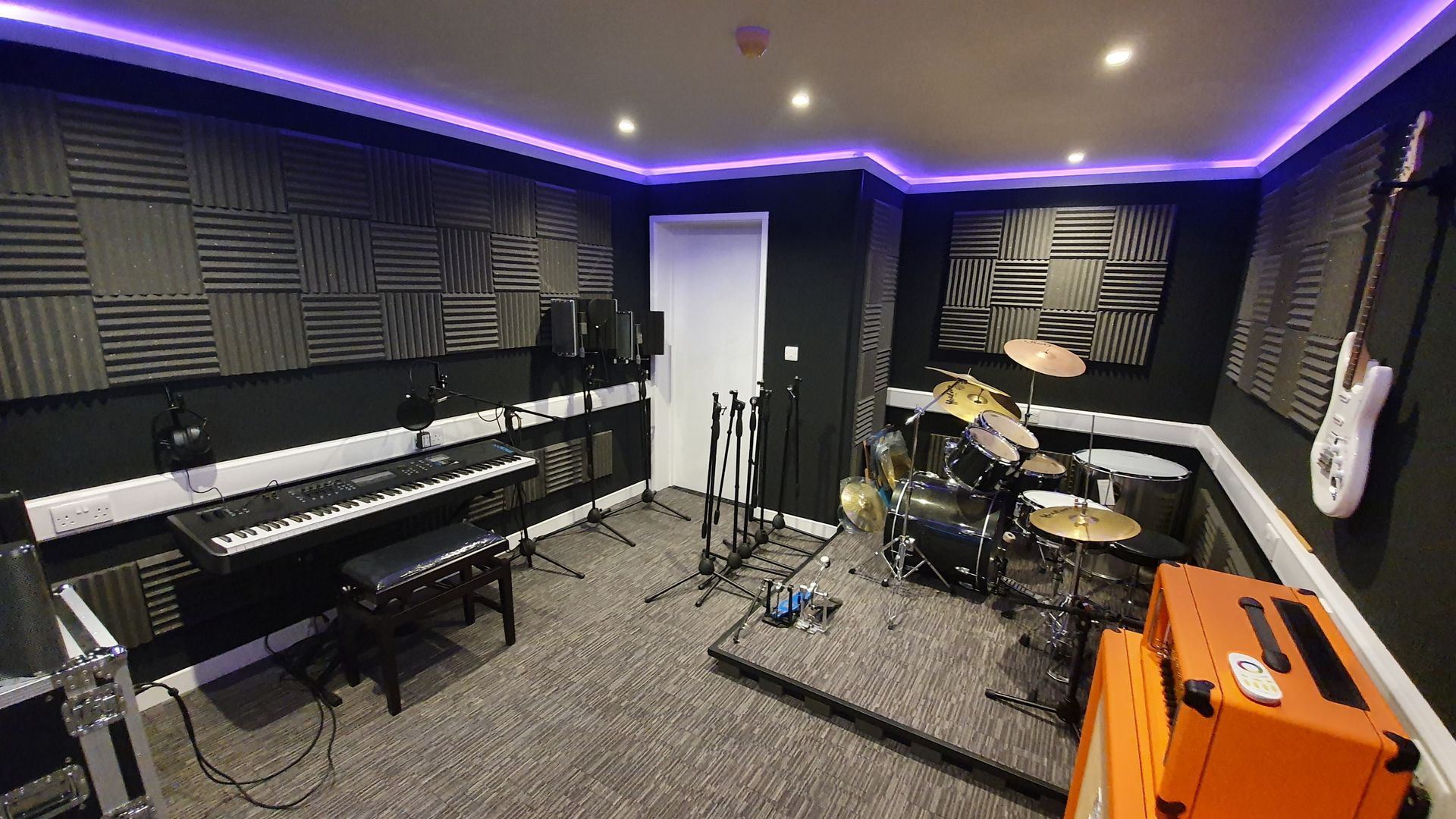
One of the first steps in learning how to soundproof a room is selecting appropriate materials. Certain materials are naturally better at absorbing or blocking sound. Common options include acoustic foam, mass-loaded vinyl, soundproof curtains, and insulation panels. The choice of material will depend on the type of noise, the room’s function, and your budget.
| Material | Best Use | Effectiveness | Approximate Cost |
|---|---|---|---|
| Acoustic Foam Panels | Studios, home offices | High absorption of mid to high frequencies | $20–$50 per panel |
| Mass-Loaded Vinyl (MLV) | Walls, floors, ceilings | Excellent at blocking sound transmission | $2–$5 per sq ft |
| Soundproof Curtains | Windows, doors | Moderate reduction of noise | $30–$100 per panel |
| Fiberglass Insulation | Walls, ceilings | Good for reducing airborne noise | $0.50–$2 per sq ft |
Sealing Gaps and Cracks
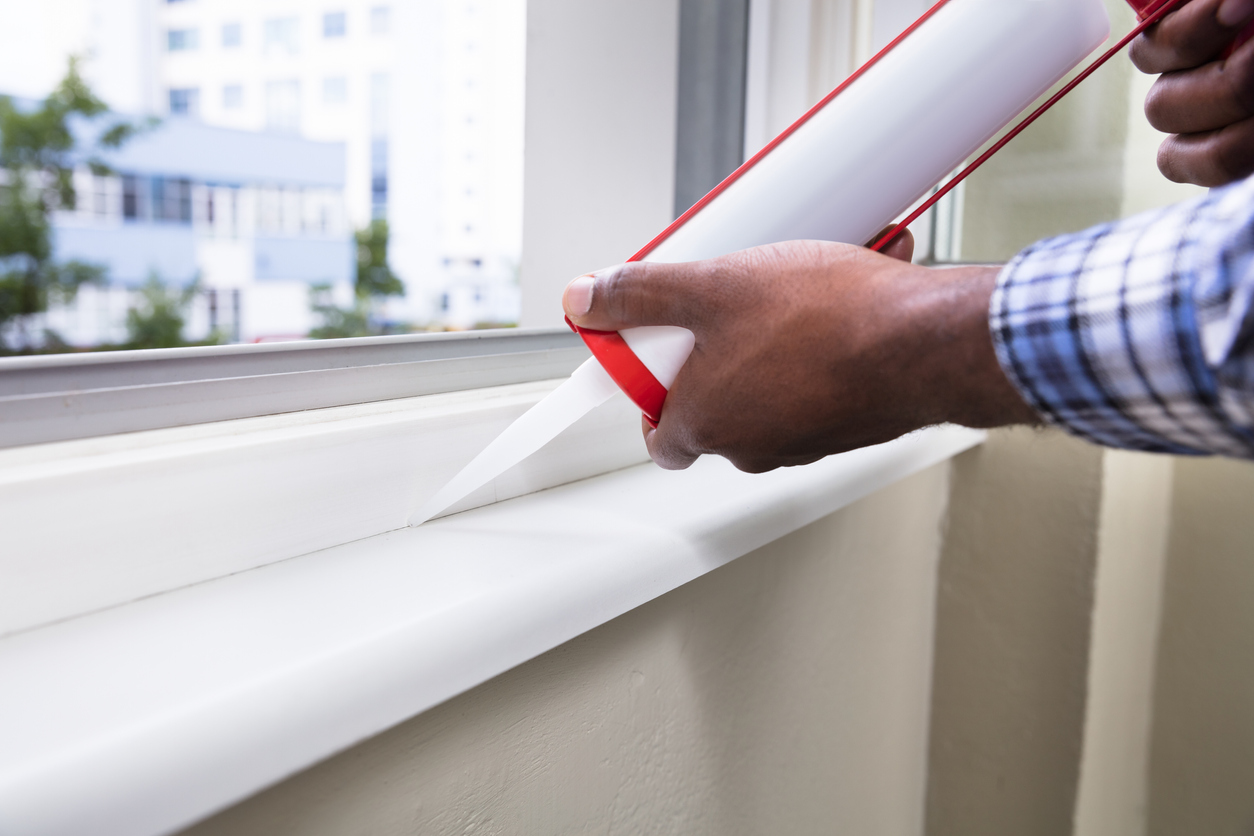
A key aspect of learning how to soundproof a room is addressing air leaks. Even small gaps around windows, doors, and baseboards can allow significant noise to enter. Use weather stripping, door sweeps, or acoustic caulk to seal these gaps effectively. Sealing gaps prevents sound from leaking through small openings and enhances the performance of other soundproofing methods.
Soundproofing Walls
Walls are one of the main conduits for sound. To reduce noise transmission, consider techniques such as adding mass, decoupling, or damping. Adding an extra layer of drywall with a damping compound like Green Glue can significantly reduce sound. Another option is building a staggered stud or double wall, which isolates vibrations and prevents sound from traveling directly through the wall.
| Wall Soundproofing Method | Description | Effectiveness | Cost Estimate |
|---|---|---|---|
| Double Drywall with Green Glue | Adds mass and dampens vibrations | Very high | $1.50–$3 per sq ft |
| Resilient Channels | Decouple drywall from studs | High | $0.50–$1 per sq ft |
| Soundproof Panels | Covers existing walls | Moderate | $20–$60 per panel |
Soundproofing Floors and Ceilings
Noise can travel through floors and ceilings, especially impact noises like footsteps or dropped objects. Carpeting and thick rugs can help reduce noise, but for more intensive soundproofing, consider using underlayment, cork, or acoustic mats. For ceilings, adding a suspended ceiling with acoustic tiles or additional drywall can help block sound from upper floors.
Soundproofing Doors and Windows
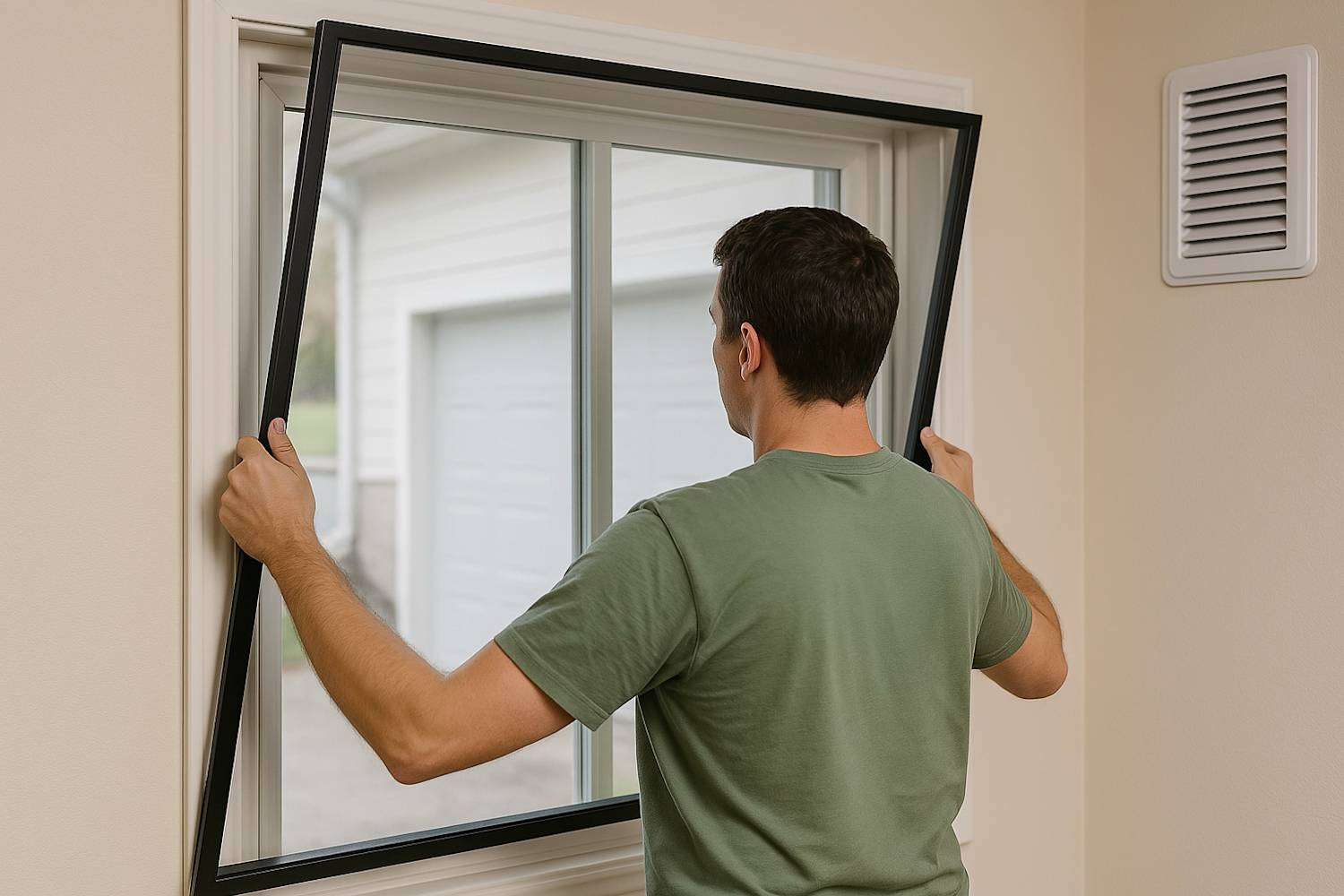
Doors and windows are often the weakest points in a room when it comes to soundproofing. Hollow-core doors transmit a lot of sound, so replacing them with solid-core doors can make a big difference. Similarly, windows can be treated with double glazing, laminated glass, or heavy curtains. Installing window plugs or acoustic panels directly over the window can further reduce noise.
Soundproofing Specific Room Types
Different rooms may require specific soundproofing strategies. For example, a home theater or music studio benefits from a combination of wall insulation, acoustic panels, and bass traps. Bedrooms may focus more on window treatments, rugs, and sealing gaps. Home offices benefit from a combination of wall treatments and door/window isolation. Understanding the function of the room is crucial when learning how to soundproof a room effectively.
DIY vs. Professional Soundproofing
Soundproofing can be done as a DIY project, but some methods may require professional installation. DIY options include acoustic panels, weather stripping, rugs, and curtains. Professional options, such as double walls, floor underlayment, or ceiling modifications, are more expensive but provide a higher level of sound isolation. The choice between DIY and professional methods depends on your budget, noise problem, and desired outcome.
Tips for Maximum Effectiveness
To achieve the best results when trying to soundproof a room, it’s important to combine multiple strategies. A single method may reduce noise slightly, but combining wall treatments, sealing gaps, and isolating doors and windows can create a substantial reduction in sound. Consider layering materials and focusing on the most significant sources of noise.
Additional tips include:
-
Avoid leaving gaps under doors or around windows.
-
Use heavy furniture against shared walls to help absorb sound.
-
Keep interior doors closed to prevent sound from traveling.
-
Consider white noise machines for masking unavoidable external noise.
Common Mistakes to Avoid

When learning how to soundproof a room, people often make mistakes that reduce effectiveness. Common mistakes include relying solely on curtains, using thin materials that do not block sound, and ignoring ceiling or floor transmission. Proper planning, material selection, and attention to detail are crucial for successful soundproofing.
Cost Considerations
The cost of soundproofing a room varies widely based on the size of the room, materials, and methods used. DIY solutions can range from $200 to $1,000, while professional installations may cost $2,000 to $10,000 or more for significant renovations. Budgeting carefully and prioritizing the most impactful methods ensures effective soundproofing without overspending.
| Soundproofing Method | DIY Cost Estimate | Professional Cost Estimate |
|---|---|---|
| Acoustic Panels | $200–$500 | $500–$1,000 |
| Wall Mass Addition | $500–$1,500 | $1,500–$5,000 |
| Door Replacement | $100–$400 | $300–$800 |
| Window Treatment | $50–$300 | $200–$1,000 |
Conclusion
Learning how to soundproof a room requires a combination of knowledge, planning, and the right materials. By understanding the sources of noise, sealing gaps, choosing effective materials, and implementing appropriate wall, floor, and window solutions, you can create a quieter, more peaceful space. Whether for a home office, bedroom, or music studio, effective soundproofing enhances comfort, privacy, and productivity.
With careful attention and layered strategies, you can successfully transform any noisy environment into a calm, controlled space tailored to your needs.
Read More:- Home Decorating Ideas for Stylish and Comfortable Living Spaces