How to Assemble Furniture Easily: Step-by-Step Home Guide TipsDIY

Introduction
Learning how to assemble furniture is an essential skill for anyone who buys flat-pack or DIY home furniture. Most modern furniture comes in boxes with separate parts, screws, and instruction manuals, which can feel confusing at first. However, with the right approach, tools, and patience, anyone can build strong and durable furniture at home without professional help.
Many beginners struggle when they first try how to assemble furniture, but the process becomes simple once you understand the steps. Whether it is a table, chair, bed frame, or wardrobe, the basic assembly principles remain the same. You only need to follow instructions carefully, organize your parts, and avoid rushing.
This guide will help you master how to assemble furniture in a structured and beginner-friendly way. By the end, you will be confident enough to assemble most home furniture items on your own while avoiding common mistakes.
Understanding Furniture Assembly Basics

Before starting how to assemble furniture, it is important to understand the basics. Furniture assembly usually involves connecting wooden or metal parts using screws, bolts, dowels, and connectors. Every item comes with a manual that shows diagrams and step-by-step instructions.
The key to success in how to assemble furniture is preparation. Always check all parts before starting. Missing screws or damaged panels can slow down your work. Lay everything on a clean surface and group similar items together.
Another important factor is reading instructions carefully. Many people skip this step, but it is crucial in how to assemble furniture correctly. Even a small mistake can affect stability and durability.
When you understand the structure and purpose of each component, the process becomes much easier and more enjoyable.
Essential Tools You Need
Having the right tools makes how to assemble furniture much easier and faster. Most furniture kits include basic tools, but using your own can improve accuracy and comfort.
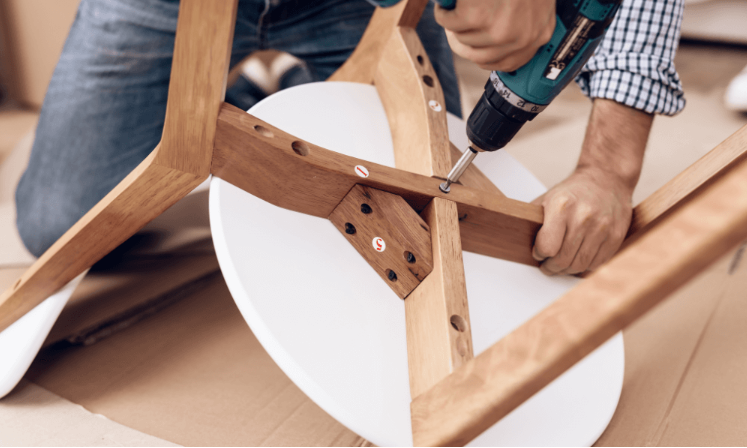
Common tools include screwdrivers, Allen keys, a hammer, measuring tape, and a power drill (optional). These tools help you tighten screws properly and ensure stability.
In how to assemble furniture, precision is very important. A loose screw or uneven joint can weaken the entire structure. That is why using proper tools matters.
You should also keep a small container for screws and small parts. This prevents losing pieces during how to assemble furniture and keeps your workspace organized.
Good lighting and a clean flat surface are also essential. They help you see details clearly and reduce errors while assembling.
Step-by-Step Process of Furniture Assembly
The process of how to assemble furniture becomes easy when broken into steps. First, unpack everything carefully and check parts against the manual. Then, group similar components like panels, screws, and fittings.
Next, start with the base structure. In most cases, furniture frames are built first before adding shelves, doors, or extras. This is a key step in how to assemble furniture because the base determines stability.
After the base, connect side panels and support structures. Tighten screws gradually instead of fully tightening them at once. This allows adjustments if needed.
Finally, add finishing parts such as handles, covers, or decorative elements. Always double-check stability at the end of how to assemble furniture to ensure safety and strength.
Common Mistakes to Avoid
Many beginners make mistakes when learning how to assemble furniture, which can lead to weak or unstable results. One common mistake is ignoring the instruction manual. This often causes incorrect assembly order.
Another mistake is overtightening screws. In how to assemble furniture, overtightening can damage wood or strip screws, reducing durability.
Some people also skip checking parts before starting. Missing components can interrupt the entire process of how to assemble furniture.
Rushing is another big issue. Furniture assembly requires patience and attention to detail. Taking your time ensures better accuracy and long-lasting results.
Avoiding these mistakes will help you complete how to assemble furniture smoothly and efficiently.
Safety Tips During Assembly
Safety is an important part of how to assemble furniture. Always wear gloves if sharp edges or metal parts are involved. This prevents injuries during handling.
Keep your workspace clean to avoid tripping over tools or parts. A clutter-free area makes how to assemble furniture more organized and safe.
If using power tools, handle them carefully and follow instructions. Incorrect usage can damage furniture or cause accidents.
Also, avoid forcing parts together. If something does not fit, recheck the instructions instead of applying pressure. This is a key safety rule in how to assemble furniture.
Taking proper safety measures ensures a smooth and risk-free experience.
Time Management and Planning
Good planning makes how to assemble furniture faster and easier. Before starting, estimate the time required based on furniture size and complexity.
Small items like chairs may take 30–60 minutes, while wardrobes or beds may take several hours. Understanding this helps in better preparation for how to assemble furniture.
Organize your tools and parts before starting to avoid interruptions. A well-planned approach reduces stress and improves efficiency.
If possible, assemble furniture during daylight for better visibility. This improves accuracy in how to assemble furniture and reduces mistakes.
Troubleshooting Problems

Sometimes problems arise during how to assemble furniture, such as missing parts or unclear instructions. In such cases, pause and review everything carefully.
If a screw does not fit, check if you are using the correct type. Mixing parts is a common issue in how to assemble furniture.
If the structure feels unstable, recheck joints and tighten them properly. Do not ignore small gaps or loose fittings.
Contacting customer support is also an option if parts are missing. Most brands provide replacements to help with how to assemble furniture issues.
Staying calm and patient helps solve most problems efficiently.
Tips for Better Furniture Assembly Results
To improve your experience with how to assemble furniture, always start with simple items before moving to complex ones. This builds confidence and skill.
Work in a team if possible. Having another person helps hold parts and speeds up how to assemble furniture.
Label parts if needed, especially for large furniture sets. This reduces confusion during assembly.
Regularly check alignment to ensure everything is straight and balanced. This improves the final result of how to assemble furniture.
With practice, your speed and accuracy will naturally improve.
Maintenance After Assembly
After completing how to assemble furniture, maintenance is important for long-term durability. Regularly check screws and tighten them if needed.
Avoid placing heavy loads beyond the recommended limit. This helps maintain stability after how to assemble furniture is completed.
Clean furniture regularly using appropriate cleaning materials. Dust and moisture can affect its strength over time.
Proper maintenance ensures your effort in how to assemble furniture lasts for years.
Conclusion
Learning how to assemble furniture is a valuable skill that saves money and improves your DIY confidence. With the right tools, patience, and proper steps, anyone can build strong and stable furniture at home.
From preparation to final adjustments, every stage of how to assemble furniture plays an important role in achieving good results. Avoiding mistakes, following instructions, and staying organized are the keys to success.
Once you practice how to assemble furniture a few times, the process becomes faster and easier. It not only helps in home setup but also builds practical problem-solving skills for life.