Marble flooring has long been associated with luxury, elegance, and timeless beauty. Whether you’re building a new home or renovating an existing one, marble remains one of the most desirable flooring materials available. Its natural patterns, smooth texture, and sophisticated appearance instantly enhance the beauty of any room. Available in a variety of colors, finishes, and designs, marble complements both modern and traditional interiors. Beyond aesthetics, marble is also known for its durability and ability to last for decades when properly maintained. Although it requires regular care, the investment is often worthwhile because of its long lifespan and premium appeal. From living rooms and bedrooms to hallways and bathrooms, marble creates a bright, spacious atmosphere that never goes out of style. This guide explores everything you need to know about marble flooring, including its types, benefits, installation, maintenance, costs, and design ideas to help you make the right flooring choice.
Why Choose Marble Flooring?
Choosing the right flooring material is one of the most important decisions in home design, and marble stands out for several compelling reasons. Unlike manufactured flooring, marble is a natural stone formed over millions of years, making every slab unique. No two marble pieces have identical veining, ensuring your home has a one-of-a-kind appearance.

Marble naturally reflects light, making rooms feel larger, brighter, and more luxurious. It also stays relatively cool, making it an excellent option in warmer climates. In addition, marble increases property value because it is considered a premium flooring material by homeowners and buyers alike. While the initial cost may be higher than ceramic or vinyl flooring, its durability and timeless style provide long-term value. When installed and maintained correctly, marble flooring can remain beautiful for decades, making it an investment rather than just a decorative feature.
Types of Marble Flooring
There are many varieties of marble, each offering unique colors, patterns, and characteristics. Understanding these options helps you choose the best one for your space.
1. White Marble
White marble creates a clean and luxurious appearance. It is commonly used in modern homes because it reflects light beautifully and gives interiors an open feel.
2. Italian Marble
Italian marble is renowned for its premium quality, elegant veining, and sophisticated appearance. It is commonly used in luxury homes and commercial spaces.
3. Indian Marble
Indian marble is durable, affordable, and available in numerous colors. It is an excellent option for homeowners seeking quality at a lower price.
4. Black Marble
Black marble adds boldness and sophistication to interiors. It pairs exceptionally well with metallic finishes and minimalist décor.
5. Green Marble
Green marble introduces a natural, earthy look. It is frequently used as an accent flooring option in living rooms, entrances, and feature spaces.
Benefits of Marble Flooring
One of the main reasons homeowners choose marble flooring is the impressive combination of beauty and functionality it offers. Some of its major advantages include:
- Timeless and luxurious appearance
- Naturally unique patterns and textures
- Long-lasting durability
- Increases property value
- Cool surface ideal for warm climates
- Easy to clean with proper maintenance
- Suitable for both residential and commercial spaces
- Available in various colors and finishes
- Complements almost every interior design style
These advantages make marble one of the most prestigious flooring materials available today.
Marble Flooring Finishes
The finish applied to marble significantly influences its appearance and performance. Different finishes suit different rooms and lifestyles.
| Finish Type | Appearance | Best For | Maintenance Level |
|---|---|---|---|
| Polished | Glossy and reflective | Living rooms, halls | Moderate |
| Honed | Smooth with matte finish | Bedrooms | Low |
| Brushed | Textured appearance | Rustic interiors | Low |
| Tumbled | Natural aged look | Outdoor areas | Medium |
| Leather Finish | Soft textured surface | Modern interiors | Medium |
Selecting the right finish depends on your design preferences, traffic levels, and maintenance expectations.
Best Places to Install Marble Flooring
Marble is versatile enough to enhance nearly every part of a home. Living rooms become brighter and more elegant with polished marble, while bedrooms benefit from softer honed finishes that create a calm atmosphere. Hallways and entrance foyers make an impressive first impression when finished with premium marble designs. Dining rooms gain a sophisticated appearance that complements both contemporary and classic furniture styles. Bathrooms also benefit from marble’s luxurious feel, though anti-slip finishes are recommended for safety. Kitchens can feature marble flooring as well, provided spills are cleaned promptly to prevent staining. Staircases made from marble create a grand architectural statement and blend seamlessly with matching flooring throughout the home. Choosing the appropriate finish and color ensures each space maintains both beauty and practicality.
Installation Process of Marble Flooring
Professional installation is essential for achieving flawless results. The process begins with preparing the subfloor to ensure it is level, clean, and stable. Next, installers carefully arrange marble slabs to create a balanced pattern and consistent veining throughout the room. High-quality adhesives secure the marble tiles in place while maintaining uniform spacing. Once installed, grout fills the joints, and the surface is thoroughly cleaned. Polishing follows to enhance the stone’s natural shine and smoothness. Finally, a protective sealant is applied to minimize moisture absorption and reduce the risk of stains. Proper installation not only improves appearance but also extends the life of the flooring. Hiring experienced professionals ensures accurate alignment, minimal wastage, and a high-quality finish that remains attractive for years.
Maintenance Tips for Marble Flooring
Proper maintenance is the key to preserving the beauty of marble flooring. Although marble is durable, it is more porous than many other flooring materials and requires regular care.
Daily Cleaning
Use a soft microfiber mop or cloth to remove dust and debris. Gentle cleaning prevents scratches caused by dirt particles.
Use Mild Cleaners
Avoid acidic cleaners such as vinegar or lemon-based products because they may damage the marble surface. Instead, use pH-neutral cleaning solutions.
Seal the Surface
Regular sealing protects marble against moisture, stains, and everyday wear. Most experts recommend resealing every one to three years depending on usage.
Protect Against Scratches
Place rugs at entrances and use furniture pads under heavy furniture to minimize scratches and surface damage.
Clean Spills Immediately
Liquids such as coffee, juice, and oil should be wiped away promptly to prevent permanent stains.
Following these maintenance practices helps marble retain its luxurious appearance for many years.
Cost Factors of Marble Flooring
The overall cost of marble flooring depends on several important factors. The type of marble significantly influences pricing, with imported varieties generally costing more than locally sourced options. Slab thickness, tile size, finish quality, and rarity also affect expenses. Installation charges vary depending on room complexity, pattern requirements, and labor rates. Additional costs may include polishing, sealing, transportation, and waste during cutting.
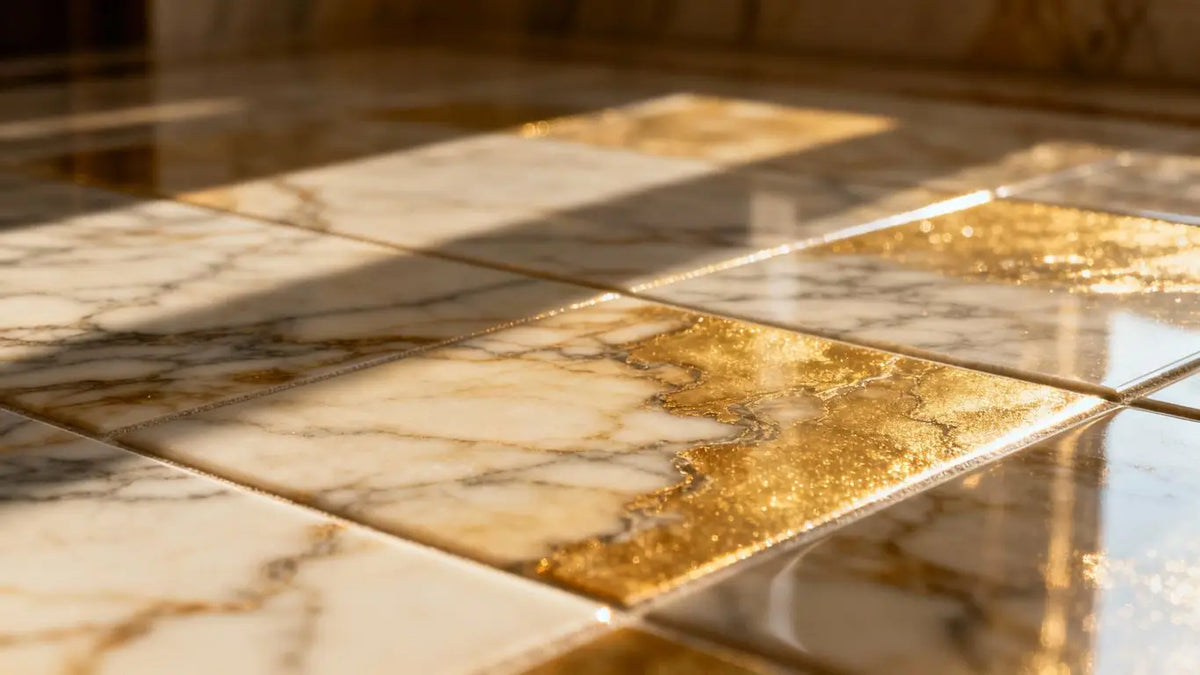
Larger spaces often benefit from lower installation costs per square foot, while intricate layouts require more labor. Homeowners should also consider long-term maintenance expenses such as periodic sealing and professional polishing. Although marble has a higher initial investment than many flooring materials, its longevity, elegance, and ability to increase property value make it a worthwhile choice for those seeking premium interiors.
Popular Marble Flooring Design Ideas
Modern interior design offers countless creative ways to use marble throughout a home. Large-format marble tiles create seamless, spacious interiors with fewer grout lines. Book-matched marble slabs produce dramatic feature floors where natural veining mirrors itself beautifully. White marble paired with dark furniture creates striking visual contrast, while beige marble complements warm wooden interiors. Geometric layouts add contemporary appeal, whereas checkerboard designs bring timeless elegance. Mixing polished marble with matte finishes creates subtle texture variations that enhance visual interest. Decorative borders and inlays allow homeowners to personalize their flooring without overwhelming the overall design. Open-concept homes especially benefit from consistent marble flooring across multiple rooms, creating a unified and luxurious appearance that feels expansive and sophisticated.
Common Mistakes to Avoid
Many homeowners unintentionally reduce the lifespan of their marble floors by making avoidable mistakes.
- Using acidic cleaning products
- Ignoring periodic sealing
- Dragging heavy furniture across the floor
- Allowing spills to remain for extended periods
- Choosing glossy finishes in slippery areas
- Hiring inexperienced installers
- Skipping regular maintenance
Avoiding these mistakes ensures your marble remains beautiful and durable for many years.
How Marble Flooring Compares to Other Flooring Materials
Marble offers unmatched elegance compared to many alternative flooring options. Ceramic tiles are more affordable and require less maintenance, but they lack marble’s natural beauty and unique veining. Granite provides exceptional durability and scratch resistance, though its appearance is generally less refined. Vinyl flooring is economical and water-resistant but cannot replicate the premium feel of natural stone. Wooden flooring adds warmth and comfort but is more susceptible to moisture and termite damage. Marble combines luxury, durability, and timeless appeal in a way few other materials can match. While it demands slightly more maintenance, many homeowners consider the visual impact well worth the effort. Choosing the right flooring ultimately depends on budget, lifestyle, and design preferences, but marble consistently remains one of the most prestigious options available.
Conclusion
Marble flooring remains one of the finest choices for homeowners seeking elegance, durability, and long-lasting value. Its natural beauty, distinctive patterns, and timeless appeal make it suitable for virtually every room in the home. Although it requires proper installation, routine sealing, and careful maintenance, the rewards are substantial. Marble enhances interior aesthetics, improves property value, and creates a luxurious atmosphere that never goes out of style. With numerous colors, finishes, and design possibilities available, homeowners can easily find a marble option that complements their personal style and architectural preferences. By understanding the different types, installation methods, maintenance requirements, and cost considerations, you can confidently invest in marble flooring and enjoy a sophisticated, durable surface that remains beautiful for generations.