Hardwood Flooring Guide for Modern Homes


Hardwood flooring has remained one of the most desirable flooring choices for homeowners because of its timeless appearance, durability, and ability to increase property value. While flooring trends continue to evolve, natural wood surfaces continue to stand out due to their warmth and elegant character. From traditional residences to contemporary apartments, wood floors complement nearly every interior style and create a welcoming atmosphere.
In today’s market, consumers are paying closer attention to sustainability, long-term value, and low-maintenance materials. These factors have contributed to the growing popularity of hardwood flooring in residential and commercial spaces. Advances in manufacturing and finishing techniques have also improved resistance to wear, moisture, and scratches, making wood flooring more practical than ever before.
Whether you are renovating an existing home or designing a new one, understanding the different options available can help you make a well-informed decision. Choosing the right flooring involves considering wood species, installation methods, durability, and maintenance requirements.
Why Hardwood Floors Continue to Be Popular
The appeal of natural wood lies in its beauty and longevity. Unlike many flooring materials that may require replacement after several years, wood floors can last for decades when properly maintained. This makes them an attractive investment for homeowners seeking quality and lasting performance.
Another reason for the continued demand for hardwood flooring is its versatility. It works equally well in living rooms, bedrooms, hallways, and even offices. Modern finishing technologies have expanded the range of available colors and textures, allowing homeowners to create rustic, classic, or contemporary interiors according to their preferences.
Beyond aesthetics, wood flooring contributes to improved indoor air quality because it does not trap dust, allergens, or pet dander as carpets often do. This characteristic makes it a preferred option for families with allergy concerns.
Understanding Solid and Engineered Wood Flooring
When exploring flooring options, homeowners generally encounter two primary categories: solid hardwood and engineered hardwood. Both offer beautiful finishes, but they differ in construction and performance.
Solid wood flooring is made from a single piece of timber and can be sanded and refinished multiple times. It is known for exceptional longevity and authentic character. However, it can be sensitive to moisture and humidity changes.
Engineered wood flooring consists of multiple layers with a hardwood veneer on top. This structure enhances dimensional stability and reduces expansion and contraction caused by environmental conditions. Because of these advantages, engineered products have become increasingly popular in modern construction.
Comparison Between Solid and Engineered Wood
| Feature | Solid Hardwood | Engineered Hardwood |
|---|---|---|
| Construction | Single piece of wood | Multiple layered structure |
| Moisture Resistance | Moderate | Higher |
| Refinishing Capability | Multiple times | Limited depending on veneer thickness |
| Installation Options | Nail-down mainly | Floating, glue-down, nail-down |
| Lifespan | Several decades | Long-lasting with proper care |
| Cost | Generally higher | Moderate to premium |
Popular Wood Species Used Today
Different wood species provide distinct appearances and performance characteristics. Selecting the right type depends on lifestyle, budget, and design goals.
Oak remains one of the most popular choices because of its strength and classic grain pattern. White oak, in particular, has gained popularity for modern interiors due to its neutral tones and impressive durability.
Maple offers a smooth appearance and lighter color, making spaces appear brighter and more spacious. Hickory is another excellent option for households with pets and children because of its hardness and resistance to wear.
Walnut appeals to homeowners seeking a luxurious look. Its rich, dark color creates elegant interiors and pairs beautifully with sophisticated furniture and decor.
Current Hardwood Flooring Trends
Interior design trends have shifted significantly in recent years. Homeowners are embracing natural materials and organic textures that bring comfort and authenticity into living spaces.
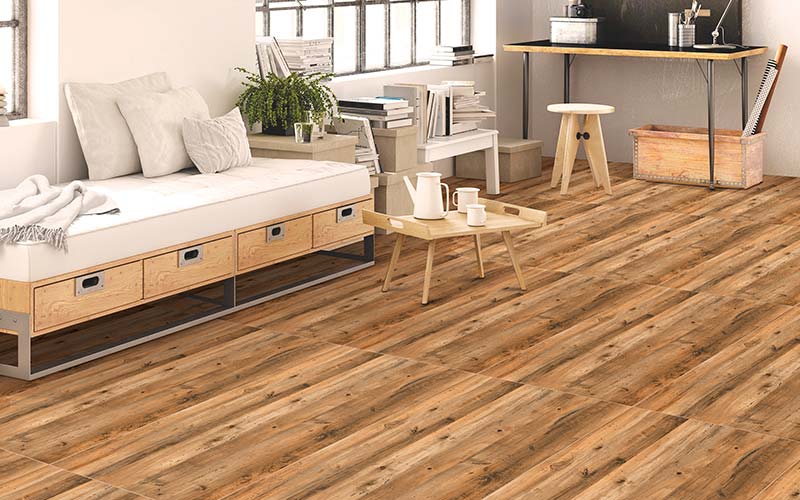
Wide planks are among the biggest trends in 2026. These boards create a spacious appearance and highlight the natural beauty of wood grain. Matte finishes are also becoming more popular because they provide a modern and understated look while concealing minor scratches more effectively.
Gray tones that dominated previous years are gradually giving way to warmer shades. Honey oak, natural brown, and medium-tone finishes are increasingly preferred because they create cozy and inviting environments.
Another important trend involves sustainable sourcing. Consumers are more conscious about environmental impact and seek products manufactured from responsibly managed forests.
Benefits of Installing Hardwood Flooring
Homeowners continue to choose hardwood flooring because it offers numerous practical and aesthetic advantages. Beyond enhancing appearance, wood flooring contributes to long-term property value.
Some of the notable benefits include:
- Timeless and elegant appearance.
- Exceptional durability and longevity.
- Increased home resale value.
- Better indoor air quality.
- Compatibility with various interior styles.
These qualities explain why wood floors remain one of the most sought-after upgrades in residential properties.
Installation Methods and Considerations
Proper installation significantly affects performance and lifespan. Depending on the product type, installation methods may vary. Nail-down systems are common for solid wood floors, while engineered boards can be installed using floating or glue-down techniques.
Before installation begins, it is essential to acclimate the wood to indoor conditions. This process helps minimize expansion and contraction after installation. Professional installers also inspect subfloors to ensure they are level and moisture-free.
Climate conditions should not be overlooked. Areas with significant humidity fluctuations require products that can withstand environmental changes. Engineered flooring often performs better in such conditions.
Factors That Influence Installation Costs
Several elements affect overall project expenses:
- Type and species of wood selected.
- Floor area and room layout.
- Existing floor removal requirements.
- Labor costs and finishing options.
Understanding these variables helps homeowners plan their renovation budgets more accurately.
Hardwood Flooring and Home Value
Real estate professionals consistently recognize wood floors as a desirable feature. Buyers often perceive homes with natural wood flooring as more luxurious and well-maintained. Because of this perception, installing quality wood floors can contribute positively to resale value.
Unlike temporary design trends, wood flooring possesses enduring appeal. Even after decades, refinishing can restore its original beauty, making it a long-term investment rather than a short-term upgrade.
Many homeowners find that the added value and extended lifespan justify the higher upfront costs compared to some alternative flooring materials.

Maintenance and Care Tips
Keeping wood floors beautiful requires regular maintenance, but the process is relatively straightforward. Daily cleaning and preventive measures can preserve the finish for many years.
Dust and dirt should be removed frequently using microfiber mops or soft vacuum attachments. Excess water should always be avoided because prolonged moisture exposure may damage wood surfaces.
Furniture pads can help prevent scratches, while area rugs in high-traffic zones provide additional protection. Immediate cleanup of spills is equally important to maintain the integrity of the finish.
Modern finishes used in hardwood flooring offer improved resistance to stains and wear, reducing the effort needed for routine maintenance.
Hardwood Flooring for Different Rooms
Wood flooring works exceptionally well in various areas of the home. Living rooms benefit from the warmth and sophistication of natural wood, creating a comfortable environment for family gatherings.
Bedrooms become more inviting with wood floors because they provide a clean and elegant foundation for interior design. Hallways and dining areas also benefit from their durability and timeless style.
Traditionally, kitchens and bathrooms were considered unsuitable for wood flooring due to moisture concerns. However, modern engineered products and water-resistant finishes have expanded the possibilities. Careful maintenance and prompt spill cleanup allow homeowners to enjoy wood floors in these spaces as well.
Sustainability and Environmental Responsibility
Environmental awareness plays an increasingly important role in consumer decisions. Responsible forestry practices and certification programs ensure that wood products are sourced sustainably.
Manufacturers are investing in eco-friendly production methods and low-emission finishes to reduce environmental impact. Reclaimed wood flooring has also become popular among homeowners seeking unique character and sustainable solutions.
Because wood is a renewable resource, properly managed forests can support long-term environmental balance while providing high-quality building materials.
Common Mistakes to Avoid
Selecting flooring without considering lifestyle needs can lead to disappointment. Families with pets and active children should prioritize harder species and protective finishes.
Another mistake involves neglecting humidity control. Excessive moisture or extremely dry conditions can affect wood stability over time. Maintaining consistent indoor humidity levels helps preserve the floor’s appearance and structural integrity.
Improper cleaning practices can also shorten the lifespan of wood surfaces. Harsh chemicals and excessive water should always be avoided. Following manufacturer recommendations ensures the best results.
Future Outlook for Hardwood Flooring
Technological innovation continues to shape the flooring industry. Improved finishes, advanced manufacturing processes, and environmentally friendly materials are enhancing both durability and sustainability.
Smart home design trends are also influencing consumer preferences. Natural textures and biophilic design concepts emphasize the connection between indoor spaces and nature, further strengthening the appeal of hardwood flooring.
As homeowners seek products that combine beauty, longevity, and environmental responsibility, wood flooring is expected to remain a leading choice for years to come.

FAQs
Is hardwood flooring suitable for homes with pets?
Yes, hardwood flooring can work well in homes with pets. Choosing harder wood species such as hickory or oak and using durable finishes can help resist scratches and wear. Regular nail trimming and protective rugs can further preserve the floor’s appearance.
How long does hardwood flooring last?
With proper installation and maintenance, wood floors can last several decades. Solid hardwood floors may even exceed 50 years and can be refinished multiple times, extending their lifespan significantly.
Can hardwood flooring be installed over existing floors?
In some situations, engineered wood products can be installed over existing flooring surfaces, provided the subfloor is level and stable. Professional assessment is recommended before beginning installation.
Is hardwood flooring expensive compared to other options?
Initial costs are often higher than laminate or vinyl, but the long lifespan and potential increase in property value make it a cost-effective investment over time.
Does hardwood flooring require a lot of maintenance?
Routine maintenance is relatively simple. Regular sweeping, occasional cleaning with approved products, and prompt attention to spills are usually sufficient to keep the floor in excellent condition.
Which wood species is best for durability?
Hickory, oak, and maple are among the most durable species available. They are particularly suitable for high-traffic areas and households with children or pets.
Conclusion
Hardwood flooring continues to be one of the most valued flooring solutions because it combines beauty, strength, and long-term value. Modern innovations have expanded design choices and improved performance, making wood floors suitable for a wider variety of applications than ever before. From classic oak planks to contemporary engineered products, homeowners have numerous options to match their lifestyles and aesthetic preferences.
As sustainability and durability become increasingly important in today’s housing market, hardwood flooring remains a smart investment that enhances comfort, elegance, and property value. With proper care and thoughtful selection, wood floors can provide decades of beauty and performance while maintaining their timeless appeal.
Read More:- Vinyl Plank Flooring Guide for Stylish and Durable Interiors