Introduction
Wainscoting has long been a hallmark of classic interior design, adding both elegance and functionality to homes. From historical estates to modern apartments, wainscoting provides a way to elevate wall aesthetics while offering protection against wear and tear. This article explores the history, types, installation methods, design ideas, and maintenance of wainscoting to help homeowners make informed decisions. Wainscoting is more than a decorative feature; it is a versatile design element that blends style with practicality.
The History of Wainscoting
Wainscoting originated in 16th-century Europe as a means to insulate homes and protect walls from moisture damage. Initially made from oak panels, wainscoting was primarily functional but gradually became decorative. In colonial America, wainscoting gained popularity as settlers sought to replicate European elegance. Today, wainscoting serves as both a protective and decorative feature, available in a variety of materials and styles. Understanding its history helps homeowners appreciate the craftsmanship and versatility inherent in wainscoting designs.
Types of Wainscoting
There are several types of wainscoting, each with unique characteristics and visual appeal.
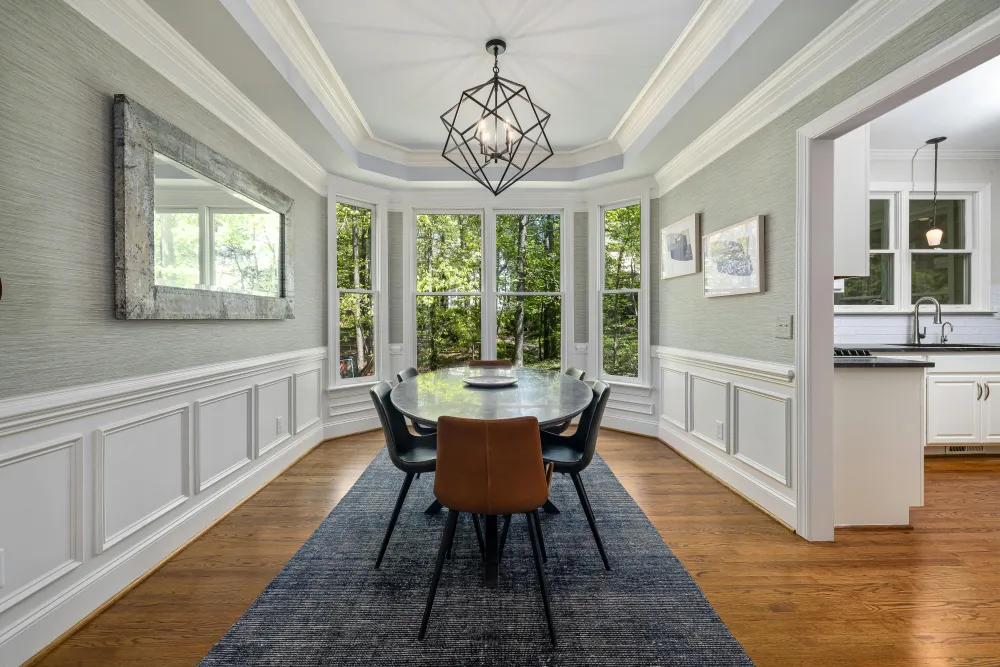
Raised Panel Wainscoting involves panels that project slightly outward, offering a traditional and formal look. This type is commonly used in dining rooms and entryways.
Flat Panel Wainscoting is simpler, with panels set flush against the wall, providing a modern and streamlined appearance. It works well in contemporary homes.
Beadboard Wainscoting features vertical grooves, often used in cottages or coastal interiors. It offers a textured, casual feel while maintaining charm.
Board and Batten Wainscoting involves vertical planks with narrow strips (battens) covering seams. This type creates a rustic or farmhouse look.
Shiplap Wainscoting uses overlapping horizontal boards to create a seamless, clean-lined wall. Shiplap has become popular in modern rustic and industrial designs.
| Wainscoting Type | Best Room Applications | Visual Style |
|---|---|---|
| Raised Panel | Dining Room, Entryway | Traditional, Formal |
| Flat Panel | Living Room, Bedroom | Modern, Streamlined |
| Beadboard | Kitchen, Bathroom | Casual, Textured |
| Board and Batten | Hallways, Living Room | Rustic, Farmhouse |
| Shiplap | Living Room, Bedroom | Modern Rustic, Industrial |
Materials Used in Wainscoting
Wainscoting can be crafted from a variety of materials, each offering distinct advantages. Wood is the traditional choice, providing warmth and natural beauty. Medium-density fiberboard (MDF) is a cost-effective alternative that is easy to paint and resistant to warping. PVC or vinyl wainscoting is moisture-resistant, making it ideal for bathrooms and kitchens. Metal panels, though less common, add a contemporary, industrial touch. The choice of material affects both the aesthetics and durability of wainscoting, so careful consideration is essential before installation.
| Material | Pros | Cons |
|---|---|---|
| Wood | Classic, Durable | Can warp or dent |
| MDF | Affordable, Paintable | Less durable than wood |
| PVC/Vinyl | Water-resistant, Low maintenance | Less natural look |
| Metal | Modern, Durable | Expensive, Heavy |
Design Ideas with Wainscoting
Wainscoting offers endless design possibilities to enhance interior spaces. Using contrasting colors for panels and walls can create a striking visual effect. Mixing textures, such as beadboard with smooth walls, adds depth and interest. Incorporating wainscoting into staircases or hallways can make narrow spaces appear taller and more elegant. For a contemporary twist, wainscoting can be painted in bold colors or paired with wallpaper to create unique accent walls. Proper lighting can further highlight wainscoting details, emphasizing its craftsmanship and texture.
Installing Wainscoting
Installing wainscoting requires precision and planning. First, measure wall height and length to determine panel size and layout. Panels are generally installed to cover the lower third of a wall, but custom heights are also possible. Start with a baseboard at the floor, then attach panels, and finish with a chair rail or molding at the top. Tools needed include a saw, level, measuring tape, adhesive, and finishing nails. For homeowners seeking a DIY project, MDF or beadboard wainscoting is easier to handle, whereas raised panel wainscoting may require professional installation.
Wainscoting in Different Rooms
Different rooms benefit from specific types of wainscoting. In dining rooms, raised panels lend a sense of sophistication. Kitchens often feature beadboard for a cozy, inviting feel, while bathrooms may use PVC wainscoting for water resistance. Living rooms can combine wainscoting with decorative molding or wallpaper to create an elegant focal point. Hallways and staircases benefit from board and batten designs, adding vertical lines that enhance spatial perception. Selecting the right style and material for each room ensures that wainscoting remains both functional and visually appealing.
Color Schemes and Finishes
The color and finish of wainscoting can dramatically affect a room’s ambiance. Classic white wainscoting complements almost any décor and brightens spaces. Darker tones, such as navy or charcoal, create a rich, sophisticated look, particularly in formal areas. Painted wainscoting allows for easy color changes, while stained wood highlights natural grain patterns for a timeless appeal. Glossy finishes reflect light and add elegance, while matte finishes create subtle sophistication. Balancing wall color with wainscoting ensures harmony and visual interest throughout the space.
Maintenance and Longevity
Wainscoting is durable and can last decades if maintained properly. Dusting and occasional washing with mild soap help preserve its appearance. Wood panels may require periodic refinishing or touch-up painting, while PVC and vinyl options are virtually maintenance-free. Inspecting for loose panels or damaged molding ensures structural integrity and prevents long-term damage. Proper installation, coupled with regular upkeep, ensures that wainscoting remains a beautiful, functional feature in any home for years to come.
Wainscoting Cost Considerations
The cost of wainscoting varies based on material, style, room size, and installation method. Wood and raised panel designs are typically more expensive due to material and labor costs. MDF and beadboard provide a more budget-friendly option. DIY installation can significantly reduce costs, while professional installation ensures precision and durability. Budget planning should include materials, labor, and finishing supplies such as paint or stain. Understanding cost implications allows homeowners to select wainscoting that fits both style preferences and financial constraints.
Combining Wainscoting with Modern Trends
Wainscoting is no longer limited to traditional homes; modern design trends have adapted this classic element. Open-concept living areas can incorporate partial-height wainscoting to define spaces without obstructing flow. Minimalist designs favor flat panels in neutral tones, while eclectic interiors may use bold colors and textures. Wainscoting can also serve as a backdrop for gallery walls or built-in shelving, combining functionality with aesthetics. By blending classic craftsmanship with contemporary styling, wainscoting remains relevant in modern interior design.
Conclusion
Wainscoting is a versatile and elegant design element that enhances the beauty and functionality of interior walls. From its historical origins to modern adaptations, wainscoting provides protection, visual interest, and a touch of sophistication to any space. By understanding the different types, materials, installation methods, and design possibilities, homeowners can make informed decisions that complement their décor. Whether traditional or contemporary, wainscoting continues to be a timeless choice for enhancing interiors while reflecting personal style.
Read More:- Wainscotting Design Guide for Elegant and Timeless Interiors